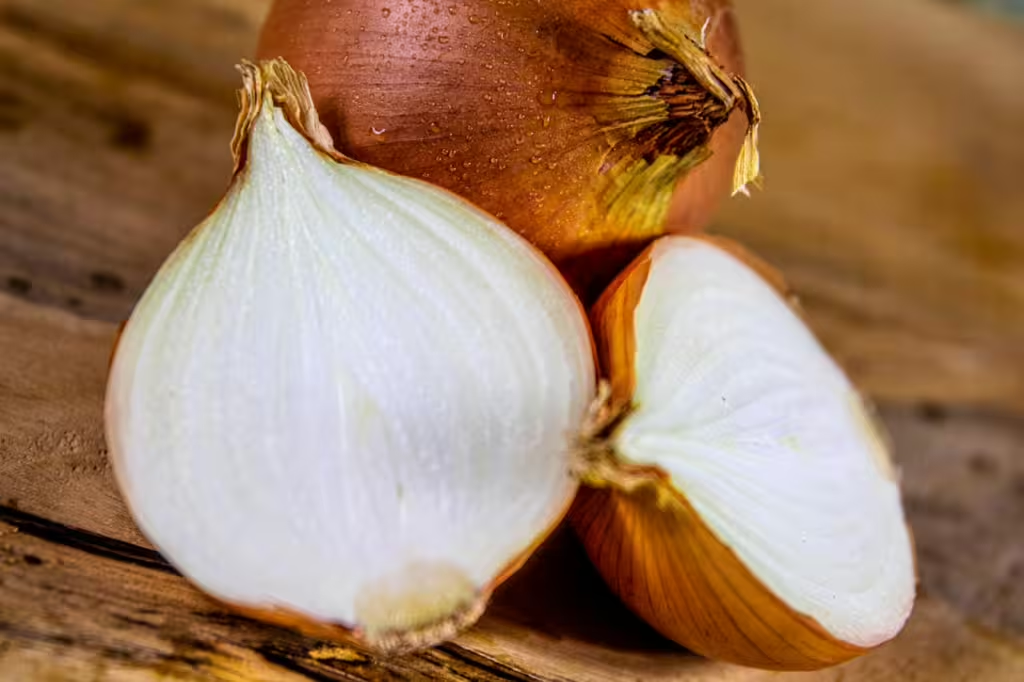

Today, we continue our study in plant-based food to examine one of the most versatile veggies known to mankind. In the last article, we spoke about garlic, a pungent powerhouse of flavor and healthy benefits. Now, we move on to its equally odiferous counterpart; the onion.
Believe it or not, few foodstuffs are as quietly essential as the onion. Though they rarely takes center stage, onions forms the backbone of countless dishes in cuisines around the world. They bring depth, balance, and character to food, while still being a fairly healthy choice for those looking to add more veggies to their diets.
In this article, we explore the onion’s long history of cultivation and their cultural importance. t the same time, we will examine their potential health benefits and how they have been used in traditional medicine for centuries. So put on your goggles and be ready to weep as we attempt to peel back the layers to reveal what lies at the heart of the humble onion.
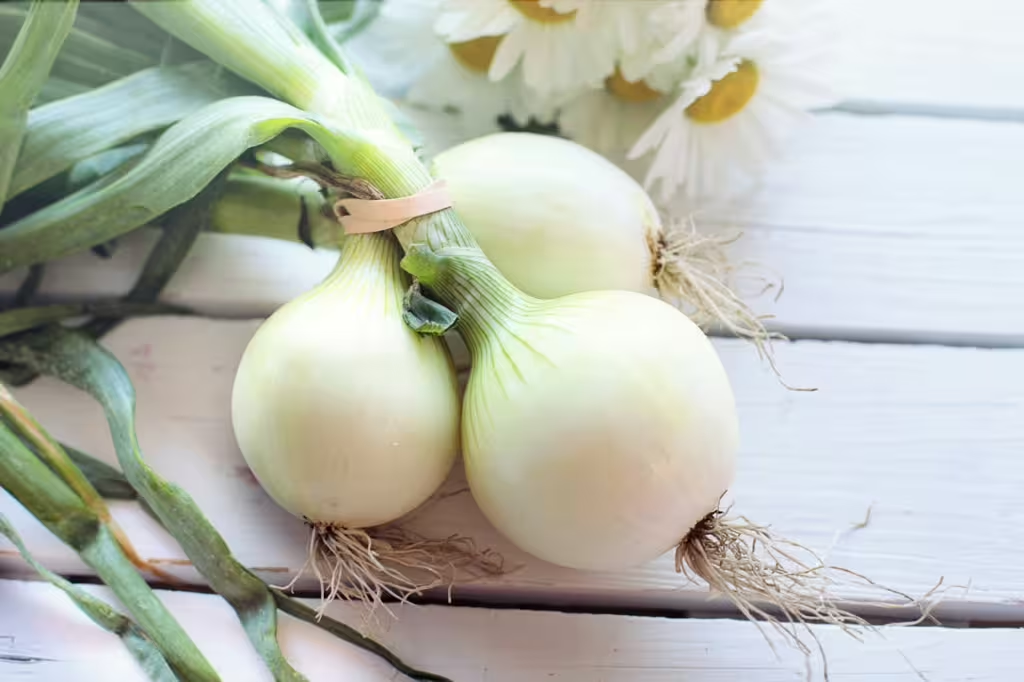
What Is an Onion?
Scientifically known as Allium cepa, onions belong to the same family as the aforementioned garlic, along with leeks, and chives. Onions are bulb vegetable, meaning the main part of the plant grows underground as a layered structure that stores energy for the entirety of the organism.
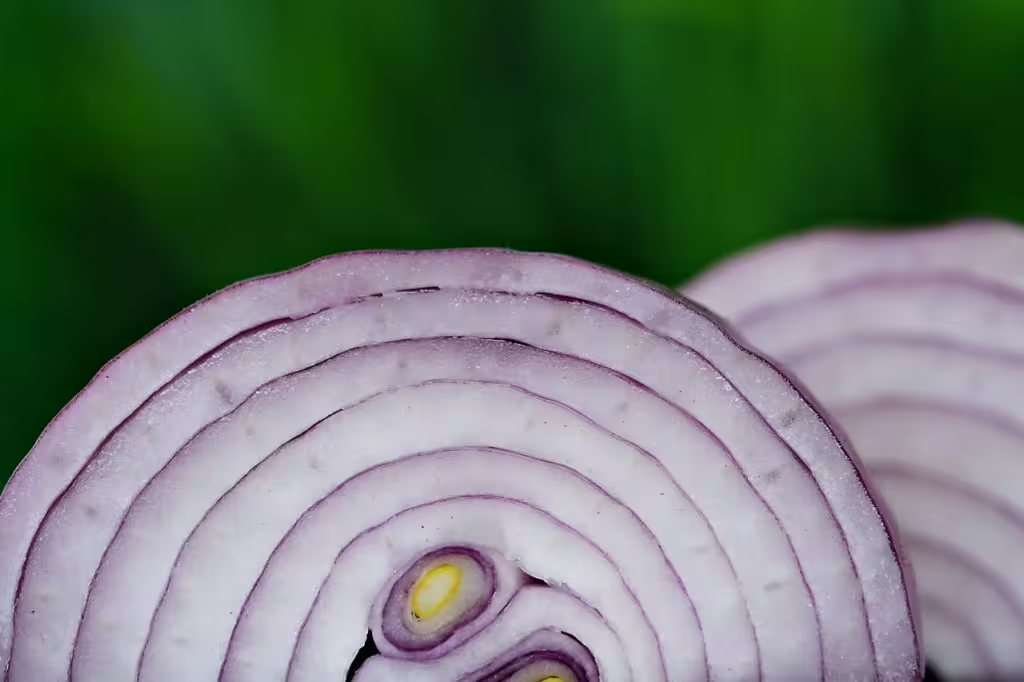
Each onion is made up of a central core, surrounded by thin, concentric layers, and a papery outer skin. These layers are actually modified leaves, which have been tightly packed together to form the bulb. Once it has been planted, the bulb produces green shoots that grow above the ground, but the real “meat” of the plant lies in the layers.
Onions can survive and grown successfully in a wide range of climates, which explains why it has been so widely cultivated for so many centuries. Like garlic, onions have been used as a flavor enhancer since time immemorial, but they have many uses beyond the culinary.
A History Rooted in Human Civilization
Believe it or not, the unassuming onion has been a kind of staple part of human diets for thousands of years. They were valued in Ancient Egypt, where they symbolized eternity due to their layered structure. The people of Ancient Rome, meanwhile, used them for both food and medicinal purposes. Farther east, traditional Asian and Middle Eastern cuisines used them as culinary staples.
Much of this can be explained by the onion’s long shelf life and its ability to grow in a diverse range of environments. made them especially important in early agriculture. Thus, over time and through their use in so many kitchens all over the ancient world, onions became a foundational ingredient in many global cuisines.
The Chemistry Behind the Flavor
Onions are known for their sharp taste and, famously, their ability to make us cry. This latter effect is caused by the sulfur-containing compounds the onion releases when it has been cut. How does this work? Well, when the cells of an onion are broken, its internal enzymes react with sulfur compounds, which releases a gas into the surrounding air. That gas reacts with the moisture in our eyes, creating irritation and causing the tell-tale waterworks we all know and love.
Interestingly, that same chemistry contributes to the onion’s flavor. As a result, raw onions tend to be sharp, pungent, and slightly spicy. Wehn they are cooked, however, those sulfur compounds break down and the flavor propfile transforms entirely. Cooked onions take on a sweeter, milder, richer flavor.
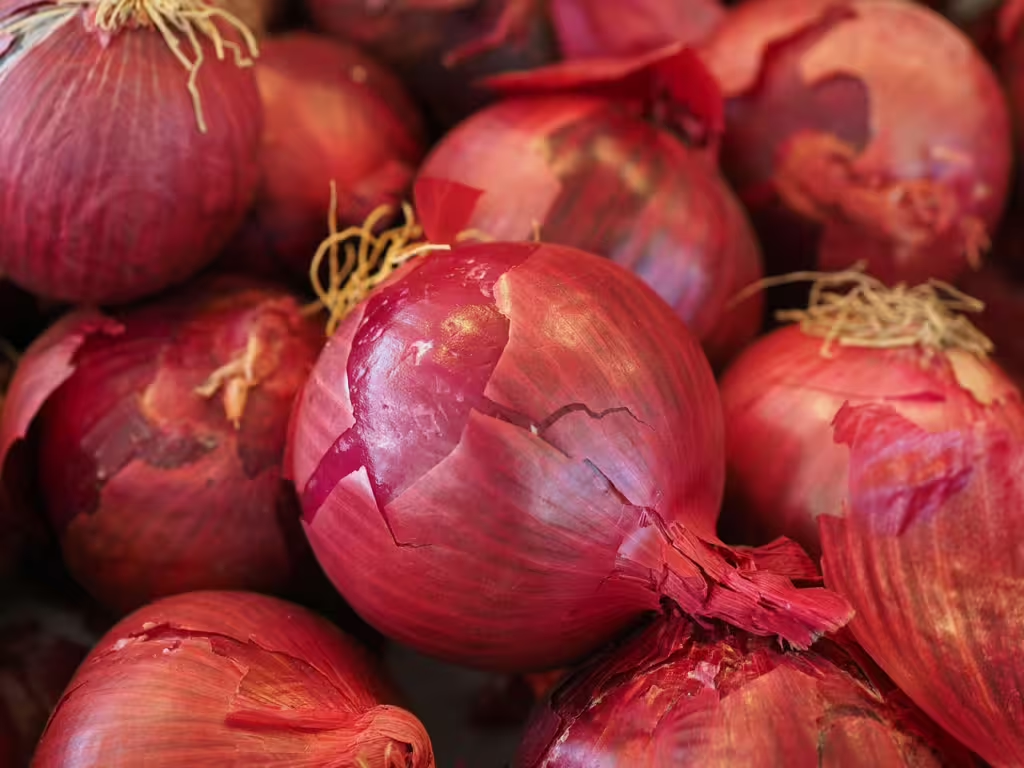
Different Types of Onions
Not all onions are made or even taste the same. Each variety offers a slightly different taste and use. Yellow onions, the most common type, has a more balanced flavor, making them ideal for cooking. Red onions, are also mild and slightly sweet, even when raw, which is why they are sometimes used in salads and sandwiches. White onions tend to be sharper and spicier. They are often used in Mexican dishes due to their specific flavor profile.
Finally there are sweet or Vidalia onions. These have a higher natural sugar content than other varieties, which makes them ideal for caramelization; provided you want to take the time to do so. Trust us, if you like onions, you’re going to want to take the time to caramelize these. But no matter which onions you want to use, you’re going to find options sitting in your grocery store produce aisle.
Flavor Pairing and Enhancement
Onions are known for their ability to enhance other ingredients and pair well with everything from meats and seafood to veggies, grains, beans, and legumes. They also complement many different herbs and spices. In fact, no matter what type of cuisine you find yourself cooking on a weeknight, chances are good a little bit of onion is going to make it better. .
For many cooks, onions often act as a bridge, connecting flavors and creating depth. They add sweetness, lend their richness to sauces and soups, and balance the acidity of a given meal.
Onions and Health: Traditional Uses
Onions have long been associated with health benefits and in traditional medicine, they are used to improve circulation and immunity. In general, they also help with general wellness and include a variety of beneficial compounds like antioxidants, vitamin C, and quercetin, which scientists have discovered can combat the damage done by free radicals. Both garlic and onion help best when used as part of a balanced diet.
Storage and Longevity
Onions are excellent to have in the home and last a long while if stored properly. To keep them fresh, all you need to do is store in a cool, dry, well-ventilated place. The trick is to avoid moisture and direct sunlight, so that they don’t sprout, rot, or grow. One thing many people don’t realize is that it is best to keep them separate from potatoes, as proximity can affect spoilage. When properly stored, onions can last for weeks or even months.
True Investigator Says…
As you can see, onions may not always be the star of a dish, but they’ are often what makes everything ‘re subtlety and distinctive flavor is what makes every other ingredient shine. Add to that the fact that they can support health and you’ve got a real recipe for success.
Across the centuries, onions have remained one of the most valuable, versatile ingredients found in nature. From their layered structure to their deep culinary and medicinal history they represent, onions remind us that even the most ordinary foods can hold extraordinary value.
Discover more from TrueInvestigator
Subscribe to get the latest posts sent to your email.