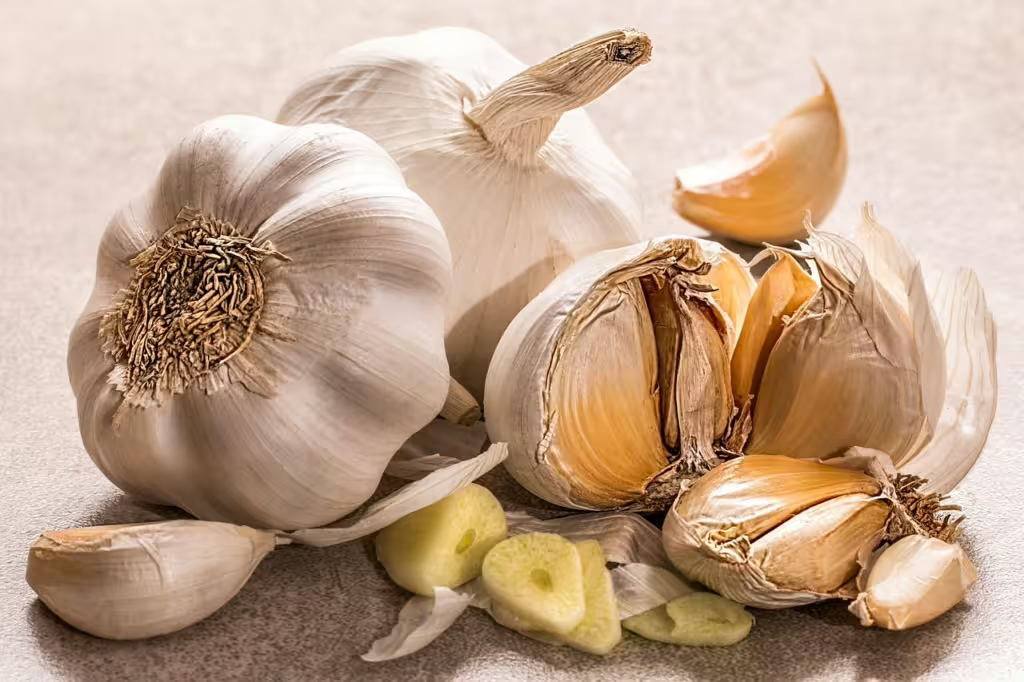

When it comes to world cuisine, nearly every culture has found some use for the sharp-scented, bold flavor of Allium sativum, otherwise known as garlic. Garlic has been a staple in cooking for thousands of years and few ingredients are as widely used, or as instantly recognizable. But beyond this bodacious bulb’s culinary appeal, garlic’s impact on human culture can be measured in herbal, medicinal, and spiritual applications.
In this article, the first of its kind on True Investigator, we will examine garlic from the ground up. We will discuss its long history as a natural remedy, a signature cooking ingredient, and a key part of traditional health practices. At the same time, we will speak on the complex chemistry that enables it to be so versatile for so many aspects of human life.
What Exactly Is Garlic?
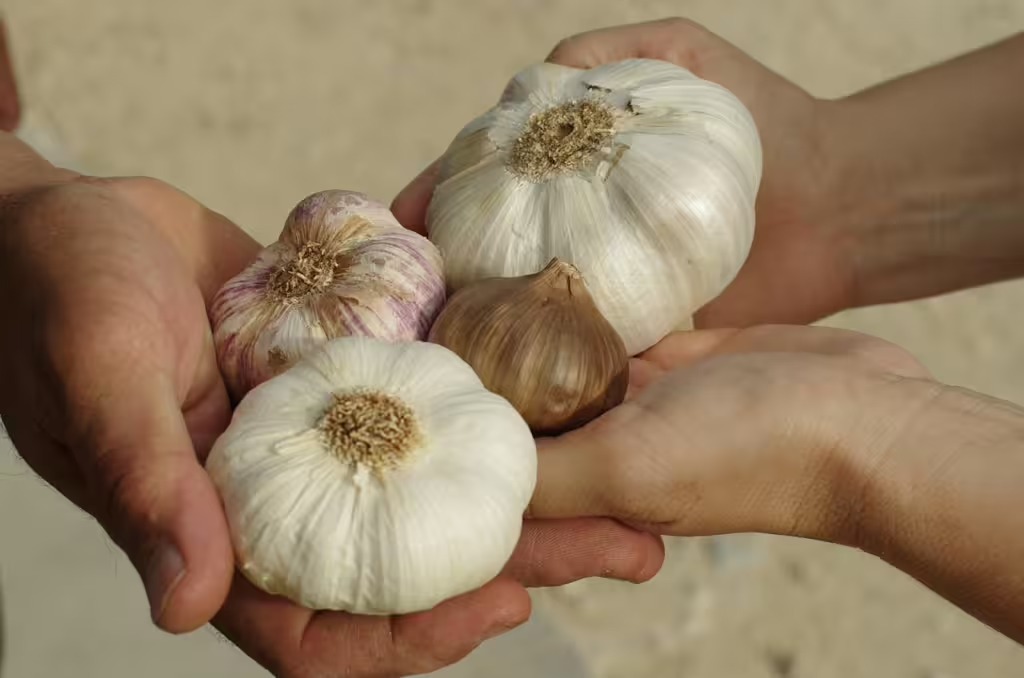
Garlic is a member of the Allium family, which also includes similar culinary mainstays as onions, leeks, and chives. It grows as a bulb underground, made up of multiple segments called cloves; which are what we actually eat when we start making our marinara sauce. Each of those cloves is capable of producing a new plant.
When cultivated, garlic is typically planted in well drained soil during fall, it develops roots before winter, then sprouts green shoots in spring. By early summer, the bulb matures, forming tightly wrapped layers beneath the cool soil surface.
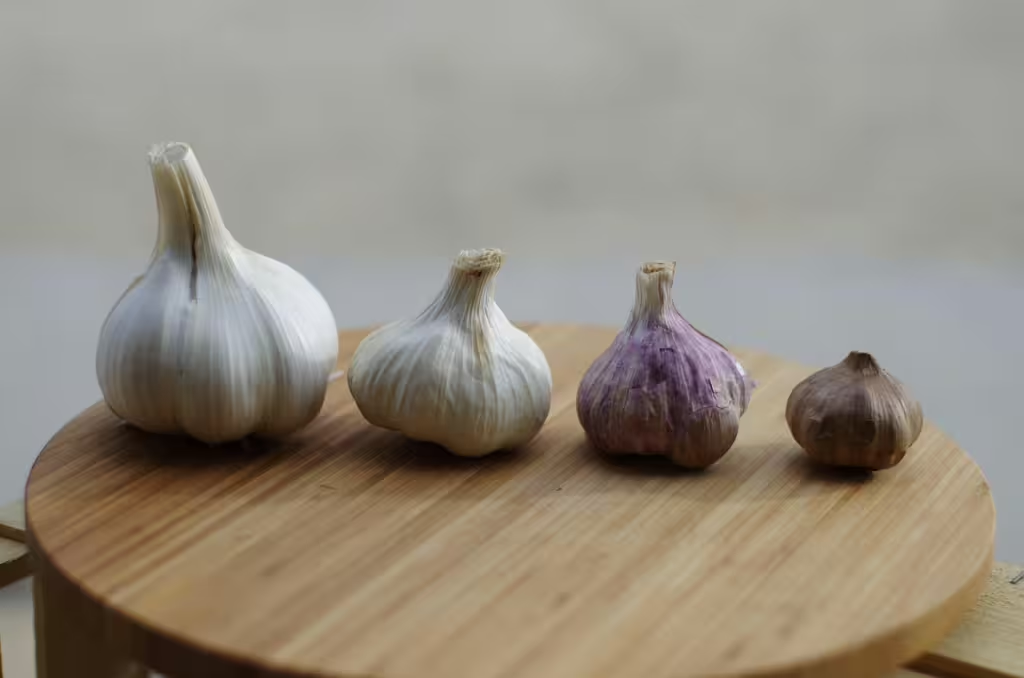
Each flavorful clove is encased in a thin, papery skin, and the entire bulb is covered by a thicker outer layer of the same, cumbersome covering. It is, as vegetables go, pretty simple, all things considered. It’s shape and growth pattern means it is also fairly easy to cultivate. This is compounded by the fact that it thrives in a variety of climates, making garlic one of the most accessible and widely grown food plants.
A History That Spans Civilizations
Perhaps because it is so accessible and widely-grown, garlic has been used for thousands of years across many different cultures all across the globe. Historical records show that it was used in Ancient Egypt, where it was given to workers for strength and Ancient Greece, where athletes consumed it before competitions. There is also evidence that it was used for its healing properties in traditional Chinese and Indian medicinal practices. This long history reflects garlic’s dual role as both a food and a form of natural support for health.
The Chemistry Behind the Flavor
Most people take garlic’s taste for granted. So much so that many assume the distinctive taste and smell is just “garlicky.” However, those distinctively garlicky things come from the sulfur-containing compounds inside the plant. When a clove is chopped, crushed, sliced, or otherwise chewed, it releases a compound called allicin.
What some don’t realize is that raw garlic has a sharper flavor, while cooking it transforms the taste into something milder and sweeter. In any case, that allicin is what causes garlic’s strong aroma, as well as many of the healthsome biological properties that make it good for traditional medicine.
Garlic in Cooking: A Global Staple
Garlic is one of the most versatile ingredients in the culinary world. Mediterranean dishes, Asian stir-fries, Latin American sauces, and Middle Eastern spreads all have some measure of garlic in them. They enhance flavors no matter which form they are used.
Garlic can be prepared raw, roasted, or sautéed. In its raw state it is strong and pungent, it’s maximum flavor being released as it is broken down. Cooking softens the sharp flavors and mellows out the aromas. When roasted for a long time, it becomes even sweeter than sugar and spreadable. This is the flexibility that makes it such versatile base for so many foods. It’s flavor complements meat, seafood, vegetables, grains, beans, and dozens of different herbs and spices.
Garlic and Health: Traditional Uses
We move on now from the many culinary uses of garlic to the reasons why it was originally incorporated into human cuisine in the first place. In many cultures and traditional natural healing practices, garlic has long been associated with health benefits. It supports immune function and circulation, it has antibiotic and antimicrobial properties, and is a strong antioxidant.
In olden times, people likely used garlic as part of healing poultices, potions, and nostrums, but we imagine folks got tired of eating garlic paste and wanted to try incorporating it into more delectable dishes. This may be why so many world cultures ended up adopting it as a key ingredient in so many of their favorite foods.
Modern Research and Scientific Proof
The evidence from these ancient cultures is so definitive, it seems, that modern science continues to study garlic’s myriad health effects. Scientific studies have explored the compounds found in garlic, particularly allicin and related sulfur compounds. They have confirmed garlic’s antimicrobial properties and its ability to support heart, immune, and blood health.
That said, it’s important to understand that garlic is not and should not be used as a replacement for legitimate medical treatment. Of course, it can still be used to supplement a balanced diet and added to food for both flavor and a nutrient boost.
Garlic in Everyday Health Habits
If you’re like me, then you probably already add “too much garlic” to every one of your dishes. I mean, who only puts two cloves of garlic into a sauce? The point is, if you’re not already a garlic nut and you want to find new ways to incorporate it into your everyday routine, there are many ways to do so. Indeed, garlic’s versatility makes it easy to include in daily life.
You can mix it into dressings, roast it and turn it into a daily spread for toast or crackers, add it to soups, sauces, or even include it in marinades. Basically, garlic can be added to daily meals without having to sacrifice the flavor. If anything, it will only enhance what is already there. Heck, if you’re bold enough, you can even add it to dessert dishes!
Garlic stores well when kept in the right conditions. So long as you store it in a cool, dry place, it can last for several weeks. Avoid refrigerating whole bulbs, however, as they can grow mold or sprout in the fridge.
Cultural Significance
Beyond its practical uses as food or medicine, garlic holds cultural meaning in many parts of the world. Over the centuries, it has been associated with protection, strength, and endurance. Many tales and beliefs in folklore contribute to this symbolism. In some traditions, garlic is even believed to ward off illness or negative influences; think vampires avoiding garlic or it being used to ward off evil spirits. While these beliefs vary by culture and mythos, they highlight garlic’s deep connection to human history.
True Investigator Says…
As you can see, garlic isn’t just a powdered ingredient in your spice cabinet, it is a remarkable herb, not only versatile in how it bridges the gap between food and health, but in its ability to grow and thrive in so many different environments. Garlic enhances meals, supports well-being, and connects us as a species through centuries of tradition.
Whether you’re using it raw for its sharp bite or roasting it for its mellow sweetness, garlic remains one of the most adaptable and valuable ingredients that can be found in nature. This is a plant that is simple, powerful, and a true wonder of nature. It is a reminder to us that some of the most impactful things in our lives come from very unassuming sources; and that is an encouraging thought. Don’t you think?
Discover more from TrueInvestigator
Subscribe to get the latest posts sent to your email.