
When it comes to bugs that the vast majority of humans would consider to be “beautiful,” the only overt options available to us are probably the butterflies; or maybe dragonflies if one ignores the fact that they are actually voracious predators. Of course, those of us who prefer the night life might be familiar with another breed of buggy beauties that the daywalkers often overlook. We are speaking, of course, of moths.
Butterflies might draw our attention in the light of day, but their nocturnal counterparts almost do everything they can to not be seen. When we do get a chance to see them, perhaps as they flutter about overhead porch lights, they seem sort of unremarkable. It is only when we look closer, or venture into more tropical ecosystems, that the moths begin to overtake the presumed beauty of butterflies.
In many ecosystems the world over, moths play essential, far-reaching roles. These insects are pollinators, food sources, recyclers, and for scientists, valuable indicators of a habitat’s environmental health. In this article, we will examine everything about moths. We will take a look at different species, from minuscule Pygmy moths to the absolutely massive Atlas moths of the tropics. By the time we’re done, perhaps you too will find these creatures to be just as “beautiful” as their butterfly cousins.
What Are Moths?
Both moths and butterflies belong to the order Lepidoptera. The only real difference is that, where butterflies are almost exclusively diurnal, most moths are nocturnal. Moths are also far more numerous than butterflies in terms of sheer volume of species. Butterflies come in about 17,000 varieties, whereas there are 160,000 known species of moth; that we know about, that is!
Finally, moths come in all shapes and sizes. Where butterflies tend to stand out amongst their surroundings, many moths opt for camouflage. That said, there are plenty of brightly-colored, beautiful moths out there in the world. One of these, the aforementioned Atlas moth has a wingspan of 10 inches. For scale, that’s almost a foot long from wingtip to wingtip!
Nighttime Pollinators
Like bees and butterflies, many moth species are vital to the process of pollination. Yet, while these other bugs search for flowers beneath sunny skies, moths choose to do their pollinating in the dead of night. This is important to note, because many species of plants bloom specifically at night so that they can utilize these nocturnal pollinators.
Some plants have evolved specifically to be pollinated by moths, forming close ecological relationships. For example, many night-blooming flowers open at night, smell strongly, and are often pale or white in color; all of which are perfect qualities for attracting moths. The moths come to feed on the nectar of the flowers and fly off with their furry little bodies covered in pollen.
Special Relationships
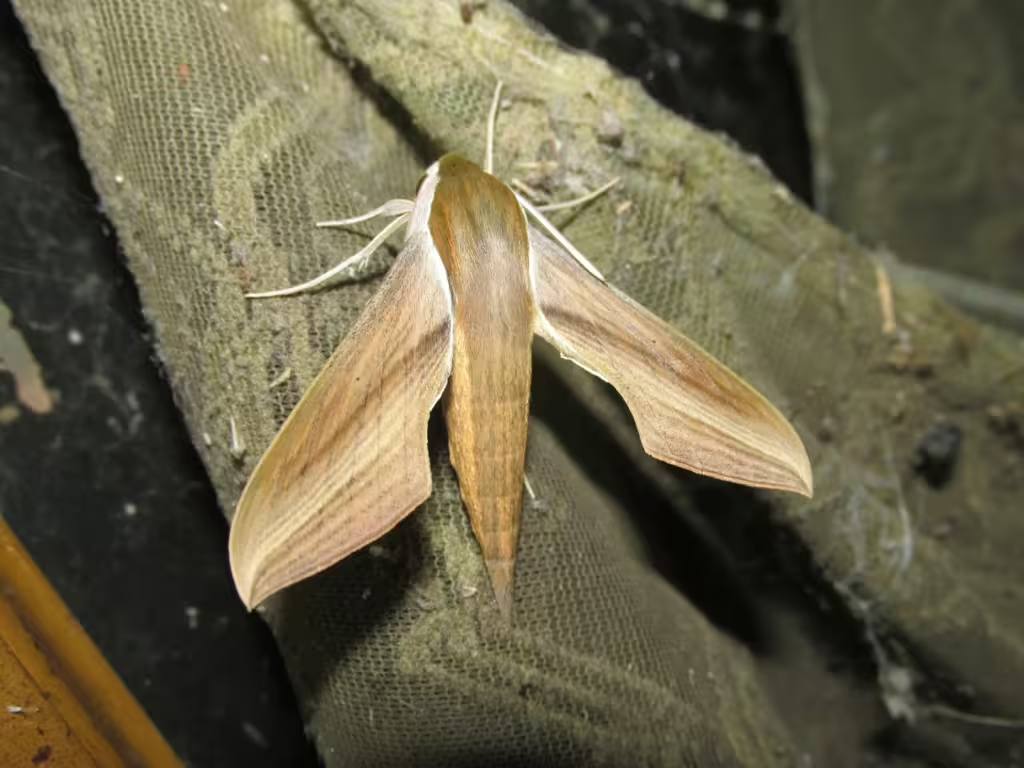
Certain moths are more effective at pollination than others. Take the members of the Sphingidae family. Often called hawk moths or sphinx moths, these moths are capable of hovering like hummingbirds while feeding. They also possess long proboscises (feeding tubes) which allow them to reach deep into flowers, enabling them to pollinate for species that other insects cannot
A Vital Food Source
Some predatory birds, bats, frogs, reptiles, rabbits, lemurs, arachnids, and many other insects, all find moths to be quite delicious. This means, as a food source, moths are a key part of the food web. We’re not just talking adult moths either.
In their larval, caterpillar stage, moths are a prime candidate for mother birds looking to feed their young. Indeed, more than a few bird species rely on the abundance of caterpillars during their breeding season. This makes perfect sense as they are soft-bodied, and therefore quite easy to eat. They are also very high in protein, which growing chicks need.
Herbivores That Shape Plant Life
Gown moths might feed on nectar and help to pollinate plants, but before they get their wings, they are hungry, hungry little caterpillars. Moth larvae feed on leaves, which can sometimes be harmful in the case of invasive species like the gypsy moth (now known as the spongey moth), but also plays an important role in the regulation of plant life within a given ecosystems.
Basically, by feeding on leaves, caterpillars help regulate plant growth, influence plant competition, and contribute to nutrient cycling. In response, many plants have actually evolved chemical defenses or tougher leaves to combat the voracious little buggers. Nevertheless, it is this ongoing interaction between plants and herbivores helps maintain an area’s ecological balance.
Decomposers and Nutrient Recycling
Some moth species contribute to decomposition because their larvae don’t feed on leaves but organic detritus such as dead plant material, animal remains, or other edible debris. Breaking down this material helps return nutrients to the soil and feed the caterpillars, who then grow and pollinate plants, which die and decompose, feeding new generations of moth caterpillars; you noticing the pattern yet?
Indicators of Environmental Health
Moths are sensitive to environmental changes so any loss of their population due to habitat loss, pollution, climate change, or shifts in local plant or animal life is noticeable and important. Because of this, scientists often use these insects as bioindicators; organisms that reflect the health of an ecosystem.
Adaptations for Night Life
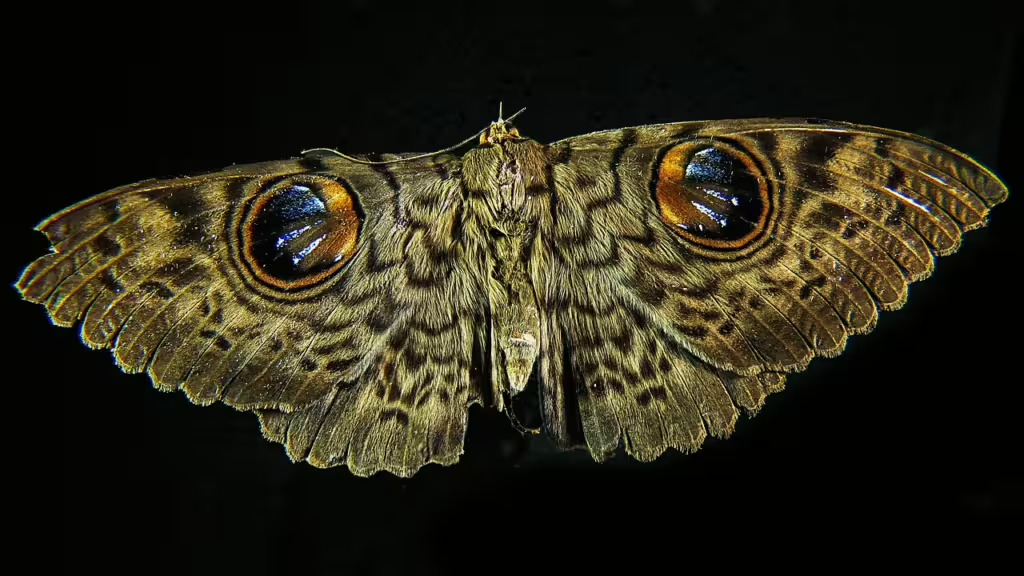
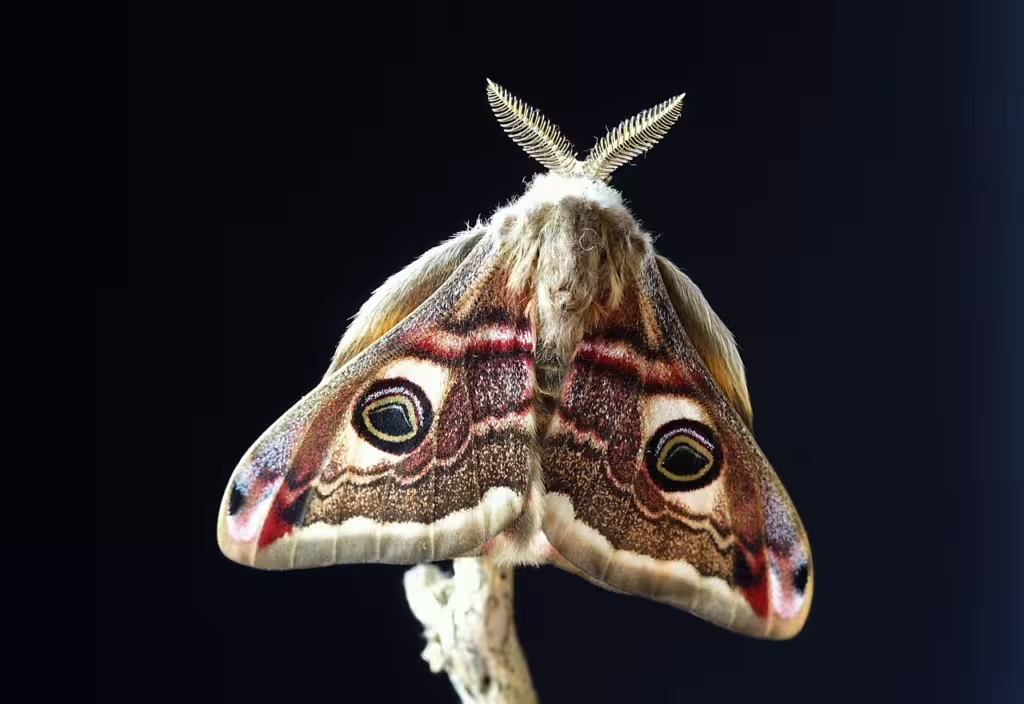
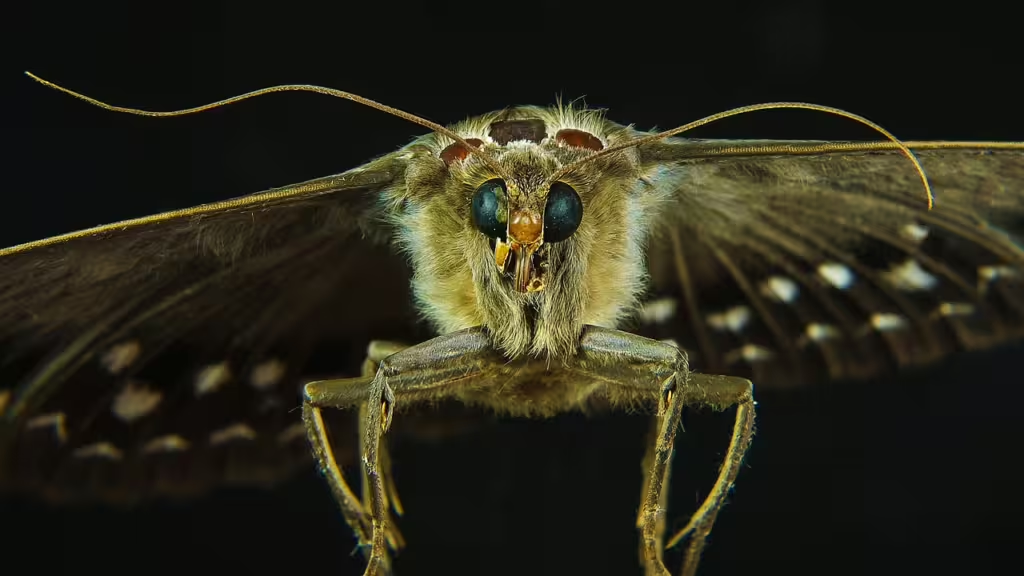
Moths have evolved a variety of adaptations that allow them to thrive at night. They have excellent night vision and sensitive antennae which help them to detect scents from very far off. Some moths have the ability to detect ultrasonic sounds, which helps them avoid one of their chief predators; bats. Then there is the camouflage many moths use to blend into their surroundings and avoid detection, and the eye-shaped markings some bear so that they can deter or scare off larger predators.
True Investigator Says…
As you can see, moths might be fuzzy and deceptive, but they are also crucial inhabitants of many ecosystems all over the planet. This is why it is so important for humanity to understand and recognize their value. The natural world is full of complex systems and these pollinating, plant-eating, meal-making, recyclers are essential for sustaining those systems. So, the next time you feeling like swatting down a moth for eating a hole in your sweater, maybe take a second and bring it back outside. You never know what role that cute little bugger is going to end up playing once it gets a real chance to shine.
Discover more from TrueInvestigator
Subscribe to get the latest posts sent to your email.