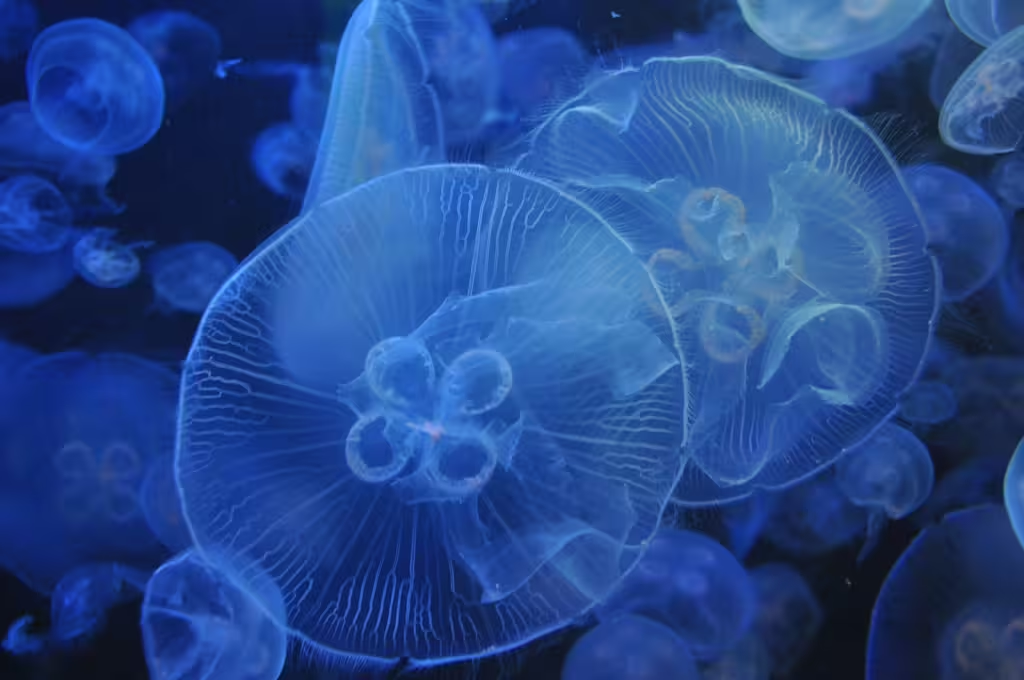

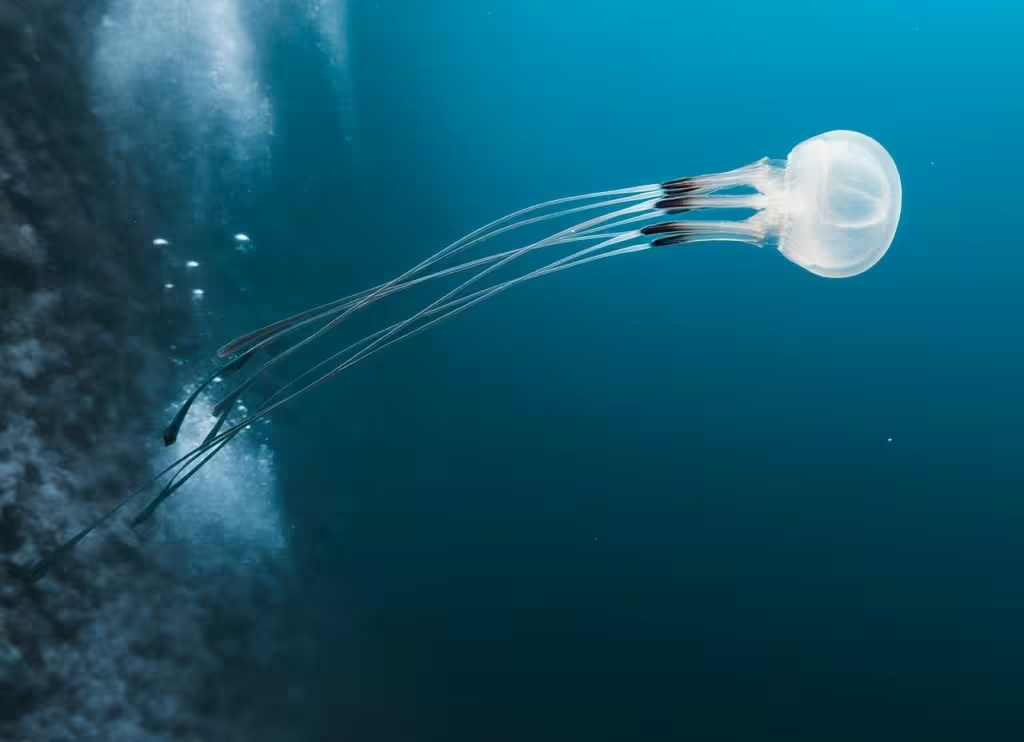
Most of us have seen a lone jellyfish, stranded and dying in the sands along the beach. But few of us have beheld the astounding jellyfish blooms that fishermen, swimmers, and scientists have noticed popping up in recent years. These massive conglomerations of jellyfish have been witnessed happening at certain times of year and what initially appears to be a few drifting individuals can quickly become a dense swarm of stinging, undulating lifeforms.
To be fair, jellyfish blooms are not entirely new. Indeed, jellyfish themselves have existed in pretty much the same form for hundreds of millions of years. These simple creatures have been around since long before dinosaurs walked the Earth. Nevertheless, in recent decades, scientists have observed significant changes in how often these blooms occur. At the same time, their size and gathering locations have changed to what many believe are linked to broader shifts in the environment. The most obvious culprit in all of this? Climate change.
In this article, we will endeavor to find out if climate change is indeed responsible for the massive changes that jellyfish blooms have undergone in modern history. If that is the case, then understanding jellyfish blooms offers humanity a valuable window into how marine species and ecosystems are responding to our warming, ever-changing planet.
What Is a Jellyfish Bloom?
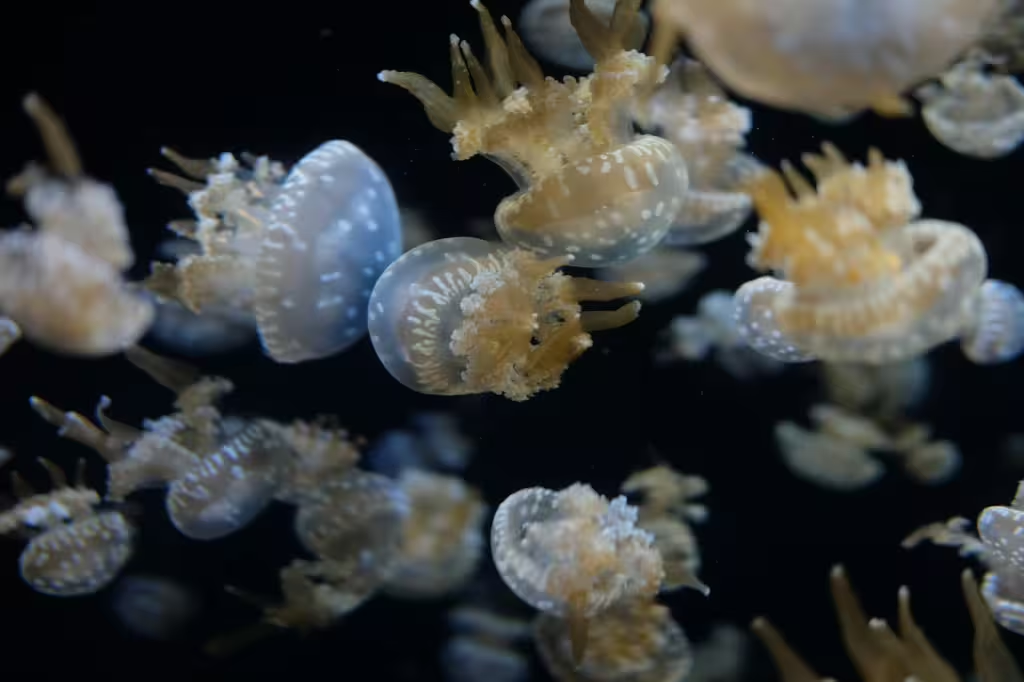
A jellyfish bloom has more to do with the way algae blooms than the way flowers do; and that should give you some indication as to the import of these events. Blooms occur when large numbers of jellyfish gather in a relatively small area. Each blooms can contain between thousands to millions of individuals and may last for days or weeks. Blooms are natural or seasonal events and the most common species of jellyfish that involve themselves in blooms include the Moon jellyfish, Lion’s Mane jellyfish, and the Pacific Sea Nettle. The problem is, blooms have been happening with ever-increasing frequency for the better part of the past few decades.
The Jellyfish Life Cycle
To understand why the jellyfish bloom in the first place, it might be helpful to understand how jellyfish reproduce. As simple as they appear, jellyfish have a pretty complex life cycle. Unlike insects which have three stages, jellyfish only have two main stages: the polyp stage, in which small jellyfish polyps attach themselves to rocks and docks, and the medusa stage, where they become free-swimming jellyfish.
While they are polyps, jellyfish can reproduce asexually, producing multiple young jellyfish at once. Under the right conditions, this can actually lead to rapid population growth. In fact, when environmental conditions are particularly favorable, large numbers of jellyfish can develop simultaneously. This often setts the stage for a bloom to occur soon after.
Warmer Oceans, Faster Growth
Most of us are at least passably aware that one of the most significant effects of climate change has been the ever-rising temperatures of our oceans. Warmer waters don’t just affect cold-loving critters, they can also influence jellyfish in several, notable ways. First, they tend to reproduce even faster than normal. They also experience longer growing seasons and can expand into uncommon geographic ranges.
In short, many of the blooming type jellyfish actually thrive in warmer water, which means they grow and reproduce far more quickly than they would have if conditions were chillier. Basically, as oceans continue to warm, areas that were once too cold for certain jellyfish species have started becoming more suitable habitats; which can become a problem for the marine species that already live in those waters.
Changes in Ocean Circulation
Just as climate change can alter temperatures, it can also alter ocean currents and circulation patterns. Such alterations can transport and concentrate the free-floating jellies into certain areas they might not have otherwise occupied. It can similarly affect the distribution of nutrients and prey, thus impacting ecosystems and species that never had to contend with jellyfish swarms before.
Overfishing and Food Web Imbalance
It goes without saying that human activity plays a major role in climate change, but our fishing industries have had similarly detrimental effects on the food web of the waves. Overfishing and accidental bycatch reduces populations of fish that not only prey on jellyfish for food but compete with jellyfish. On either side of the coin, fewer predators and competitors, jellyfish populations can bloom out of control, thus creating a massive imbalance in the marine food web.
Nutrient Pollution and Coastal Waters
It isn’t just warm waters that contributes to this overpopulation. Runoff from agriculture and urban areas can increase nutrient levels in coastal waters. This process, known as eutrophication, leads to algal blooms and increased plankton populations; the latter of which affects jellyfish because many of them feed on plankton. In some cases, these plankton smorgasbords have directly contributed to more frequent or intense jellyfish blooms.
Human Impacts
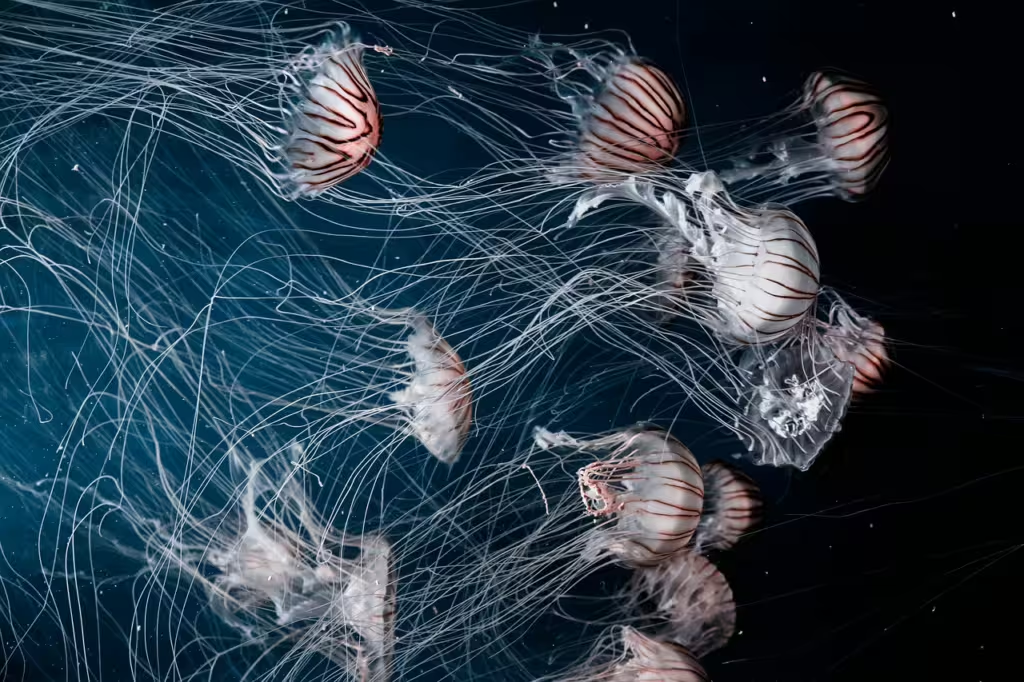
Believe it or not, jellyfish blooms also affect human activities. Our fisheries can be impacted because of the marine imbalance, which ends up reducing fish populations. Jellyfish blooms are also so massive at times that they damage fishing gear and interfere with harvesting protocols. Tourism is similarly affected, as folks don’t love to swim amidst swarms of potentially stinging jellyfish. Finally, an excss of jellyfish can clog cooling systems in power plants and desalination facilities, causing disruptions.
Are Blooms Increasing Everywhere?
While jellyfish blooms are becoming more noticeable in some regions, the global picture is still too complex to really discern. Nevertheless, scientists are still working to determine whether blooms are increasing worldwide. At the same time, they are investigating what the most common causes are and which regions are most affected. Curiously enough, where blooms have increased in some areas, in others, patterns remain stable. This variability reflects the complexity of ocean systems.
True Investigator Says…
As you can see, while jellyfish blooms are a natural part of ocean life, the recent alterations in their patterns is a grim indication of the broader, detrimental effects of climate change. Despite the best efforts of many, the oceans continue to warm. Ecosystems are shifting as a result and even species as adaptable and resilient as the jellyfish are beginning to feel its effects.
Still, marine and climate scientists are trying to glean what they can about the changes, so that they can help to mitigate the challenges facing our marine ecosystems. Sadly, even the gentle drift of a jellyfish bloom is a sign of beauty and a warning to all about the far-reaching effects of the environmental damage that our species has done to this planet.
Discover more from TrueInvestigator
Subscribe to get the latest posts sent to your email.