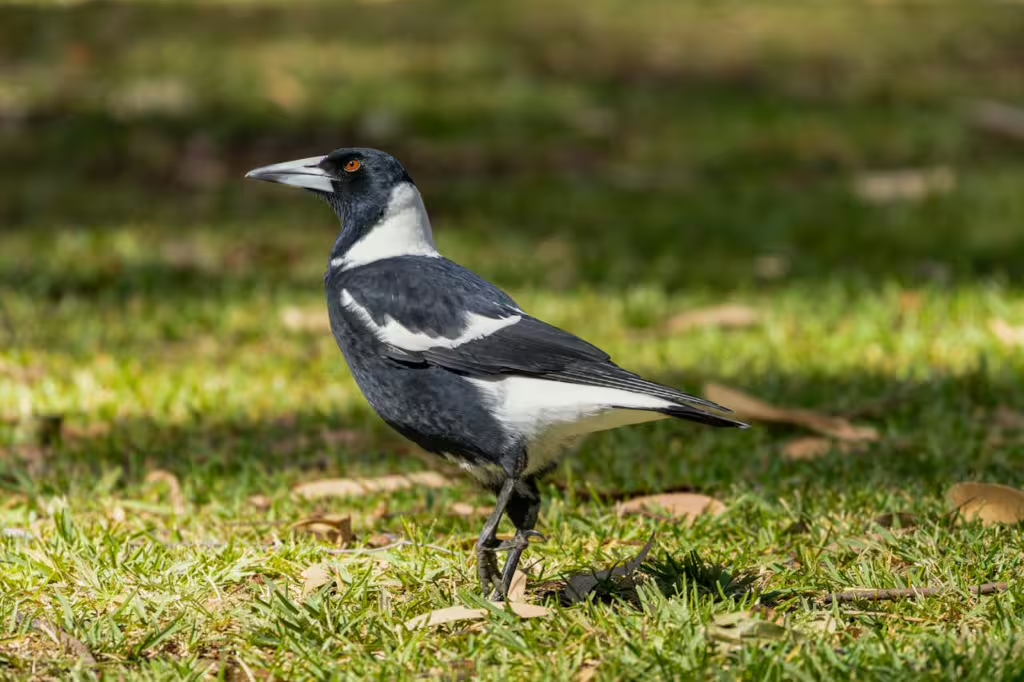

When it comes to intelligent birds, few of our feathered friends can hold a candle to the crow, raven, and parrot. These animals have proven through testing and even casual observation, that they can solve puzzles, remember faces, and even communicate clearly with complex species such as ourselves. Yet, there is one overlooked corvid cousin that is beginning to edge its way up the ladder of animal intelligence; the magpie.
Unlike ravens which have striking black plumage, magpies are two-tone. They have black-and-white feathers, long tails, and loud calls, and are counted among the most recognizable birds in the world. This is because, like ravens, magpies are intrinsically linked to folklore, mythology, and superstition. As such, they have fascinated humankind for centuries.
In this article, we will dive into the traits, behaviors, and intellect that have framed our understanding of magpies. As we do, we will touch upon their problem-solving skills, complex methods of communication, and remarkable social behavior, not to mention their important place within the many ecosystems they call home.
What Is a Magpie?
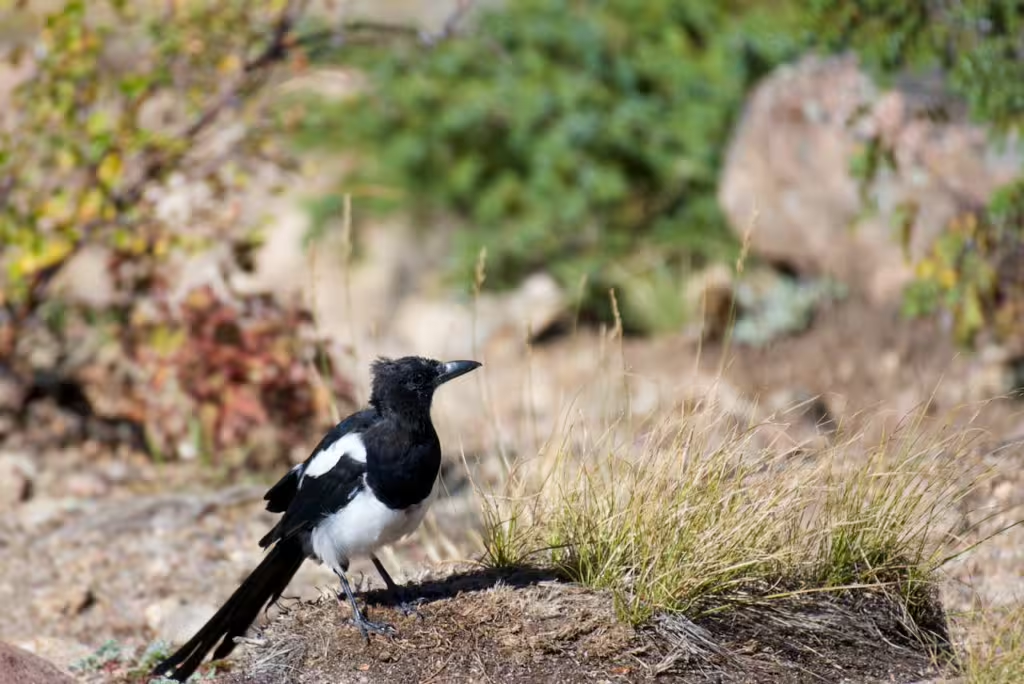
The term “magpie” is used to commonly refer to several species within the genus Pica. These animals are members of the Corvidae family, which includes ravens, crows, nutcrackers, and jays, as well. This family of birds is counted among the most intelligent birds in the animal kingdom. Certain specimens have been known to solve puzzles, remember faces, use tools, and find locations from memory. Magpies are no slouches in this area, as they share many of these advanced cognitive abilities.
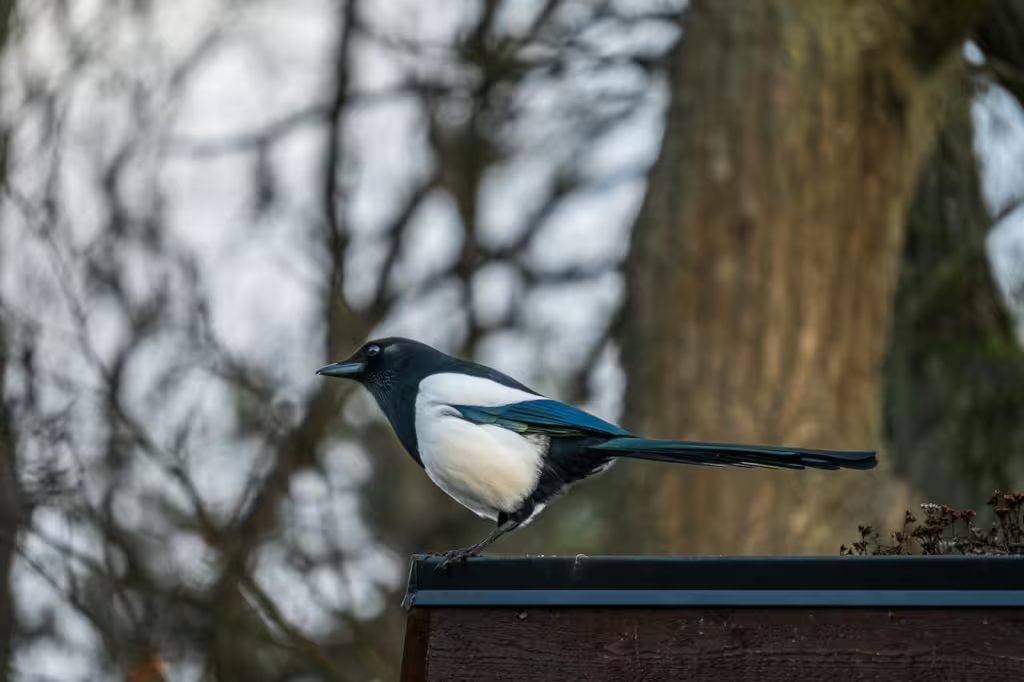
One of the best-known species is the Eurasian Magpie, a bird that ranges all across Europe and Asia. Their North American cousin, the Black-billed Magpie, lives in open landscapes and rural areas across the continent. Their appearance and their distinctive calls are what set them apart from your average bird and what makes them easy to identify even amidst the feathered rabble.
Remarkable Intelligence
At times, magpies have demonstrated the same intelligent behaviors that humanity once believed were exclusive to ourselves, our primate cousins, elephants, and some other mammals. These days, we know that even mollusks like the octopus are possessed of some degree of problem-solving intelligence, curiosity, and empathy.
Mirror Self-Recognition
Scientific study into the newfound intelligence of our animal neighbors has led to some startling realizations. One famous study suggested magpies may be able to recognize themselves in mirrors. This is an astounding amount of self-awareness for an animal and few other creatures have been able to display this talent beyond elephants, some apes, and ourselves.
Problem Solving
Magpies, like the crows and ravens of Aesop’s Fables, can actually solve complex tasks involving object manipulation, learning through observation, and retaining facts through memory. This is perhaps one of the reasons why they are so well-adapted to so many different environments, including those populated by humans. They can find food and shelter with relative ease through this means, even whilst navigating towns or city streets.
Omnivorous Survivors
Magpies are opportunistic feeders and omnivores. They eat insects, small animals, eggs, and carrion, but they are just as happy to dine on seeds, nuts, and fruit. This highly flexible diet also aids in their survival within urban and suburban environments. Their taste for bugs and penchant for scavenging off dead things also means they are vital to regulating insect populations and nutrient cycling within their chosen ecosystem.
The Myth of Shiny Object Theft
One of the famous myths surrounding magpies has to do with their desire to steal shiny objects. This is a concept constantly harped upon in folklore and even the popular culture of the modern era. The problem is…it’s probably hogwash. That’s right, scientific studies suggest that magpies are not especially attracted to shiny objects compared to other novel items. They do like unusual things and will take them if they catch their fancy, but they don’t have to be valuable or shin to catch their interest.
Social Behavior and Communication
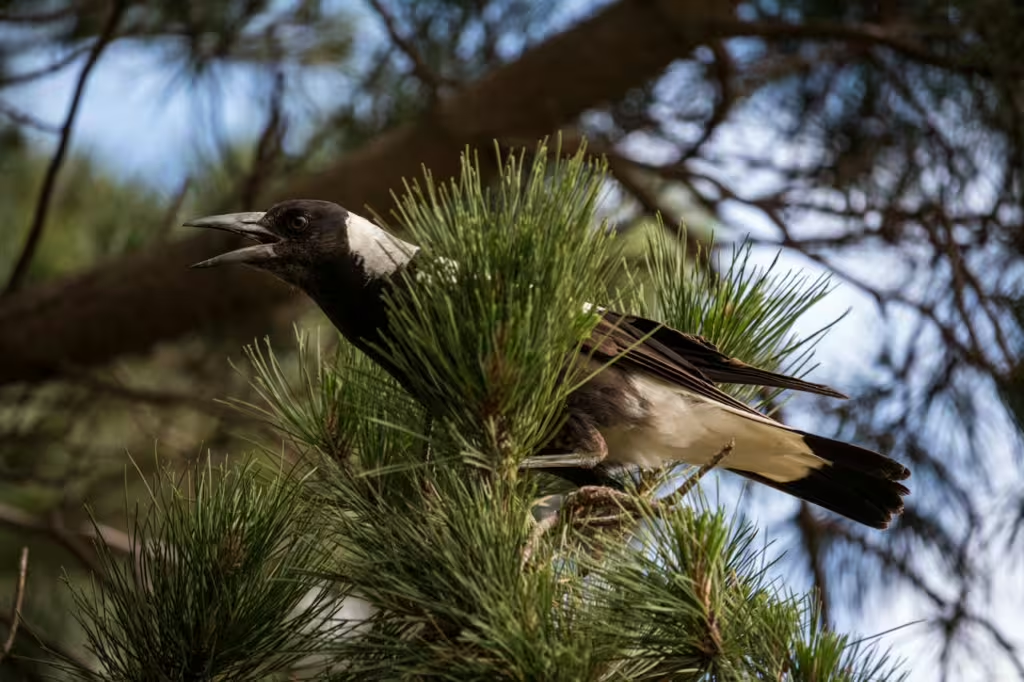
Magpies are highly social birds that communicate with one another through a mix of vocal calls, body posture, and subtle movements of their tails and wings. When they “talk” to one another, it is usually about danger, food sources, or territorial disputes, but it can just as easily be about parenting.
You see, magpie parents work together to raise their young. They build nests together, guard them together, and take turns finding their chicks protein-rich foods to help them grow. Young magpies often remain with family groups for extended periods before becoming independent.
Adaptation to Human Environments
As you can plainly tell, magpies are highly adaptable birds. This means they are more than capable of thriving near human settlements. Often found near farms, parks, suburbs, and cities, magpies choose these places for better feeding opportunities, nesting sites, and protection from certain wild predators. Sure, they have to deal with the odd cat, falcon, raccoon, or errant automobile, but they are intelligent enough to circumvent human-created dangers to get at human-created resources.
Ecological Importance
In addition mitigating the number of bugs in an area and cleaning up roadkill, magpies are excellent seed dispersers. They also act as food sources for larger birds of prey like hawks, eagles, and owls. Not to mention coyotes and foxes.
Magpies in Mythology and Folklore
Some cultures see magpies as symbols of luck and intelligence, while others associate them with trickery or mischief. Additionally, some people believe that they are birds of ill omen and that they are portents of doom. Still, whatever you may think of them. there’s no denying that magpies are curious and charming enough to appear in stories and beliefs across many cultures and folklores all over the world.
True Investigator Says…
As you can see, magpies aren’t just lesser crows, they are intelligent in their own unique way. At the same time, we have seen that they are more adaptable than many other species, a trait that is probably owed to that aforementioned intelligence. They also happen to be far more socially complex and charming than other birds, making them worthy of the the many cultural myths that have popped up around them over the centuries.
Ultimately though, the magpie’s value is not only in the cultural symbolism they represent, but in the ecological roles that they play and the evolutionary understanding they provide. Magpies are curious, cooperative critters that remind us that nature often finds ways to place sharp minds in unassuming forms.
Discover more from TrueInvestigator
Subscribe to get the latest posts sent to your email.