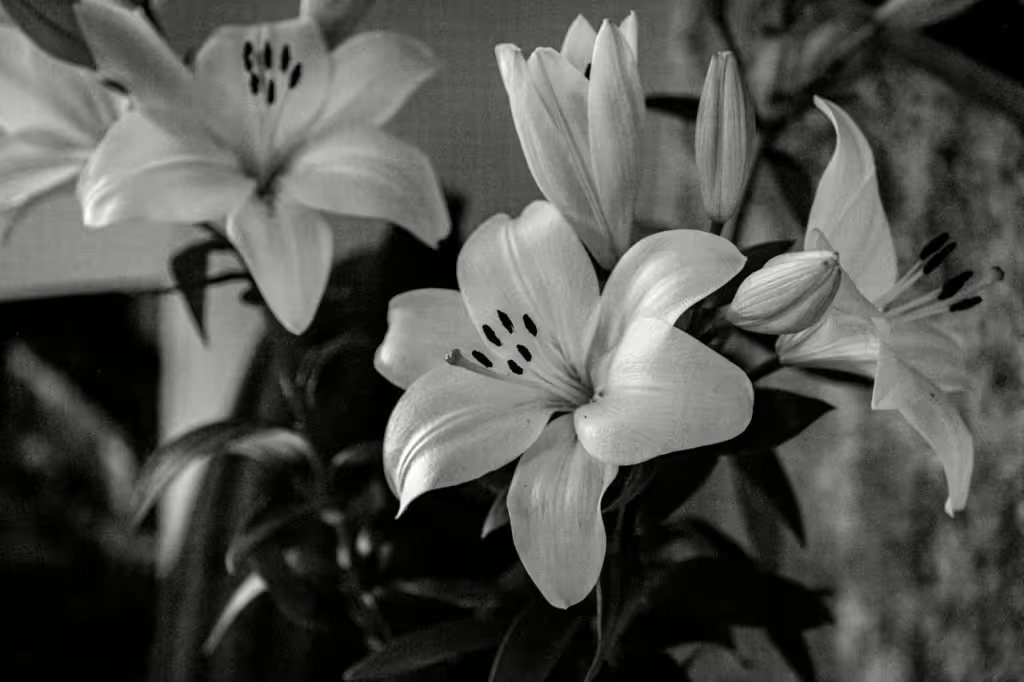

When many of us think about lilies, we conjure the image of a pure white flower, sitting atop a slowly-lowering casket. We think of that distinctive scent that seems to overcome all other floral scents in the room and brings to mind the same, deep-seeded memories of death. This might all seem a bit morbid to some of you, but we promise that’s actually the point.
Lilies are linked in our collective unconscious to many aspects of our lives, including death. Across cultures and through the centuries, they have become symbols of beauty, renewal, elegance, bereavement, and for the Harry Potter fans out there, the enduring power of a mother’s love.
And believe it or not, these large blooms don’t just come in white and “funeral home scent,” they grow in a riot of different colors and rich, distinctive fragrances. They can also be found growing everywhere from back gardens to forests, wetlands, and mountain ranges.
In this article, we will talk about why lilies re such an important part of human cultural heritage and history. We will discuss their ecology and their meaning, as well as the different places they grow. From towering trumpet lilies to delicate woodland species, we will examine every lily we can to learn why these blessed blooms are one of the most admired groups of flowering plants on Earth.
What Is a Lily?
The flowering plants we know colloquially as lilies belong to the genus Lilium, a group that contains not one, but dozens of species. There are other lilies of course, but those are not the “true lilies” we are discussing now and they will be touched upon later on in the article.
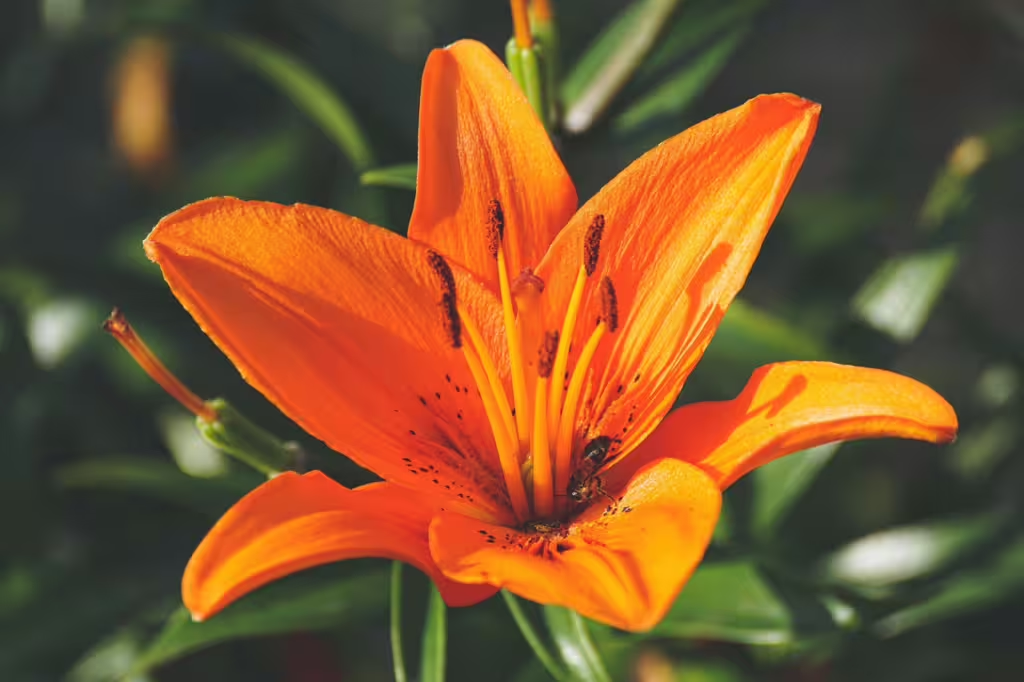
Nevertheless, each species of true lily is specially adapted to a wide range of climates and habitats. They are perennial flowering plants that grow from underground bulbs and are most known for their iconic structures, including their long trumpet-shaped flowers, their long stems, distinctive petals and stamens, and their powerful scent. There are star-shaped true lilies too as well, and they come in a variety of colors from orange and pink, to yellow, red, and of course, traditional white.
The most well-known of these true lilies are the Madonna Lily, Tiger Lily, Easter Lily, and Turk’s Cap Lily, but there are many more.
The Difference Between True Lilies and “Lilies”
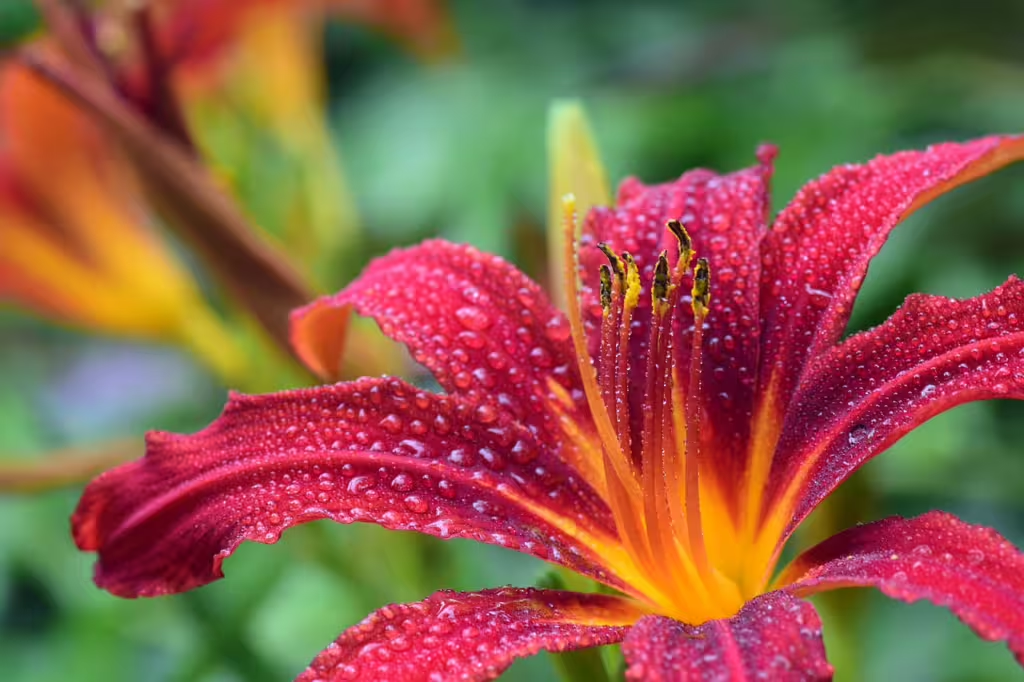
As we touched on earlier, many plants commonly called lilies are not actually true lilies. Water lilies, for example, aren’t true lilies but members of a completely different group of plants. Daylilies, despite their name, are not member of the genus lilium either. The difference is mainlt that true lilies grow from bulbs and have botanical characteristics that make them quite unique from other flowers.
Adaptations for Pollination
Lilies are highly specialized for attracting pollinators and this is also why their dramatic blooms are so large and fragrant. Being so highly visible and sweet-smelling, lilies cannot help but attract pollinators, even from long distances.
They also tend to have a large amount of nectar within, which helps attract the attention of pollinators like bees, butterflies, moths, and in some regions, hummingbirds or bats. As one would expect, different true lily species rely on different pollinators, and that influences their flower structure, the environment they grow in, and the times at which they bloom.
The Role of Fragrance
Earlier, we spoke rather morbidly on the distinct scent of lilies that seem to tie into our understanding of bereavement, but there are many types of lilies out there and each produces its own unique and powerful scent. Interestingly enough, many lilies smell the most fragrant in the evening.
The reason for this night-centric scent is that night-blooming lilies, in particular, bloom to gain the attention of nocturnal pollinators such as moths. These insects rely quite heavily on smell to locate flowers, so it follows that their preferred blooms would be particularly pungent. In addition, the scent of night-blooming lilies can also travel long distances, increasing the chances of successful pollination.
Growing from Bulbs
True lilies grow from underground bulbs that store nutrients and energy. Tulips grow in the same way and this type of adaptation allows flowers to survive winter conditions year after year and recover during long periods of dormancy. The bulb structure is also the reason lilies are considered perennial plants, because they return season after season so long as the conditions are right.
Human Fascination with Lilies
Now we come to it, the human fascination with these most beautiful plants. Lilies have held cultural importance for thousands of years and have appeared in mythology, religious symbolism, art, and literature all the way up into the modern age.
In many cultures, lilies symbolize purity and beauty, but they also represent mourning, remembrance, or renewal; not necessarily of the body, but of the soul. This is why we often see them associated with death or funeral rites, because they show that the soul endures after death.
Easter lilies. the white trumpet-shaped flowers we bet all of you instantly recognize, are closely associated with the Christian Easter holiday, because they represent spring, renewal, and resurrection of the spirit; a concept that is ties directly into that Christian belief.
They are used as ornamental flowers as well, for everything from weddings to wakes, to home gardens. Home gardeners love them for the dramatic flair they add to a flowerbed and the distinct scent. That scent also brings many other pollinators into the garden, which means they enrich the entire surrounding ecosystem just by virtue of their presence.
Toxicity and Defense
While lilies are beautiful, some species are actually toxic to animals. Domestic cats, for example, are highly-sensitive to the toxic compounds in certain lilies. Those toxins are valuable in the wild because they mean the flowers are protected from pests and herbivores that might otherwise want to munch upon them. This combination of desirability and defense is often found in nature and it makes lilies an interesting juxtaposition.
True Investigator Says…
As you can see, lilies aren’t just there as casket dressing, they are remarkable blooms that enrich their ecosystems and inspire humanity in myriad ways. Over the centuries, they have been admired for their elegance, fragrance, and diversity. Even today, from mountain meadows to carefully cultivated gardens, they continue to captivate both pollinators and people with equal aplomb.
Discover more from TrueInvestigator
Subscribe to get the latest posts sent to your email.