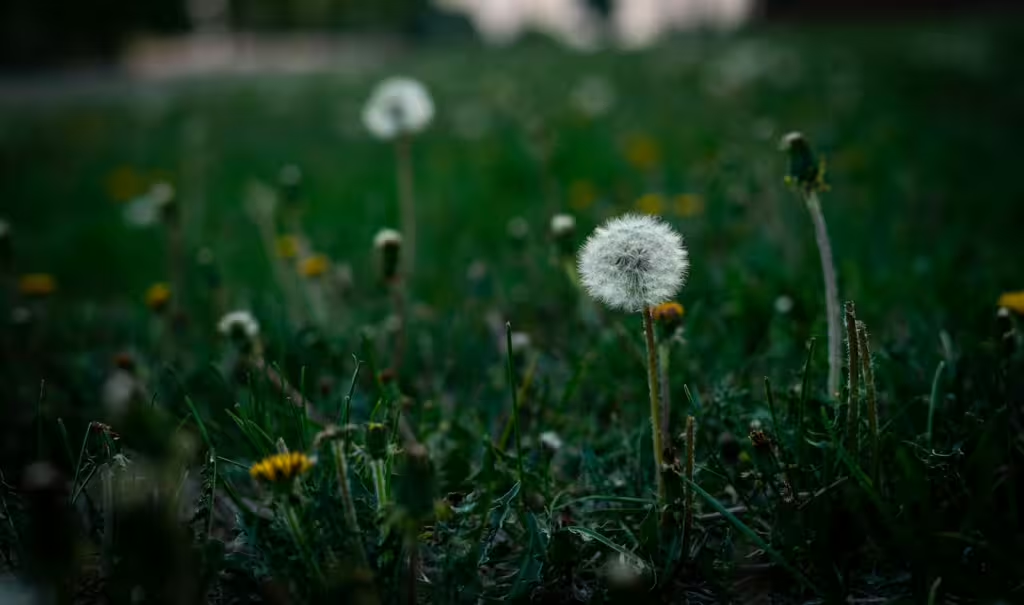

This week, we take a break from assorted fruits and veggies to talk about another humble section of the botanical family tree; flowers. There are some 400,000 different types of flowers out there in the world, many that most of our readers have never even heard of, let alone seen. We won’t be discussing those flowers; not right away anyway. Instead, we have decided to pick a flower that most people can find in their own backyards; the dandelion.
Now, most homeowners will see dandelions as little more than stubborn weeds. Frankly, it’s hard to argue against it, as many areas see these vermillion creepers invading our lawns and gardens with reckless abandon. The other half of the population doesn’t even notice them, because dandelions have become so ubiquitous as to be overlooked entirely. And yet, these fluffy-headed flowers are more than just everyday weeds.
In this article, we will discuss dandelions and why they even bear discussing at all! We will examine their appearance, important ecological roles, fascinating survival strategies, and the historical relationship humanity has with these humble flowers. So take some allergy med and pull up your socks, we’re about to head into the field to pick some dandelions!
What Makes a Plant a “Weed”?
For the purposes of this article, we framed the dandelion as a type of flower, not unlike an orchid…which it is, but it is also a weed. When we hear the word “weed” there is a certain negative connotation attached to it. If you ever had to pull weeds as a chore when you were a child, you know exactly what we’re talking about. But I digress, the word weed itself is not actually a scientific classification. Instead, it usually refers to any plant growing where humans do not want it to grow.
Regardless of the fact that gardeners can’t stand them, many weeds are actually quite successful at the survival game. This is because they are fast-growing, hardy, and quite adaptable. This combination of traits allows weeds to thrive in areas that are affected by human activity; areas where the soil or ground has been disturbed in some way. Lawns, roadsides, gardens, and urban spaces are all perfect homes for these specialized survivalists.
The Dandelion: A Master of Survival
The dandelion is one of the most recognizable plants in this category and frankly, one of the most recognizable weeds in the world. This global suitability is partly because the dandelion’s life cycle is remarkably efficient.
Bright Yellow Flowers
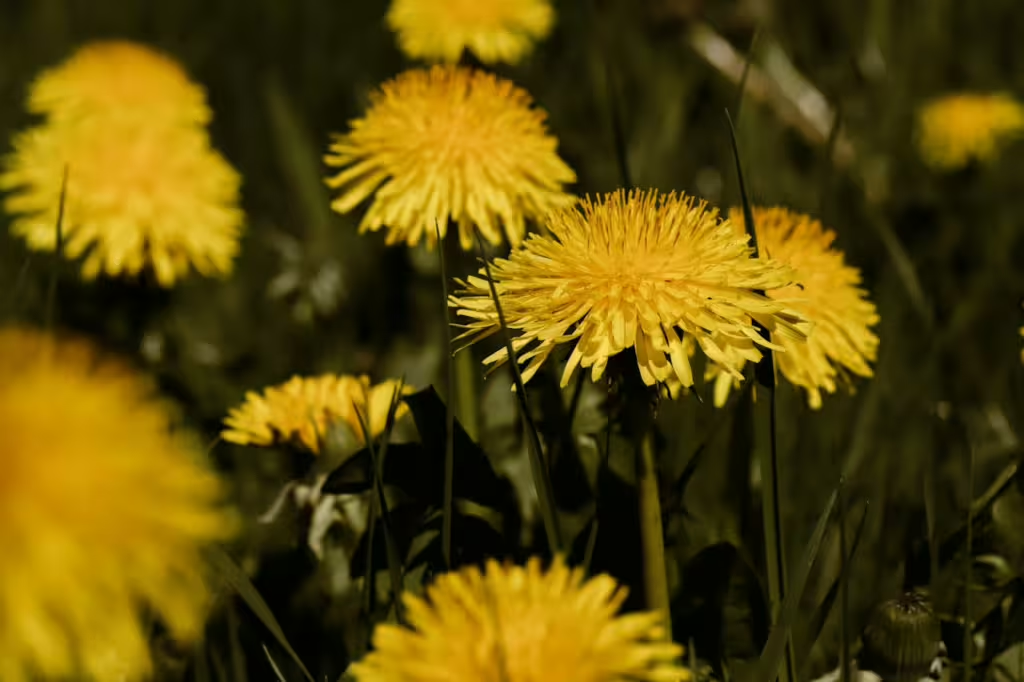
We’ve all seen how dandelions can produce vibrant yellow flowers. These flowers are fragrant and eye-catching, especially to certain bugs. Thus, they attract pollinators such as bees, flies, and butterflies. They also bloom early in the season, providing vital nectar to those pollinators at a time when few other blooms are competing for the attention of those little buggers.
The Famous Seed Head
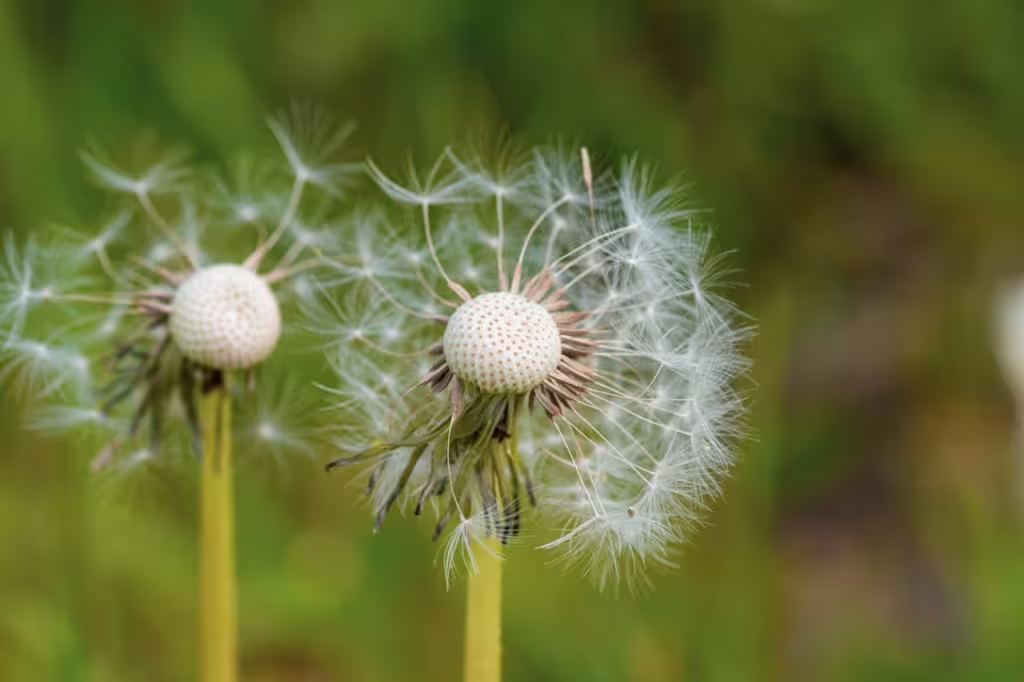
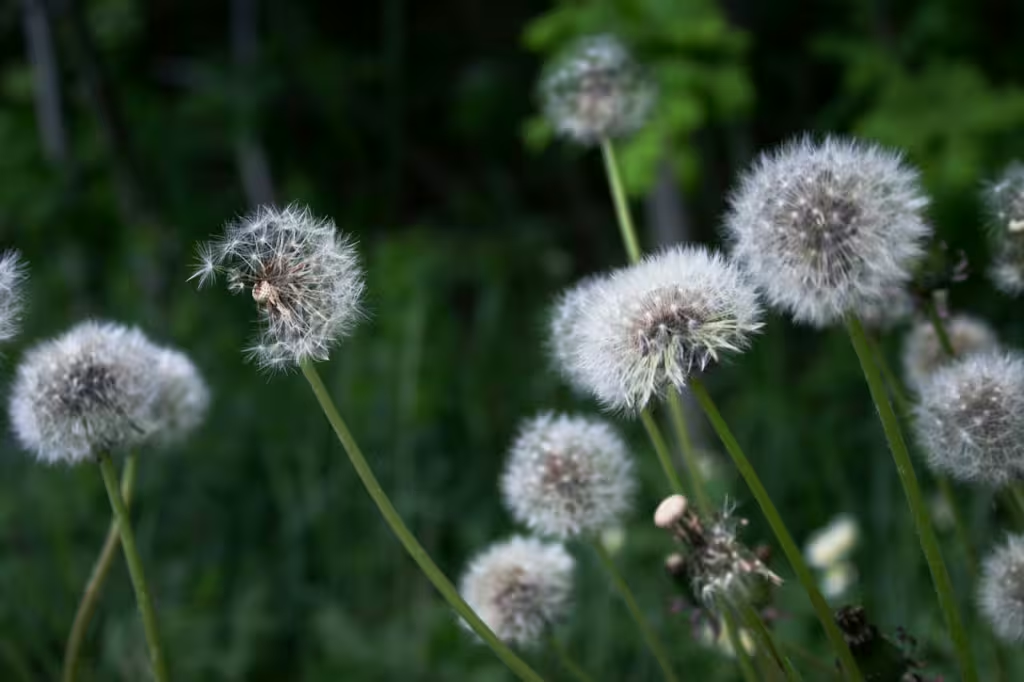
After they’re done flowering and suckering in their bevy of buggy pollinators, dandelions form their iconic white seed balls. Each seed is attached to a parachute-like structure that allows it to be dispersed upon the wind.
Like most of what a dandelion does, this system is highly-efficient and helps the flower to spread its seeds, even across large distances. A single plant can produce hundreds of seeds, contributing to its success and its widespread nature. It is said that a single seed can spread out as far as 32 feet from its parent plant.
Deep Taproots
In addition to their attractive blooms and highly-mobile seeds, dandelions also possess strong taproots that can store nutrients for a long while. Those long-range roots can also access water deeper underground than non-weedy plants. Those roots also allow the plant to regrow fairly quickly even if half of them is plucked up for a kid to “blow a wish.” It’s hard to yank a dandelion out fully, as even small root fragments may end up regenerating into new plants.
Clover: The Soil Builder
Another familiar lawn plant…er wee, is the White Clover. Though often treated as most weeds are treated, clover plays an important ecological role. It can help work with bacteria in the soil to convert nitrogen from the atmosphere into a more usable form by plants. This improves soil fertility in a natural way and can help neighboring plants to grown more effectively.
Clover flowers also attract bees, butterflies, and other pollinating insects. In fact, some clover-rich lawns in certain areas have been known to bolster pollinator activity and help local plants or crops to grow more efficiently as a result.
Plantain: The Tough Survivor
Broadleaf Plantain is another common garden weed that is highly adaptable, particularly in areas where the soil is highly-compacted by foot traffic. The low-growing leaves are hardy as heck and can resist damage from walking and even mowing, allowing them to do quite well in urban and suburban areas. Humans have taken advantage of this availability and have used the leaves in herbal practices to heal skin and minor abrasions.
Why These Plants Thrive
In general, most weeds succeed because they are perfectly adapted to human-altered environments. In the same way that cats and dogs have done well through their domestication, weeds do better when humans are nearby. As a group, they often share traits such as fast reproduction, tolerance for poor soils, and flexible growth and propgation strategies. Lawns, roadsides, lots, and gardens create ideal conditions for species that are able to colonize open ground quickly. This is why we often refer to weeds as ecological opportunists.
Human Relationships with Weeds
Throughout history, many weeds were intentionally cultivated or tolerated because humans used them for food, medicine, or something their tamed animals could graze upon. Dandelion leaves are still eaten in salads today and their roots have been roasted to flavor beverages from time to time. Clover, meanwhile, can support pollinator activity and can be used in grazing systems for sheep and cows.
True Investigator Says…
As you can see, whether you find them growing in cracks in sidewalk or in an open meadows, these flowers are hardier than most plants of their ilk. Consummate survivors, they can thrive where few others can. The truth is, weeds like these form an overlooked layer of biodiversity that supports insects, enriches soil, and adapts to to an ever-changing environment with incredible success.
Dandelions and other everyday weeds may seem ordinary, but they are true examples of what can happen when a plant defies all logic to become an essential piece of the environmental puzzle. They are small, powerful, beautiful symbols of resilience and we ought not pluck them haphazardly.
Discover more from TrueInvestigator
Subscribe to get the latest posts sent to your email.