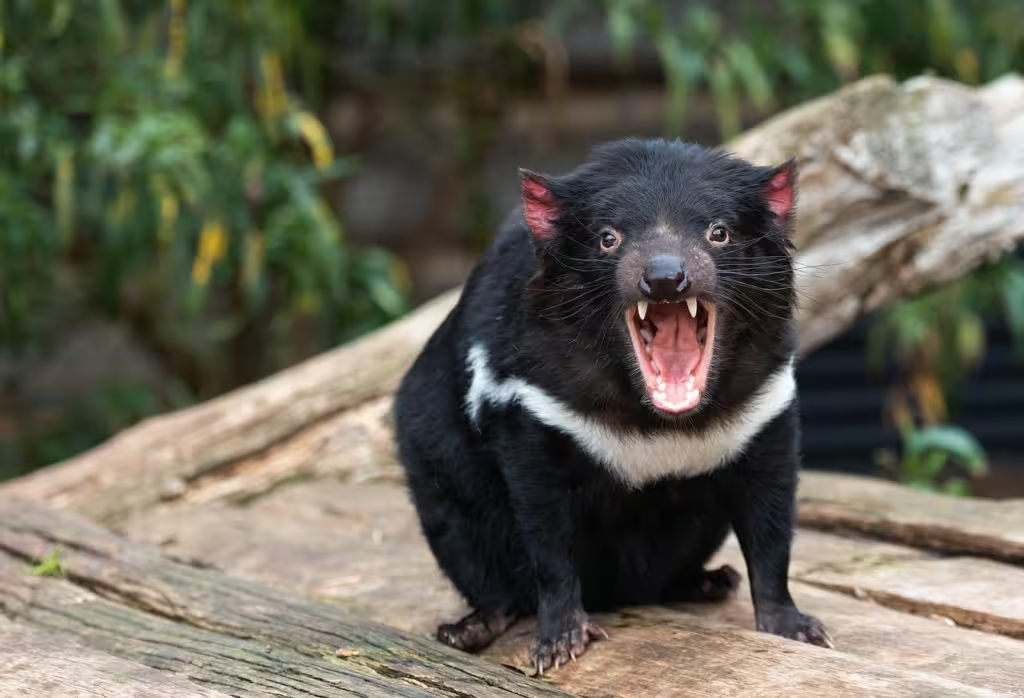

On the island of Tasmania, just south of mainland Australia, lives one of the world’s most unusual carnivorous animals; the Tasmanian devil. The thing is, few of us would recognize a Tasmanian devil if we actually saw one. We can blame this on Looney Tunes, whose eponymous devil, Taz, looks and sounds very different than the actual animal. The cartoon and the marsupial do have one major feature in common, however, namely, their sometimes alarmingly aggressive behavior.
Real Tasmanian devils are possessed of powerful teeth and jaws, known to emit loud, fearsome screeches, and exhibit fierce feeding behavior. Like wolverines, Tasmanian devils are relatively small but quite formidable. Unfortunately, formidable thoughn they might be, they are not immune to the ravages of disease; especially if that disease affects their species, specifically.
Sadly, recent decades have seen the Tasmanian devils facing a threat unlike any other in the animal kingdom; a contagious cancer known as devil facial tumor disease (DFTD). This disease has dramatically reduced populations of a once-flourishing island predator and raised urgent questions about their continued survival.
In this article, we will discuss Tasmanian devils in general, but we will also examine the origins, symptoms, and devastating effects of devil facial tumor disease. Finally, we will explore how this novel malady is influencing scientific exploration and spurring researchers and conservationists into action so that they can find a potential cure.
A Unique Marsupial Predator
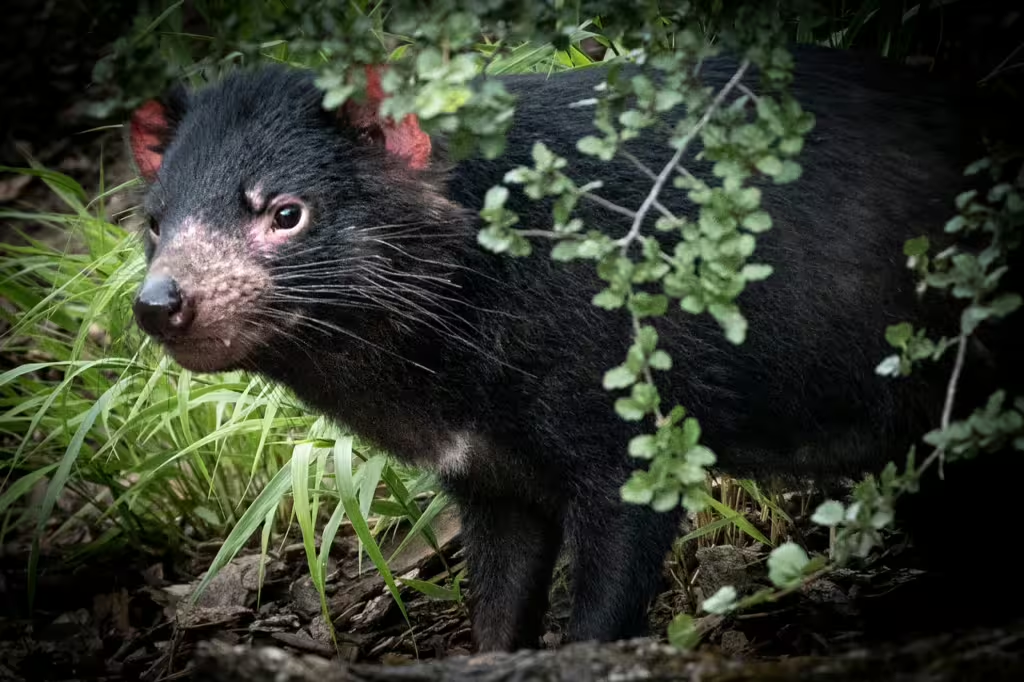
Tasmanian devils might be relatively small, compared to say super predators like polar bears and lions, but they are the largest carnivorous marsupials in the world. As befits a critter of their stature, they are primarily scavengers, which means they feed mainly on dead animals, but that does not mean they are not also capable hunters.
As a scavenger/predaror, the devil’s role in the ecosystem is fairly essential. By consuming carcasses, they help prevent the spread of disease, aid in nutrient cycling, and thereby maintaining the ecological balance. When they do deign to hunt, they help to regulate the populations of smaller creatures. Despite what Warner Brothers says about their behavior, and also despite their intimidating name and vocalizations, Tasmanian devils are generally shy and actively avoid human contact whenever possible.
The Emergence of a Deadly Disease
In the mid-1990s, scientists began noticing something strange happening to the Tasmanian devils. Some specimens were showing up with unusual growths on their faces. These tumors were forming around the mouth and head, interfering with their ability to eat, and thus leading to their eventual death via starvation. They named the malady as devil facial tumor disease (DFTD), and soon found that this exceptionally rare type of cancer actually spread between individuals. That’s right, unlike most cancers, which develop within a single organism, DFTD was found to be transmissible.
How Does a Cancer Spread?
Some readers may be wondering, how does a cancer spread in the first place? Well, in the case of the Tasmanian devils, DFTD spreads through direct contact, most often during biting. Remember before when we spoke about aggression? Well, Tasmanian devils are biters from the word go and frequently bite each other during feeding, fighting, and even mating.
At this point, the transmissible nature of DFTD becomes clear. When an infected devil bites another, cancer cells are often transferred into the wound, when then grow into new tumors in the new host. This makes DFTD one of the few known contagious cancers in the natural world.
Why Are Devils So Vulnerable?
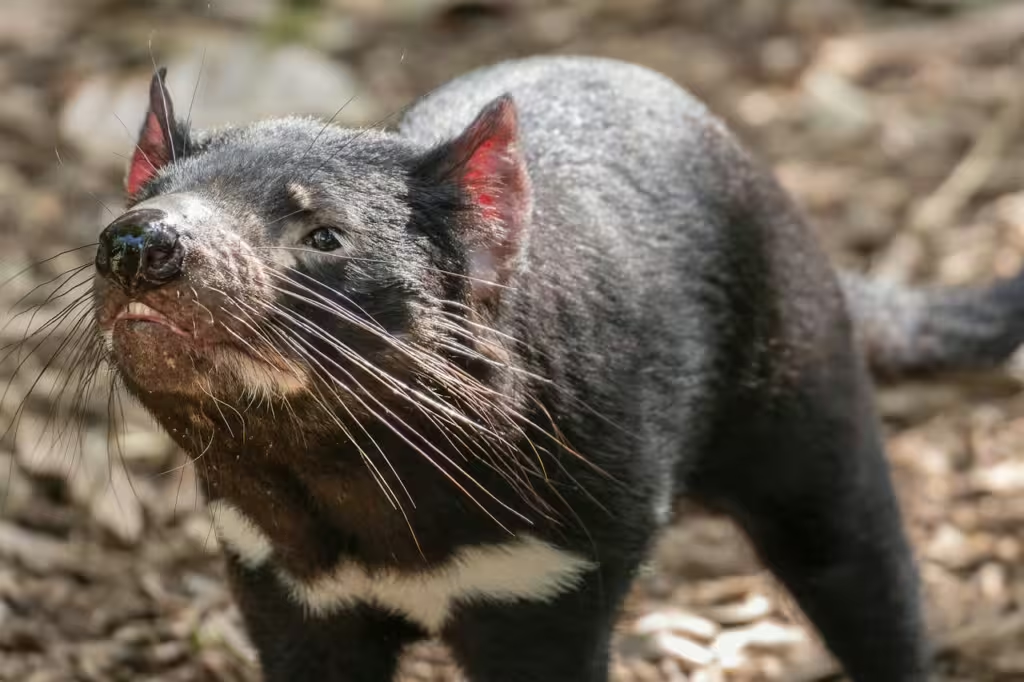
Besides the propensity for biting, one of the reasons DFTD spreads so easily within the Tasmanian devil population is due to the low genetic diversity of the species. These are animals that live in one place on Earth and the limited genetic variation among them has rendered their immune systems incapable of recognizing the tumor cells as foreign. As a result, the cancer is not effectively rejected by the host upon infection.
In most animals, the immune system would attack foreign cells. In devils, the tumor cells can go largely undetected, thereby allowing the disease to spread quite rapidly across the island.
Population Decline
Since the discovery of DFTD, Tasmanian devil populations have dropped more than 80 percent in some areas. That decline has had a ripple effect throughout the Tasmanian ecosystem at large. Fewer devils mean more carcasses rotting in the sun and the populations of other scavengers have increased. Corpse-born diseases of other kind are also at risk of spreading in the wake of fewer devils, which will impact countless other animals on the island.
A Race Against Time
Scientists and conservationists have been working tirelessly to understand and combat DFTD. They are studying the biology of the disease, monitoring populations, and developing strategies that will help them conserve the remaining devil population. This has proven pretty difficult, however, as controlling a disease that spreads through contact and combat isn’t exactly easy.
One of the main conservation strategies involves creating insurance populations through captive breeding programs in zoos and selected wildlife reserves. The goal in this method is to preserve genetic diversity enough so that the species doesn’t ever go extinct. Still, future reintroduction efforts will be needed to bring the wild population back.
Hope in Adaptation
Despite the severity of the disease, there are signs that Tasmanian devil populations may be adapting. Some individual devils have shown at least partial resistance to the disease, specifically in terms of slower tumor growth. This has resulted in a longer-lived, disease-free devil that natural selection might eventually favor. This suggests that the species may have the capacity to evolve in response to the disease.
True Investigator Says…
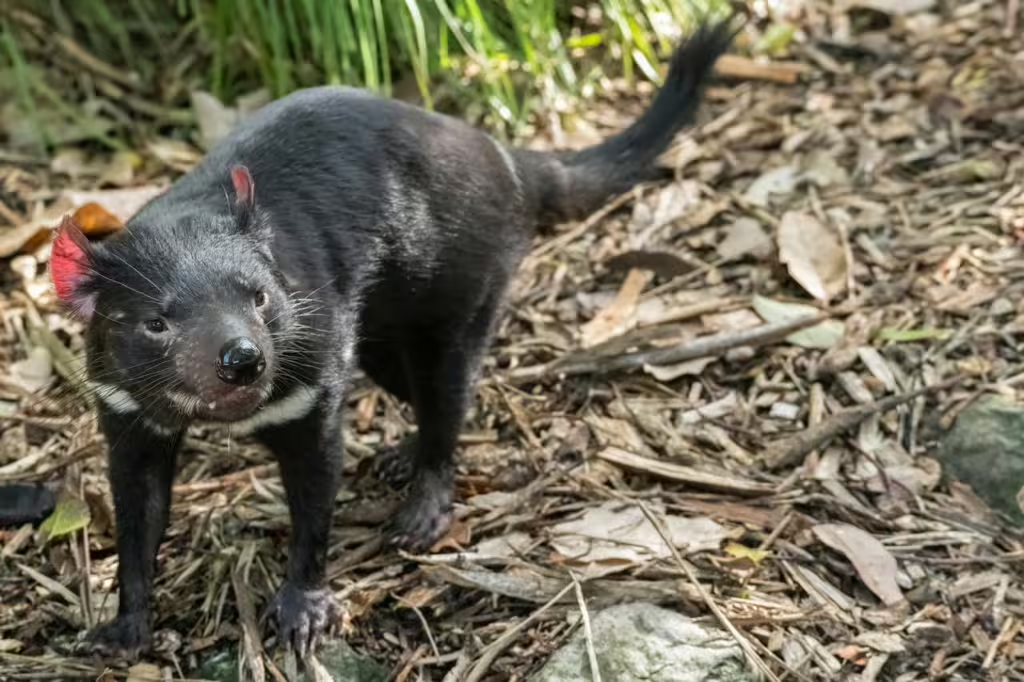
As you can see, Tasmanian devils are amazing, unique animals, but they are currently facing one of the most unusual and challenging threats in the natural world. DFTD has altered their population to a worrying degree and there is a concern that such a disease could spread to other, similar marsupials if it mutates. Still, the challenge they face has drawn the attention of researchers and scientific organizations looking to stem the losses and find a solution.
The hope is that the inherent potential for natural adaptation that lies within the Tasmanian devil will be enough to help them weather this storm. And even as the future of the Tasmanian devil is still being written, it reminds us that even in the face of extraordinary challenges, nature has an enduring capacity for recovery and change.
Discover more from TrueInvestigator
Subscribe to get the latest posts sent to your email.