
When we think of bats, our collective unconscious conjures images of squeaking, flapping masses of rodents emerging from dark caves beneath the earth. This isn’t an incorrect conjuration, mind you. Indeed, many bat species spend their daytime hours huddled inside subterranean lairs. When dusk falls, they emerge, taking to the skies en masse in search of insects and blood on which to feed; but not all bats are made the same way.
As it happens, the fruit bat side of the family has a slightly different way of doing things than their carnivorous cousins. Possessed of wide wings and keen senses, these nocturnal mammals don’t just pop out to flit around for a quick gulp of gnats, they glide across vast distances in search of their chosen meals, namely, fruit.
In this article, we will talk about these mysterious and misunderstood creatures. We will examine why fruit bats are a vital component of tropical ecosystems and one of that biome’s most important agents of renewal. The fruit bat’s critical role in seed dispersal and maintaining biodiversity cannot understated, and as you will see, without them, many tropical landscapes would struggle to recover after the constant disruption caused by human beings.
What Are Fruit Bats?
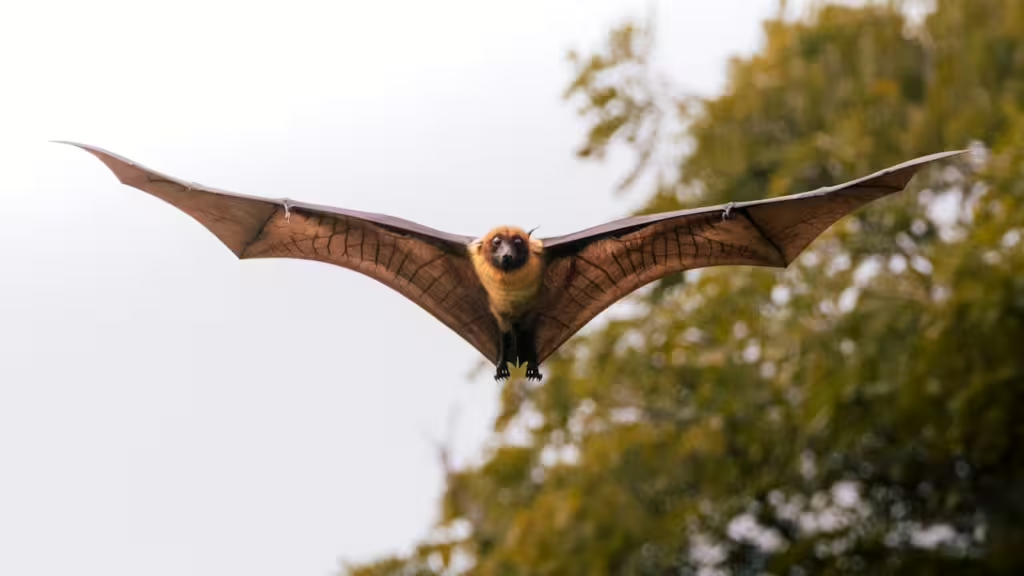
Fruit bats, sometimes known as megabats, belong to the family Pteropodidae. If that Latin name sounds familiar, it should, because it is the prefix attributed to the genus of flying dinosaurs known as pterosaurs. Considering how large some fruit bats can grow, the name seems appropriate. The bats can be found across Africa, Asia, Australia, and many tropical islands. They are generally larger than other bats, with some species having wingspans over five feet (1.5 meters). Many rely on strong vision and a keen sense of smell rather than echolocation.
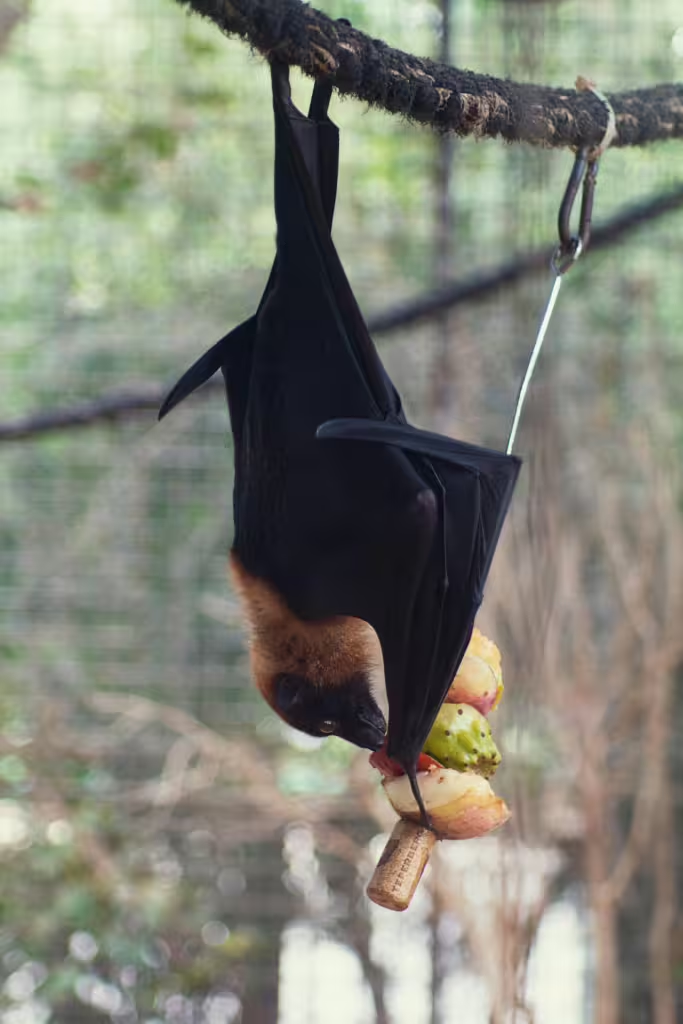
Unlike insect-eating bats, fruit bats primarily feed on fruit, though certain species will also eat nectar and flowers. These feeding preferences are why the bats are so essential within forest ecosystems. They are pollinators and seed dispersers all in one.
Eating Fruit, Spreading Forests
Fruit bat feeding habits have far-reaching effects. The bodacious bats can travel many miles in a single night looking for their favorite fruits. Their wide range means that they can carry fruit far from its original tree, thus dispersing the seeds and helping maintain genetic diversity across the breadth of the forest. As the consume the pulp and digest it, the seeds fall and/or are evacuated through their dung.
The Importance of Distance
Plants are not the most mobile of lifeforms, which is why most of them depend on animals to move their seeds away from the parent tree. Seeds that fall right at the roots of the tree often fail to get the right sunlight or nutrients they need to grow. They compete with the surrounding trees for such necessities and also are at higher risk for disease. Bats, birds, monkeys, and other animals that transport seeds to other areas increase the chances of those seeds growing into healthy, full-grown plants.
Forest Regrowth After Disturbance
Tropical forests are dynamic, complex ecosystems. This means that they are often affected by natural disasters like storms and fires. At the same time, human activities and habitat destruction wrought by logging and agriculture can cause great damage to huge swathes of forest. In either case, the disturbance of destruction of those areas can leave vast, open spaces where new plants need to take root and grow.
Fruit bats are a vital part of this regrowing process, because they disperse seeds into these spaces. Quite often, the plants they feed on are actually fast-growing species that can quickly establish new vegetation. In time, the resultant new forests become hotspots for biodiversity.
Nighttime Gardeners
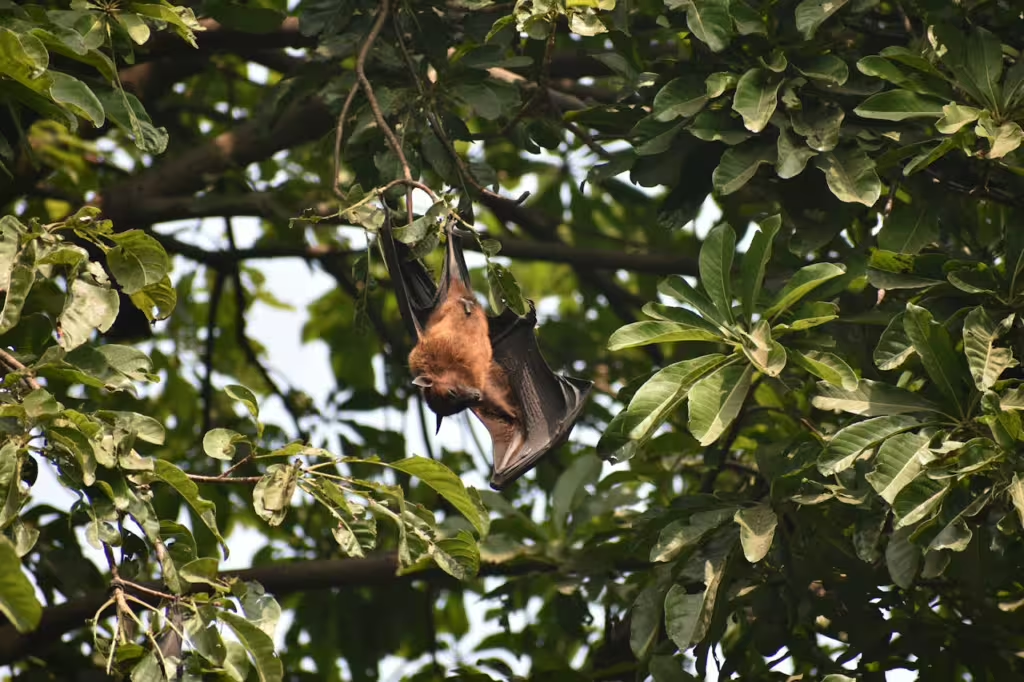
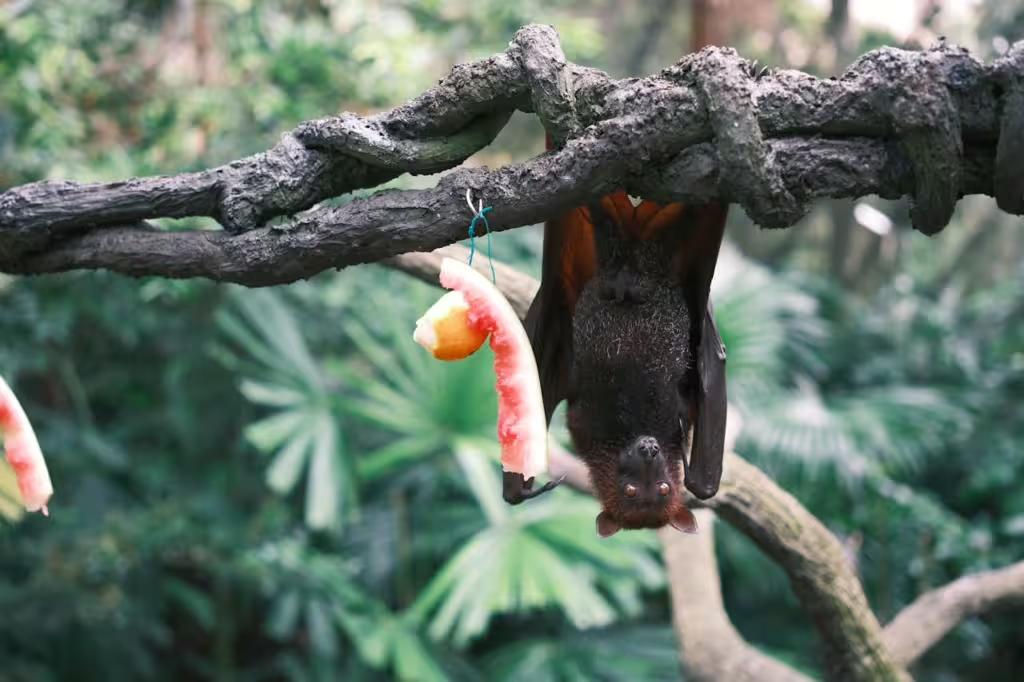
Fruit bats, like most bats, are most active at night. This nocturnal behavior is by design, as it grants them access to resources that daytime animals don’t necessarily use. By foraging at night, they avoid competition with birds, can travel safely across open areas of sky without attracting predators, and can visit multiple feeding sites without being disturbed.
Pollination Partners
As we mentioned earlier, fruit bats are as much pollinators as they are seed dispersers. When they feed on nectar, they unwittingly transfer pollen from one flower to the next, thus enabling fertilization. Plants that bloom only at night depend on fruit bats to accomplish this and have evolved over time so that they are specially adapted for bat pollination. In fact, those bats have even evolved specific features that attract bats, such as strong scents, large, sturdy flowers, and more abundant nectar than is needed for small insect pollinators.
Seeds with a Head Start
Interestinly enough, seeds that have been dispersed by fruit bats often have an advantage over those that haven’t. Seeds that passed through a bat’s digestive system are free of fruit pulp and have been exposed to conditions in the bat colon that aid in germination. Bat droppings are also quite fertile and can help improve the soil the seeds eventually find themselves dropped into.
Challenges Facing Fruit Bats
Despite their importance, fruit bats face numerous threats from deforestation, hunting, climate change, and roosting sites. Some people even view fruit bats as pests, because they feed on cultivated fruit. Bats that wander onto agricultural land often find themselves shot down. Unfortunately, the only way to counter this type of behavior is to teach people about their importance.
Meanwhile, conservation initiatives to protect fruit bats are focues in preserving their natural habitats and protecting their remaining roosting sites. Additionally, some organizations have even begun planting native fruit species alongside popular farmed fruit to support the bats while still growing human food.
True Investigator Says…
As you can see, fruit bats might be unusual, but in many tropical forests, they are one of the main reasons that the forest can regrow from massive damage. Through seed dispersal and pollination, these amazing aerial animals help rebuild entire ecosystems and support the biodiversity within their home habitat.
Through their actions, fruit bats have more than earned the moniker of “flying gardeners.” Despite the best efforts of some caring conservationists, many of our planet’s most important species are in grave danger. In protecting fruit bats, we are not just saving a single group of animals, we are safeguarding the future of entire forest ecosystems.
Discover more from TrueInvestigator
Subscribe to get the latest posts sent to your email.