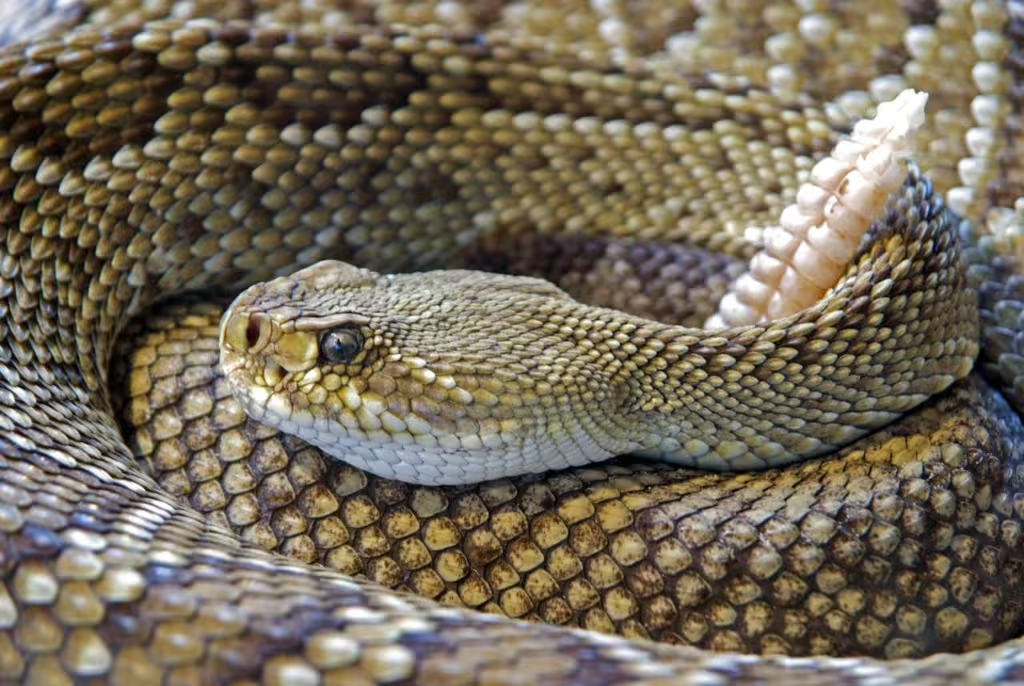

Do you hear that sound? That faint, eerie rattling coming from somewhere at your feet? That’s a sound that strikes terror into the hearts of animals and humans everywhere. There are few sounds in nature as instantly recognizable as that of the rattlesnake. And while the rattle itself is a warning, usually enough to send you carefully heading in the opposite direct, seeing the serpentine source of the rattle can often prove to be downright frightening.
Like cobras in India or Brown snakes in Australia, the rattler is the Americas’ iconic, venomous reptile. Yet, rattlesnakes are only one branch of a much larger family of snakes and this group of venomous reptiles has evolved in a multitude of different ways in order to help them survive in a diverse array of natural environments.
In this article, we will examine the rattlenakes that live in the Americas, but in order to understand them fully, it may help to view them as part of a wider network of related species across the world. Just remember to hitch up your heaviest boots, where we’re going, there be serpents.
What Makes a Rattlesnake Unique?
Vipers, cobras, constrictors; there are many species of snake out there in the world, many of them quite dangerous, though rattlesnakes are in a category all their own…or are they? We know that rattlesnakes belong to the genus Crotalus, their own branch of the serpentine gang. That said, they are also part of a larger group known as pit vipers.
Their defining features of the rattlesnakes are first, and foremost, their segmented rattle, located at the end of their tail. The rattle is made of keratin, the same material as human fingernails and rhino horns. When vibrated, it produces a rattling noise, which the snake is hoping will warn off any would-be predators. Conflict is not something the rattlenake wants, but if it does get into a scuffle it possesses a potent venom. This venom is located in their fangs andf they use it for hunting as well as defense. Like their fellow pit vipers, rattlesnakes also have heat-sensing pits located between their eyes and their nostrils.
Rattlesnakes of the Americas
Rattlesnakes are primarily found in North and South America and they are more than just the standard diamondback and timber varieties that most people are familiar with. Indeed, there is actually a wide variety of species across the continents, each one perfectly adapted to living in a different environment.
Western Diamondback Rattlesnake
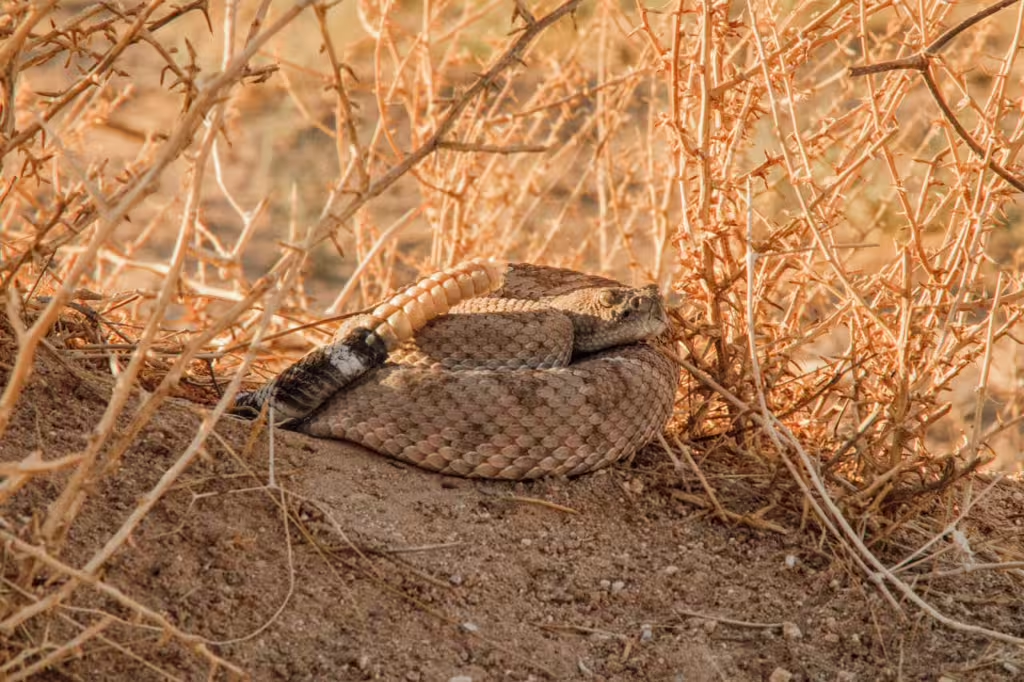
Perhaps the most well-known species is the Western diamondback. This snake inhabits deserts and grasslands of the southwestern United States and Mexico. It is highly adaptable and often associated with arid regions.
Timber Rattlesnake
Found in forests and rocky hills of the eastern United States, this species prefers wooded habitats and is known for its relatively calm behavior. That said, it will absolutely strike if an interloper pushes it to the limit.
Sidewinder Rattlesnake
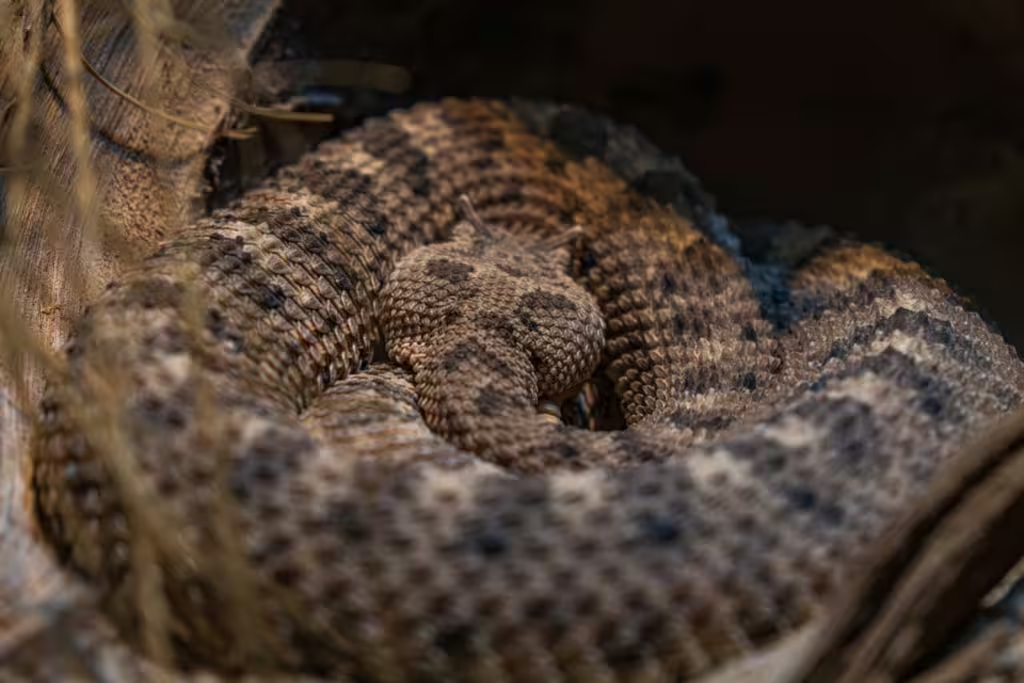
Adapted to desert life, the sidewinder uses a unique sideways movement to travel across hot sand, reducing contact with the ground and conserving energy.
How Rattlesnakes Hunt
Rattlesnakes might be loud when they want to warn off enemies, but they’re pretty silent when they’re on the hint. As ambush predators, rattlesnakes rely on a combination of camouflage, heat detection, and quick, precise strikes. Those heat-sensing pits we mentioned earlier? Those allow the rattlesnake to detect warm-blooded prey even in complete darkness. Once prey is located, the snake strikes with lightning-fast speed, injecting venom into their hapless prey.
The best part is, even if the prey animal does manage to wander off, the snake can still track them. After that, all it has to do is follow at a distance until the animal succumbs to the venom. This method is perfect because it minimizes any further risk of injury that might occur in a lengthly fight. It also helps the rattler to conserves energy, which is essential in times when food is scarce.
The Evolution of the Rattle
Interestingly, the rattle is fairly novel in evolutionary terms. The current prevailing theory is that it evolved as a purely defensive adaptation, allowing rattlesnakes to warn large animals, including humans, before resorting to a bite. It might seem unnecessary, considering the snake’s potent venom; which is both hemotoxic and neurotoxic. Nevertheless, the warning is as much for the rattlesnake as it is for the potential predator, as the reduced need to bite also reduces the likelihood of the snake being injured.
Global Relatives: The Pit Viper Family
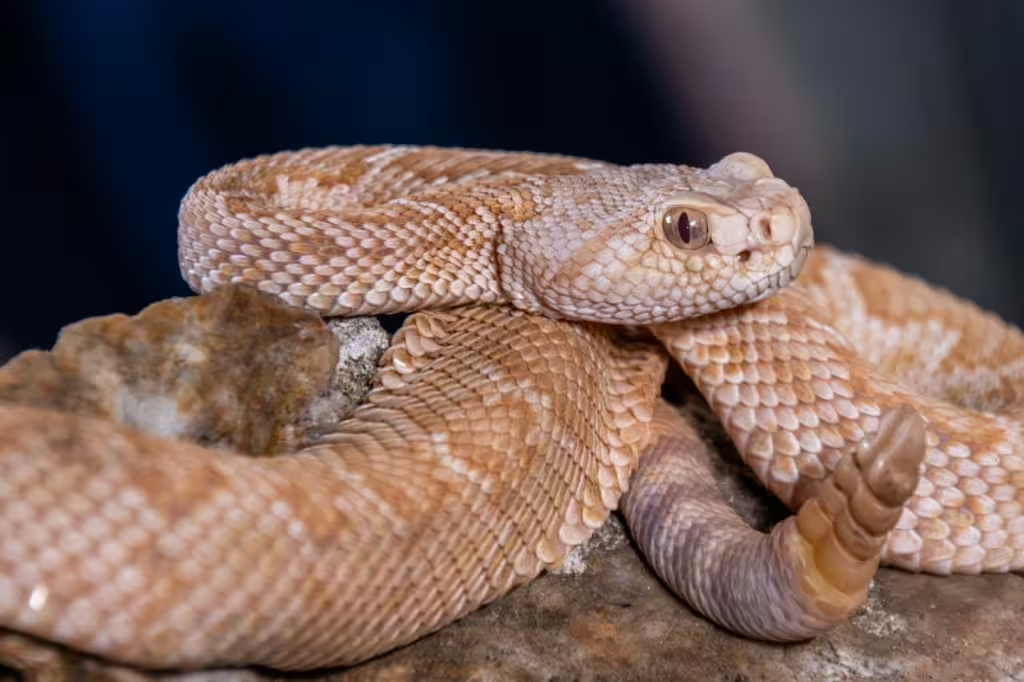
As we mentioned earlier, rattlesnakes are part of the pit viper subfamily, which includes species found across Asia, Europe, and the Americas. These couple relatives listed below show how similar traits, such as venom and ambush hunting, have evolved in different regions. Note that the snakes below is a very small sampling of the nearly 155 recognized pit vipers found in the world today.
Fer-de-Lance (Central and South America)
Hailing from South and Central America, this highly adaptable snake inhabits forests and agricultural areas. It lacks a rattle but shares similar venom and hunting strategies to their North American cousins.
Malayan Pit Viper (Southeast Asia)
A ground-dwelling species found in forests and rural areas, known for its camouflage and ambush hunting.
Venom: A Tool for Survival
Venom is often misunderstood as purely dangerous, but for snakes, it is a vital survival tool. Also, contrary to popular belief, baby rattlesnakes are not more venomous than the adults. Adults actually inject more venom per strike than babies, which ends up being far more dangerous in the short term.
The venom really serves two main purposes: it is used to subdue prey and begin the digestive process. Over time, different species have evolved different types of venom, depending on their diet and environment. Some examples of this are the fact that some venoms are more effective against mammals, where others are adapted to easily subdue birds or amphibians; it really depends on what the snakes like to eat and where they live.
Role in Ecosystems
Rattlesnakes and their relatives play important roles in maintaining the ecological balance of their home ecosystems. Like many predators, these serpentine hunters help control the populations of rodents, birds, and other small mammals within their habitat. In regulating these populations, rattlesnakes also help support the local plant life and reduce the spread of disease. Also, dangerous as they are, some birds of prey, coyotes, and other predators do hunt and kill rattlesnakes if the circumstances are right.
Misunderstood Creatures
Despite their ecological importance, people are justifiably skittish around rattlesnakes. Sadly, this fear has led to intentional killings, habitat destruction, and gross misunderstandings about the snakes and their behavior. By now, it should be clear that rattlesnakes prefer to avoid conflict whenever possible. That’s what the dang rattle is for, after all. In fact, most bites occur when snakes are accidentally disturbed or threatened by curious, uninformed humans.
True Investigator Says…
As you can see, rattlesnakes are more than just danger noodles. These are highly adapted predators that have found a unique place in the natural world. Moreover, their many relatives across the globe demonstrate similar evolutionary paths, even when the environment in which they live is so vastly distant.
Whether you hate or love these snakes, it’s important that we learn to understand them. Knowledge is the best way for us, as a species, to move beyond our fear and learn to appreciate rattlesnakes and their ilk for their many contributions to the natural world. At the same time, dear reader, our hope is that your newfound understanding will be enough to keep you safe should you encounter one of these beautiful but dangerous creatures in your travels.
Discover more from TrueInvestigator
Subscribe to get the latest posts sent to your email.