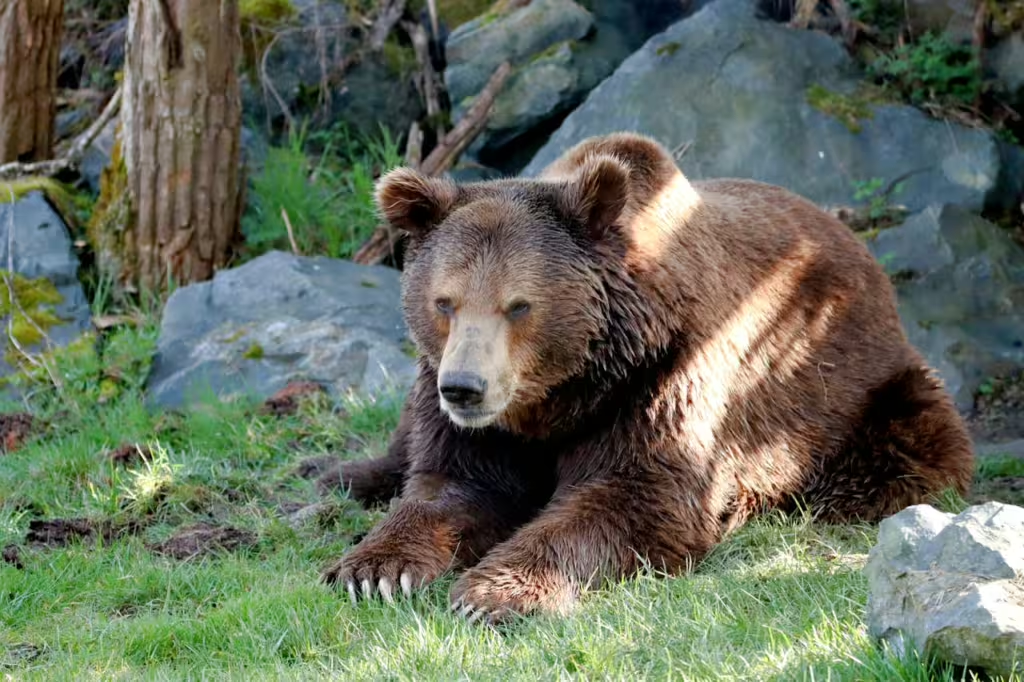

Many of us had teddy bears as children. These stuffed animals, named by famed conservationist/hunter, Theodore “Teddy” Roosevelt, were our protection, our playtime pals, or the comfort we needed to get to sleep at night. And while they may have been created to be harmless facsimiles of the real thing, the truth is that they are tiny representations of one of the largest, most powerful terrestrial predators in the world; the Grizzly Bear.
Grizzlies can be found all throughout North America, though they are most often found in the cooler, more temperate regions. Most can be found sauntering around the alpine meadows and dense forests, of the continent. To say that grizzly bears have a presence would be something of an understatement. These ursine brutes are strong, capable hunters that for many, are actually viewed as a symbol of the wilderness itself. And yet, beyond their size and strength, these iconic animals plays a far deeper role in the environment.
In this article, we will discuss how grizzly bears have earned their spot at the top of the food chain. At the same time, we will discuss how they, like elephants and beavers before them, are actually ecosystem engineers within their home ecosystem. The behaviors of these bears shape the land, influence plant growth, and support countless other species, and that makes them worthy of deeper examination; and greater understanding.
What Is an Ecosystem Engineer?
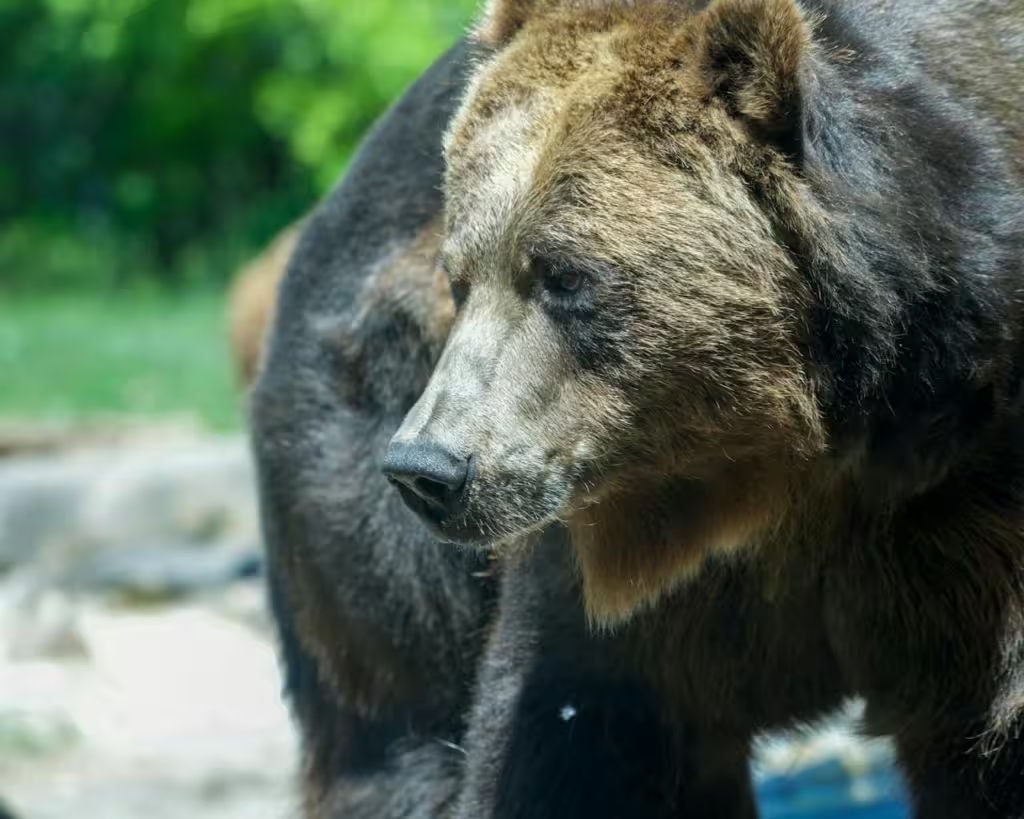
Longtime readers will be at least partially familiar with the term “ecosystem engineer.” This term refers to a species that physically alters its environment in ways that affect other plants and animals living in that ecosystem. Beavers, with their penchant for cutting down trees and building structures that reshape the rivers and shorelines of their habitat, are a good example of this.
Elephants are also ecosystem engineers, due to their size, appetite, and ability to root around with their tusks. landscapes. Yet, ecosystem engineers don’t have to be big or industrious, they can just be “going their thing,” day after day, and that can alter their habitat just as readily, Earthworms are a great example of this. They don’t take up a lot of space or affect other animals directly, except as food. And yet, their ability to filter and aerate the dirt, means better soil quality for all surround plants and animals.
Grizzly bears, meanwhile, influence ecosystems by disturbing soil and vegetation, redistributing nutrients, and directly influencing the populations of many different species of prey animal. It might seem subtle or even just a basic part of being an apex predator, but because of their large territories, that influence is quite widespread, and its effects can ripple across entire North American regions.
The Grizzly’s Omnivorous Diet
Grizzly bears might have teeth and claws, but that doesn’t mean they eat meat exclusively. Like many bears, grizzlies are omnivorous, meaning they eat both plants and animals. Much of this has to do with seasonal food availability, so their diet changes with the seasons. Grizzlies have been known to dine on large and small mammals, berries, fruits, roots, grasses, insects, and fish. Their favorite in this latter category is salmon, and grizzly bears have been known to gather in large groups during salmon spawning season to catch the fish as they make their way upstream from the sea.
Nutrient Transport from Rivers to Forests
One of the most important ways grizzlies shape ecosystems is through their role in nutrient transport. This function, interestingly enough, also ties back to their appetite for salmon. As grizzlies catch the spawning salmon in rivers, they then carry them off into nearby forests to eat. They leave behind much of the skin and bones when they’ve finished and when these leftovers decompose, they release vital nutrients into the soil.
These nutrient compounds, originally from the ocean, enrich forest ecosystems and support plant growth. In fact, studies have shown that trees near salmon-bearing streams can grow larger and healthier because of all the fish bones at their roots. And all of this can be linked to the pescatarian penchant of the grizzly bear.
Digging and Soil Aeration
Grizzlies often turn over the soil in search of roots, bulbs, and small animals. This digging not only mixes and aerates the dirt, it can create better growing conditions for surrounding plants. In addition, grizzly digging can also creates microhabitats where seeds can settle and germinate, and small animals can burrow and raise their tiny families.
Seed Dispersal Across the Landscape
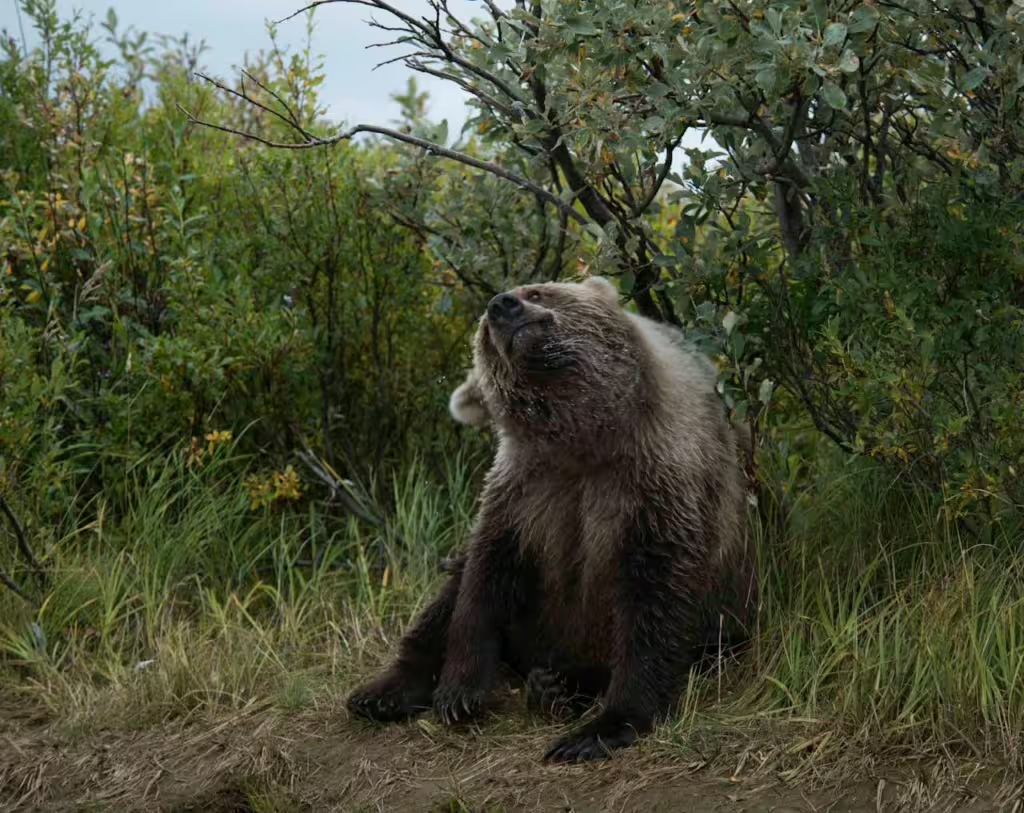
When grizzly bears eat fruits and berries, they also consume seeds, which they then defecate in other locations as they make their way through the forest. Birds and monkeys do this in tropical regions as well, and the behavior helps to promote genetic diversity among local plant populations, as well as supporting the regeneration of the forest in areas that might not be so close to the original plant. Considering how vast grizzly territories are, they often disperse seeds very far from the original plant.
The Importance of Grizzlies in Healthy Ecosystems
Because they require large territories and diverse food sources, a grizzly bear’s survival depends on it having access to miles of intact, functioning environment. Unfortunately, these bears and so many others face several threats from human beings. Habitat loss and fragmentation, pollution/littering, climate change, reduced salmon populations, and conflicts between humans and wildlife, have done a number on grizzly bear populations.
Conservation and Coexistence
In previous decades, efforts to protect grizzly bears were slow going, but their popularity has certainly helped them to gain a bit more help in modern times. Current efforts towards conservation involve collaboration between governments, scientists, and communities, but coexistence is the key to their longterm survival. To this end, many conservation organizations have created wildlife corridors and helped to educate locals about bear safety, keeping their distance, and cleaning up after themselves while camping.
True Investigator Says…
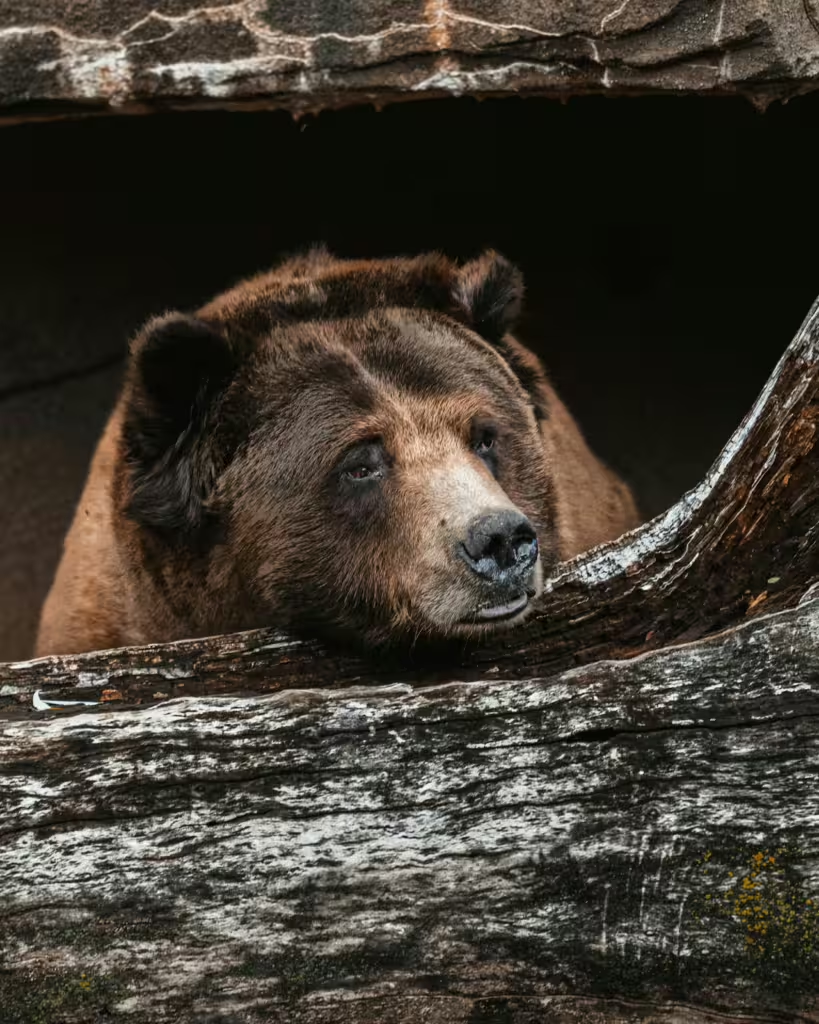
As you can see, grizzly bears are nothing like the cuddly plushies we grew up with. These massive apex predators are some of the most feared carnivores to ever roam the North American continent. And yet, fearsome though they might be, their mere existence helps support plant growth, redistribute nutrients, and create opportunities for other creatures to flourish.
Just as the teddy’s presence enriched our childhoods, the presence of the genuine article enriches ecosystems. The mere fact that these bears exist makes their habitats that much more resilient and diverse, which is why protecting grizzly bears isn’t just about preserving a single species; it’s about safeguarding the intricate web of life they help sustain.
Discover more from TrueInvestigator
Subscribe to get the latest posts sent to your email.