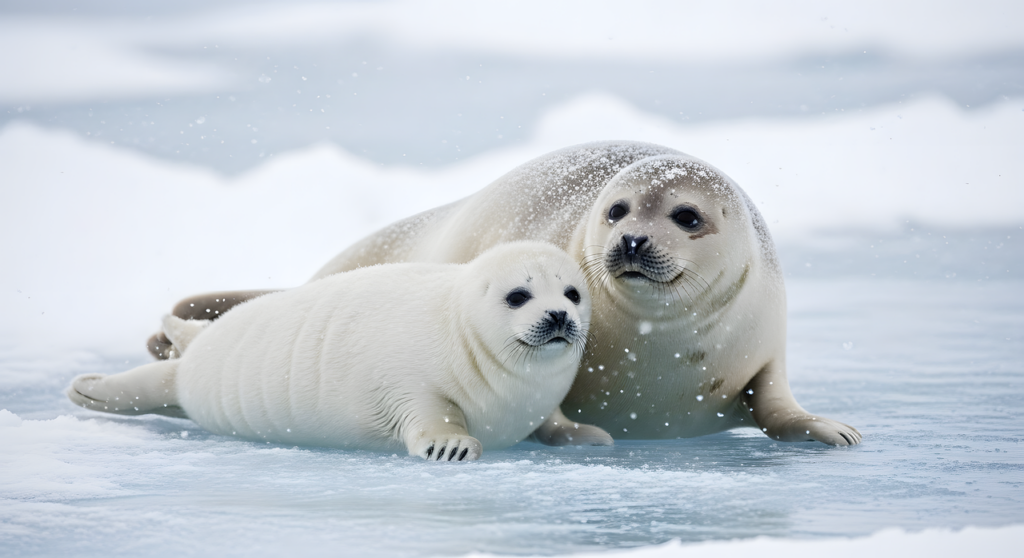

We’ve been to the frozen Arctic before. We’ve taken deep dives into frigid seas in search of some of the largest and smallest sea creatures in the world. We’ve traveled across the frozen tundra, following the hunting patterns of fearsome ursine predators. And today, we stand upon frozen blocks of floating ice to learn how some species of seals are able to survive and even thrive in waters that are far below freezing.
Arctic animals possess some of the most astonishing adaptations in the animal kingdom. And seals, whether they hail from the Arctic or the Antarctic, have evolved in remarkable ways. Allowing them to live, hunt, and raise their young in some of the most extreme environments on the Earth. How does a warm-blooded creature survive in such a frigid place? That’s what we aim to explore.
In this article, we will examine why seals are perfectly equipped for life in icy waters. We will explore the shapes of their bodies, their senses, diets, and behavior; and how all those factors contribute to their success as awesome arctic animals.
Life at the Edge of Ice
Seals inhabit some of the coldest regions on the planet. They can be found in the Arctic Ocean, Antarctic coastal waters, and along frozen shorelines. There are even some seals that live in the middle of ice floes and ice-covered seas. Between the frigid temperatures, strong winds, and endless expanses of ice, it’s hard to believe that any warm-blooded animal might choose to live there. That’s without even mentioning the constantly shifting weather conditions and the uncertainty of finding one’s next meal.
Despite everything, seals have managed to navigate this freezing life with aplomb. They can adapt not simply by virtue of their body fat, shape, or diet, but due to a combination of physical, behavioral, and physiological strategies.
Blubber: Nature’s Insulation Layer
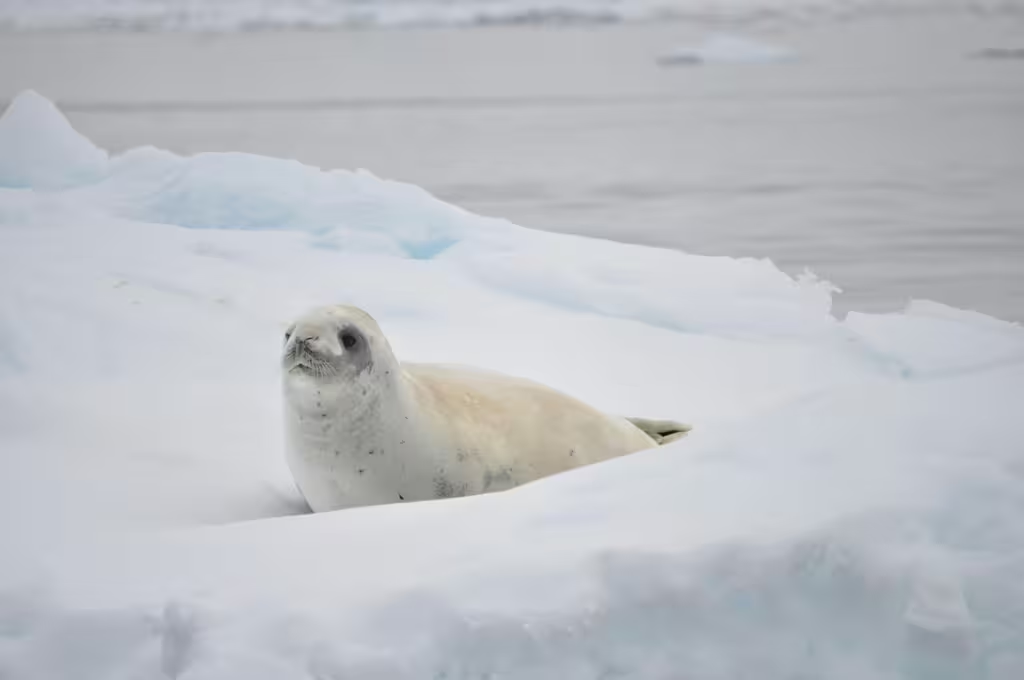
Seals most effective adaptation for living in the freezing is that they are, for lack of a better word….thicccc. We joke of course, but the reason that Arctic seal species are so rotund is because they possess a thick layer of blubber. This dense layer of fat beneath the skin serves a few critical functions. It keep the seal insulated, trapping warmth close to the animal’s body and reducing heat loss overall. It also helps to keep them buoyant enough to float and move more efficiently whenever they are in the water.
Finally, blubber is a great place for seals to store excess calories, allowing them to reserve their energu when food is scarce. Some species of seal possess blubber that is several inches thick, which helps them survive in near-freezing water that might otherwise send other mammals into severe shock. It should be noted that blubber works differently as an insulator than fur. Where fur can lose its insulating value when its wet, blubber works on land just as well as it does in water.
Streamlined Bodies for Efficient Swimming
Seals, by virtue of their wholly unique body shape, are built for a life in the water. A seal’s body is streamlined to reduce resistance as they swim through the icy sea. This allows them to conserve energy and travel long distances, as well as dive deep in search of food. Seal flippers also act as powerful paddles that help them navigate effortlessly through the water. The energy they save by being buoyant, efficient swimmers? They use to help generate body eat. This type of energy conservation is essential in cold environments, where maintaining body temperature requires constant effort.
Circulatory Adaptations: Keeping Warm Where It Matters
In addition to their blubber and their streamlined shape, seals actually have specialized circulatory systems that help regulate body temperature. Their circulatory systems use something called countercurrent heat exchange, in which warm blood flowing from the body core passes close to cooler blood returning from the extremities. This allows heat to be transferred internally rather than lost to the environment. The end-result is that their vital organs stay warm and heat loss in their few extremities is minimized.
Thick Skin and Fur
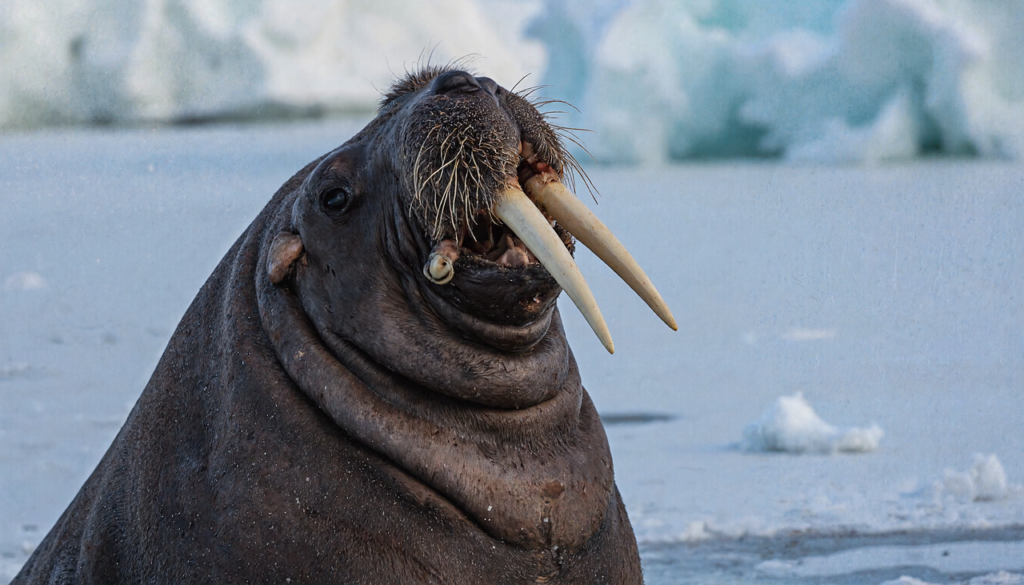
While blubber provides the primary insulation for their bodies, many seals also have thick skin and, in some species, a layer of fur. Seal pups, in particular, are often born with soft, dense coats. These are the adorable white pups we see in all the nature photos. This downy coat isn’t just to keep them cute, it actually helps protect them from the cold. Eventually, they eat enough to develop a full layer of blubber as they age, but they retain some fur to aid in heat and energy conservation.
Behavior: Staying Smart in the Cold
Seal behavior also plays a crucial role in how they survive the extreme cold. They take time to haul themselves out onto ice floes or chilly shorelines, allowing them to dry off and rest while they conserve heat. They will also group together in large gatherings, reducing overall exposure to wind and keeping each other warm through massive insulation. Seals are also smart enough to be mindful of the cold and extreme weather patterns, adjusting their feeding, breeding, and swimming behavior to meet the challenges posed by the altered conditions.
Challenges in a Changing Climate
While seals are well adapted to cold environments, the constantly changing climate of the modern age poses new challenges. Rising temperatures affect not just their food supplies and prey distribution, but their breeding habitats, and the availability of sea ice; which they need to take respite from the cold waters of the Arctic. That ice is also needed for some species to raise pups and the loss of this stable place to rest can mean fewer breeding opportunities for many seal species.
Ans while current conservation efforts are focused on understanding these impacts and protecting critical habitats for Arctic seals, broader change on a global scale is needed to make a real difference in the long-run.
True Investigator Says…
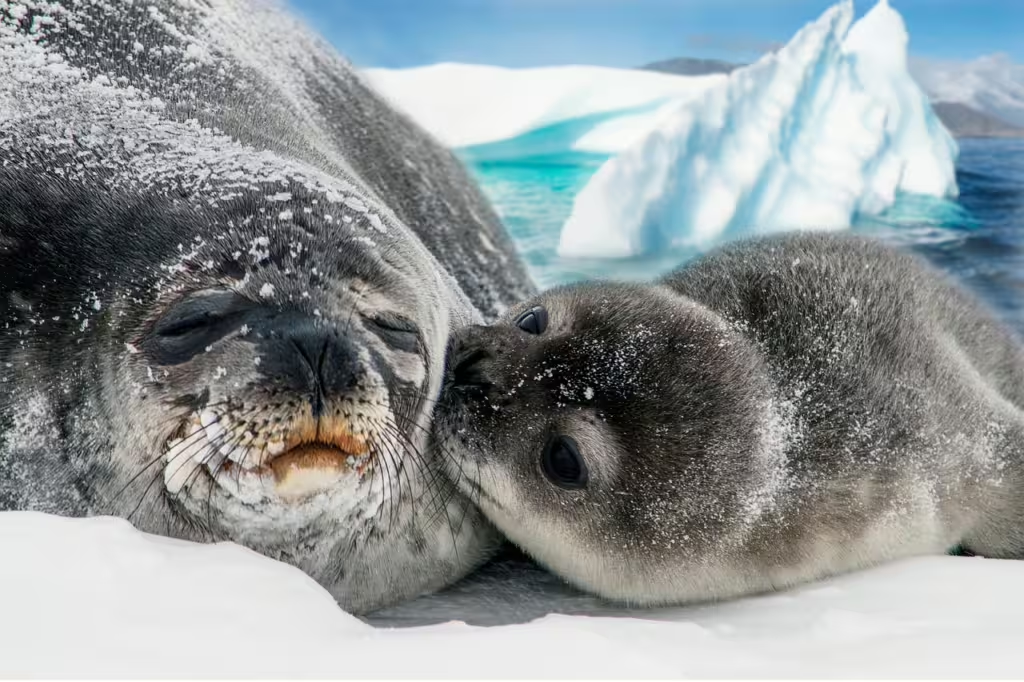
As you can see, seals aren’t just adorable and fearsome in equal measure, they are masters of resilience, adaptation, and precision. Every aspect of their biology, from their insulating blubber to their diving abilities, reflects millions of years of adaptation. These are animals that, despite the ice, snow, and lack of quadrupedal movement, manage to navigate waters and a lifestyle that would challenge or kill many other mammals.
As time goes on and we continue to study and protect these animals, we gain not only a deeper understanding of their world, but also a greater appreciation for the delicate balance that allows life to flourish in even the most unforgiving conditions.
Discover more from TrueInvestigator
Subscribe to get the latest posts sent to your email.