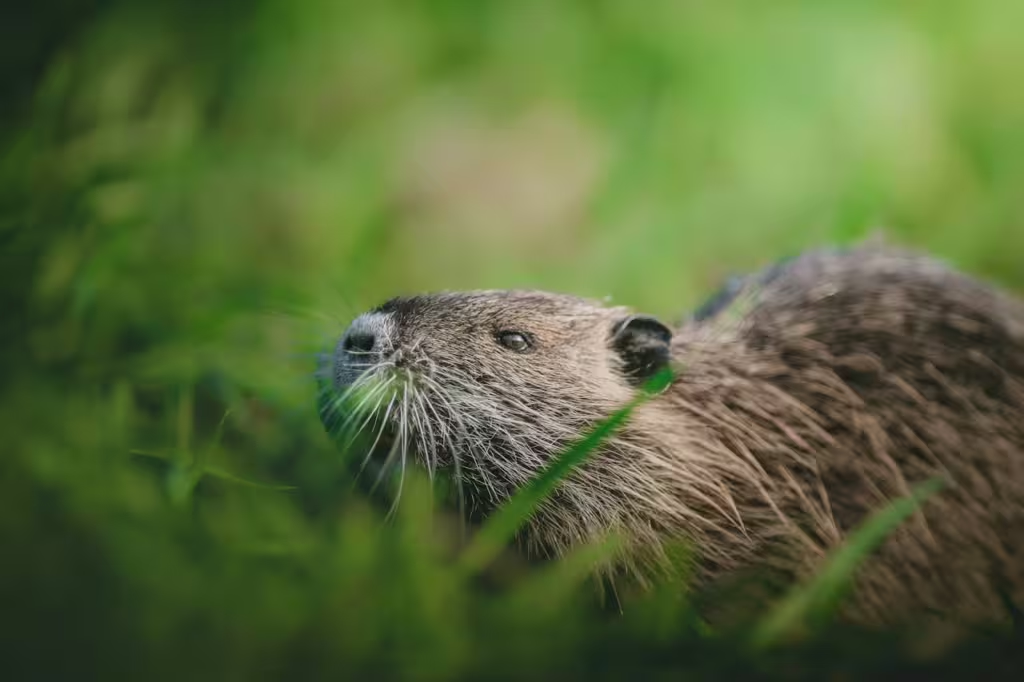

If a tree falls in the forest and no one is there to hear it, does it make a sound? This is a question that has confounded and enlightened philosophers for centuries. The beavers, however, have known the answer all along; mainly because they might have been the ones felling the tree in the first place.
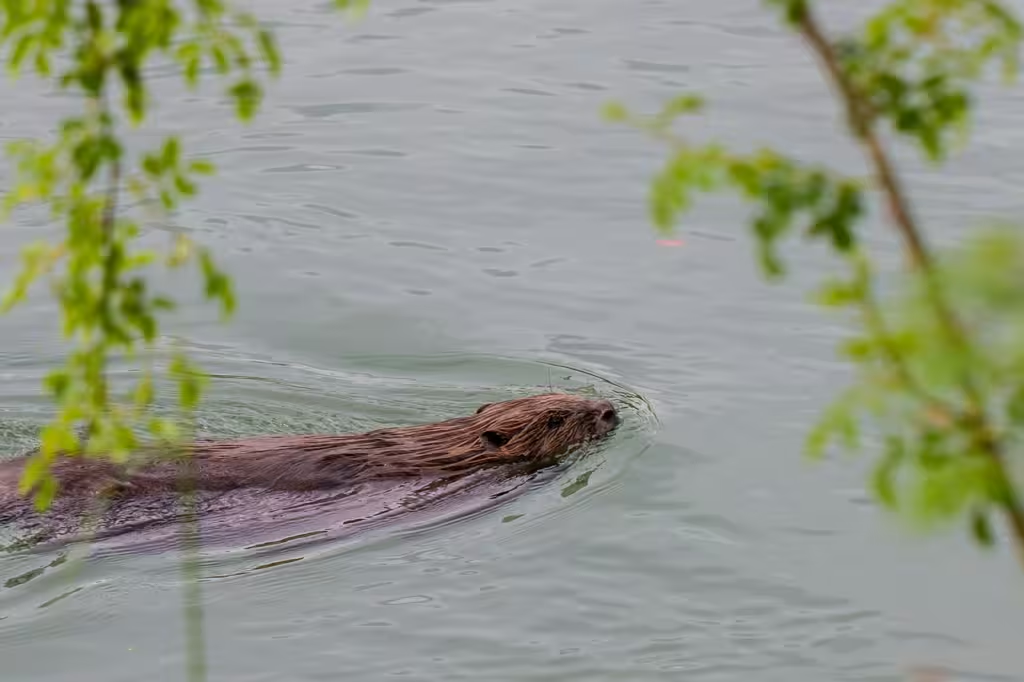
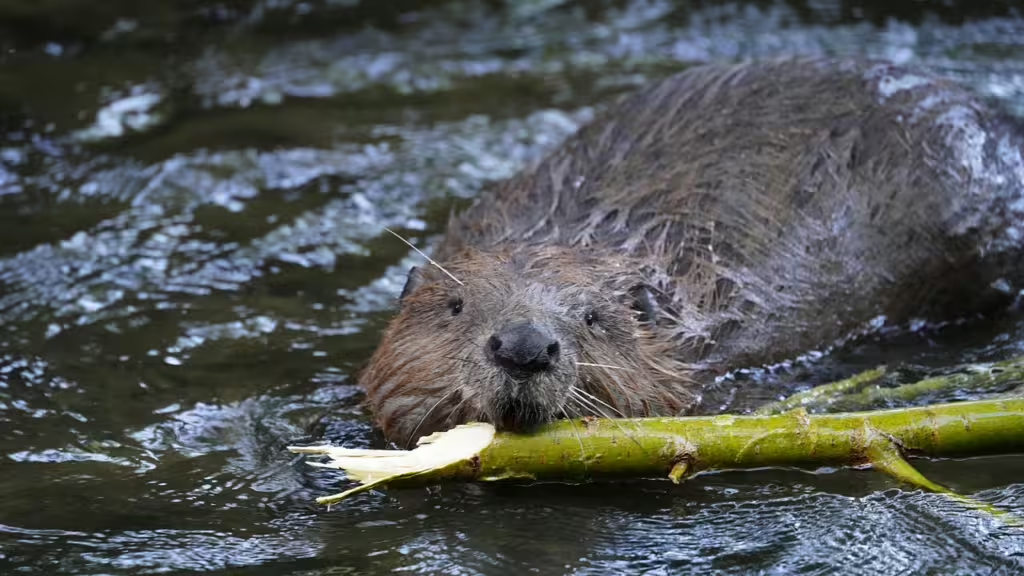
If one were to stand alongside the banks of a river or stream in North America, Asia, or Europe, one might be fortunate enough to catch a rare glimpse of a strange sight; that of a small, furry critter swimming through the water with a stick in its toothsome maw. This industrious rodent is the beaver, a creature that has earned its reputation as one of nature’s most architecturally-talented creatures in creation.
Those who know a thing or two about beavers understand that they gnaw on and fell trees so that they can construct dams to live in, but what most don’t realize is that these actions are responsible for transforming entire landscapes and creating healthy, vibrant wetland ecosystems. We often use the term ecosystem engineers to describe certain necessary species and well, the beavers may well be the most deserving of this title.
In this article, we will discuss how beavers’ actions change the flow of water, the structure of habitats, and the distribution of plants and animals within their chosen habitat. So put on your waders and keep wary of falling timber, we’re about to enter beaver country.
The Beaver’s Building Instinct
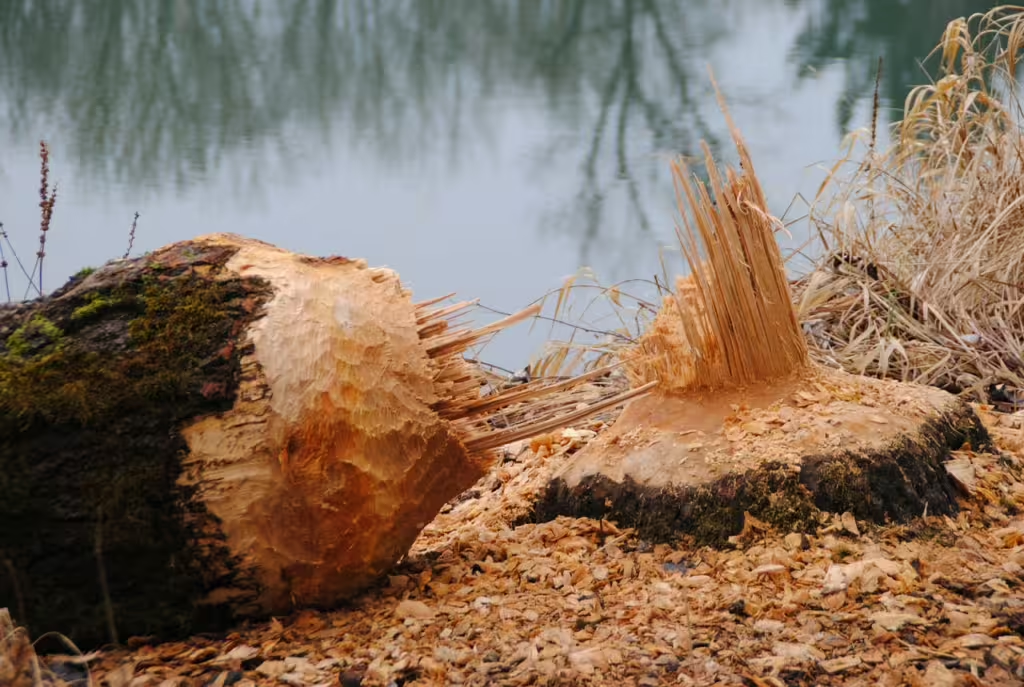
In the beginning, human beings were understandably baffled by the reasons behind why beavers built dams in the first place. It must have been quite a sight in those days, to see a large, semi-aquatic rodent cutting down trees and peeling branches with their powerful incisors, only to then arrange those fallen pieces of wood into barriers. It wasn’t just branches and logs, either, but mud, stones, leaves, and other vegetation.
Working mostly at night, the beavers wold choke off the flow of water in streams and rivers with their dams and human being were left to ponder the reasoning. As with so many things in nature, this instinct to build is driven by survival. By creating ponds out of rivers, beavers form for themselves a safe, stable environment where they can live and raise their young. They are making a home for themselves, just as humanity has always done.
Why Beavers Build Dams
At first glance, beaver dam seem like pretty simple structures. In reality, they are more complex in design than some modern office parks! The beaver ponds themselves are designed in deep water areas, where predators such as wolves and bears would be wary of trespassing. The beaver lodges themselves, that is, the dome-shaped burrows they make out of sticks and mud, are located in or near those ponds, with underwater entrances that only the beavers can access.
Beavers are vegetarians, feeding on aquatic plants, leaves, and as seems appropriate, tree bark. The pond allows them to access and store food safely, even in winter, because they are able to hide their stores where other animals cannot attempt to purloin them. They have even been known to hide branches underwater, saving them for a snowy day.
The dams also allow the beavers to control the water level of the pond, which helps create a consistent environment, thereby protecting the mammals from drought or flood conditions. In fact, there are studies that indicate beaver dams might even be resistant to climate change and help to mitigate its negative effects in small ways.
Turning Streams into Wetlands
The most significant impact of beaver activity is the fact that their dams effectively transform flowing streams into rich wetlands. Dams slow the flow of water, which then spreads out across the surrounding land, creating a series of ponds that expand over time. These new wetlands saturate the soil, create standing pools or slow-moving rivulets of water, and flood low-lying areas. And while this all might seem bad to some unlucky human neighbors, animals and plants thrive in such water-rich environments.
A Haven for Biodiversity
Beaver-created wetlands are among the most productive, biodiverse ecosystems on the planet. Fish, frogs, insects, and salamanders all do quite well in wetland ecosystems, as do waterfowl like ducks, herons, geese, and songbirds. Even fellow mammals like otters and muskrats are grateful for the work the beavers do. At the same time, wetlands support a diverse array of plants like grasses, reeds, shrubs, and floating plants like lilies.
Improving Water Quality
Humans also benefit from living near places where beavers have done their good works. You see, in addition to creating robust habitats for other forest critters, beaver dams also improve the water quality. Water slowed behind a damn gets filtered of all the sediments and pollutants via natural filtration system. Wetland plants absorb the discarded or excess nutrients and filter contaminants away, thereby enhancing water quality.
Reducing Flooding and Erosion
Beaver dams play an important role in managing the flow of water in that they can reduce the impact of sudden floods, spread water more evenly across the landscape, and in some cases, prevent soil erosion. During periods of heavy rainfall, the ponds and wetlands created by the damns can act as reservoirs, absorbing and storing excess water, releasing it slowly over time. This can help prevent flooding in downstream areas, even human-populated ones.
Challenges and Human Perspectives
Despite their frankly obvious ecological benefits, human beings will often see beavers as something of. a nuisance. Without meaning to, their dams have been known to flood roads and farms, block culverts or drainage systems, and affect human infrastructure. In the past, these incidents have been handled with excessive force, even extermination efforts. These days, we know better…for the most part. Many conservation efforts are now focused, at some level, on coexistence between human and beaver communities. Solutions such as flow devices and habitat management allow beavers to continue their ecological role while minimizing disruption.
True Investigator Says…
As you can see, beavers are more than skilled builders and loggers, these mammals are agents of ecological transformation; necessary to the proliferation of life within their home environments. The beavers’ creation of wetland ecosystems provide countless species with a chance to thrive. These ecosystems, in turn, support abutting human ecosystems, making beavers just as essential to our own survival. Through their quiet, persistent efforts, beavers show that even the smallest engineers can leave a lasting mark on the world around them.
Discover more from TrueInvestigator
Subscribe to get the latest posts sent to your email.