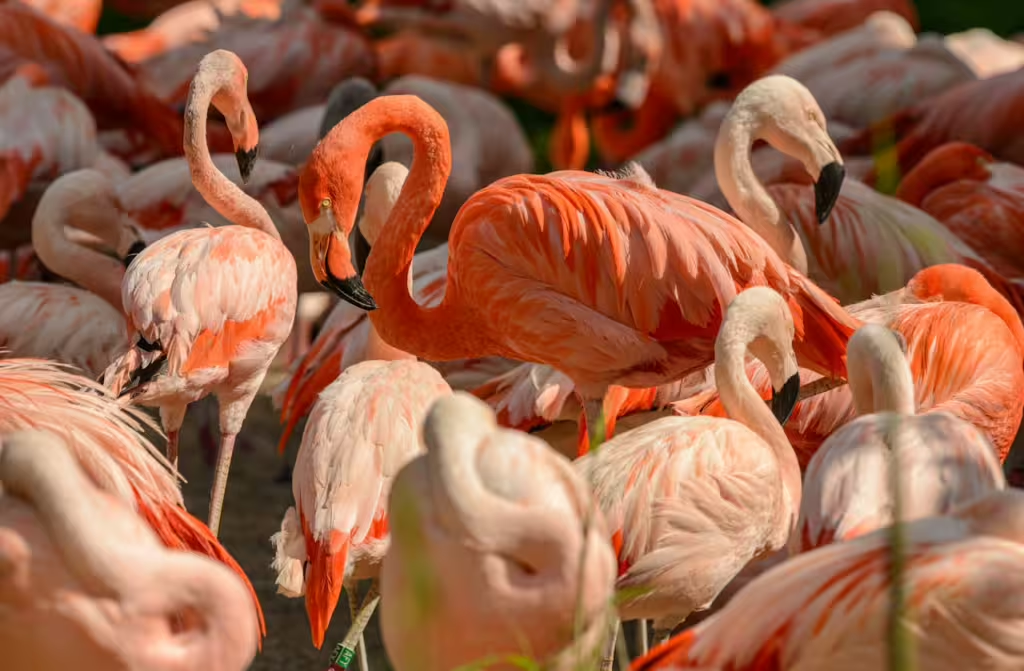

Imagine, if you will, that you’re standing in a savannah or near a wetland and you see a rosy hue streak across the horizon. At first glance, you might assume it’s just the edge of dawn rising, but a honking sound upon the wind may disavow you of that notion. No, what you’re seeing is not the pale, crimson rise of the sun, but a flock of brilliant flamingos coming into view.
Few sights in nature are as striking as that of a flock of flamingos making its way across the sky. Seeing hundreds, or even thousands of these birds take off in a flutter of pink, white, and black can be just as awe-inspiring. If these visions seem somewhat at odds with the awkward appearance flamingos usually affect whilst standing ankle-deep in a pool, don’t worry, you’re not the only one who things so. In fact, when we see flamingos loping around and fishing for shrimp, we often forget that these are not flightless birds.
In this article, we will remind our readers of this fact by studying why this visually stunning behavior is actually of supreme importance to every facet of their everyday lives. It is how these birds survive, communicate, and reproduce, and their continued presence is what helps their home ecosystems remain healthy.
Life in a Flamingo Colony
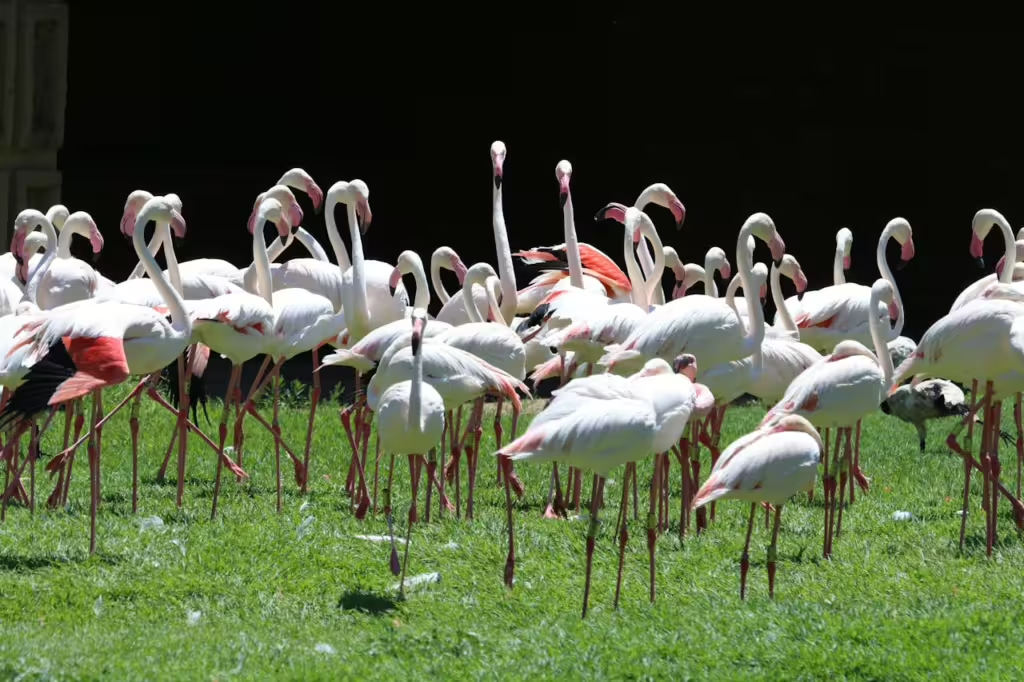
Flamingos are highly social birds. Many birds, especially waterfowl, live and migrate in large flocks. In the case of flamingos, they aren’t just living in flocks, but far larger gatherings called colonies. These colonies tend to include a few dozen individuals at a minimum, and upwards of tens of thousands when there’s space for them.
The preferred locales for these colonies are usually shallow lakes, alkaline wetlands, salt flats, and coastal lagoons. You’ve probably noticed a running theme throughout these habitats; salinity. Flamingos actually prefer areas where the water level fluctuates often and where the water itself is fairly salty. This is not just because of the food they eat (pink shrimp, for starters) but because they have sort of adapted to these unpredictable environments much better than other water birds; thereby giving them less competition within these habitats.
Safety in Numbers
One of the reasons flamingos live in large groups is because “safety in numbers” has always been a viable survival strategy for spindly birds like themselves. And ehile adult flamingos are pretty strong birds, comparatively, they are still vulnerable to threats like canines, large cats, and other birds of prey. You could also probably put human beings on their list of enemies as well, if only for the disruption our presence causes.
Living in large groups offers flamingos the benefit of increased vigilance. Meanwhile, the pink flock on the wing we discussed earlier? Well, that is also a way for the birds to confuse predators. It’s hard to focus in an attack on one when thousands of pink wingbeats are swirling in the skies around you. The sheer size and density of their colonies are a purposeful feature our their survival methods, not a coincidence.
And in truth, flocking is simply an extension of their social nature. Living in these colonies offers a great deal of protection to the young and old of the group. Nevertheless, anyone who has ever had more than one roommate at a time can tell you that communication is the key to harmony. And sure, flamingos rely on group behavior for survival and protection from predators, but this methodology only works if they know how to communicate properly.
Communication and Coordination
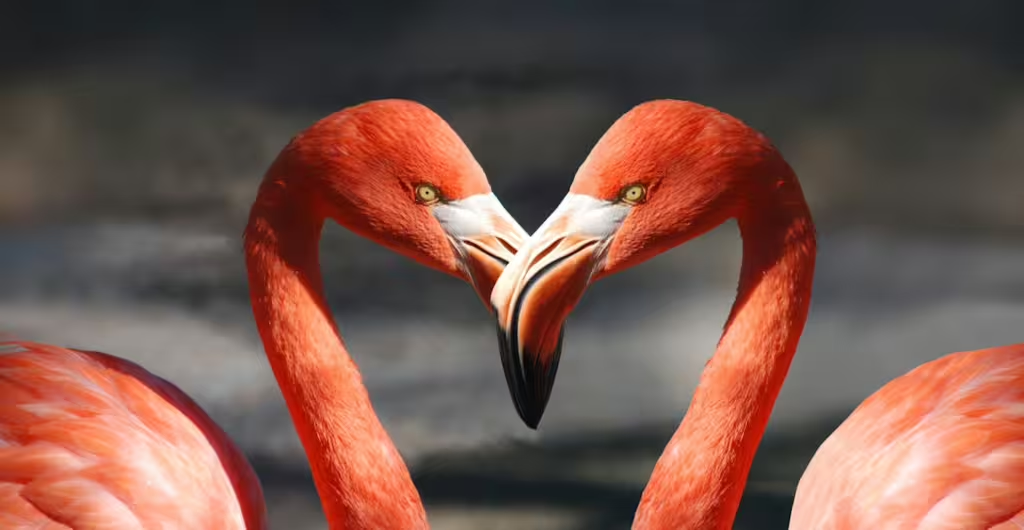
If you lived in a colony of thousands, chances are that you too would require constant communication in order to move and get things done. Flamingos, like many birds, use a combination of vocalizations and visual signals in order to “speak” with one another. This communication is especially helpful in keeping everyone coordinated during flight. Their loud, iconic honking calls help maintain contact between individuals, especially when visibility is reduced. Using these calls, the flock can change direction, avoid danger, and land or takeoff as a unit.
Energy Efficiency in Flight
Like many birds, flamingos do migrate when they need to find new feeding and breeding areas, and flying long distances requires significant amounts of energy. Believe it or not, traveling in groups can help flamingos to conserve that energy. You see, flamingos often fly in formations that have been configured to reduce air resistance.
By positioning themselves in a strategic shape, the bigger birds can take advantage of the air currents created by those in front of them, thereby allowing individual flamingos to use less energy during long flights. While it’s true that flamingos don’t fly in the classic “V” formation of other migrational wetland birds like geese, they still manage to take aerodynamic advantage of their group formations.
Finding Food Together
Flamingos main diet consists of algae, small crustaceans, and microscopic organisms found in shallow water. The pink shrimp and algae these birds eat contain carotenoids, the same coloration that can be found in carrots, and it what helps give them much of their iconic pinkish hue. As much as one might think these simple foods to be abundant, the truth is, such food sources can be patchy and unpredictable, which is part of why flamingos are always on the move together.
Flying in large flocks helps flamingos locate feeding grounds more effectively. When one group discovers a productive area, others tend to follow. This shared knowledge increases the chances that every member of the colony has enough food.
Challenges Facing Flamingo Populations
Despite their adaptability and their talent for avoiding trouble, flamingos still manage to find it…or rather, we found them. Like so many animals and plants in our world, these rosette waterfowl face growing challenges due to human activity. Habitat loss, pollution, destruction of their wetlands, changing weather and water levels due to climate change, and even the tourism industry all affect flamingos in challenging ways.
Remember how we touched on the specific types of environments flamingos frequent? Well, coastal waters are among the most affected by human industrialization, and even the smallest alterations to the way things work in those areas can have significant impact on the availability of food and space. As with so many threatened wetland species, it is essential that we take up arms against our own greed and protect our coastal areas and marshes.
True Investigator Says…
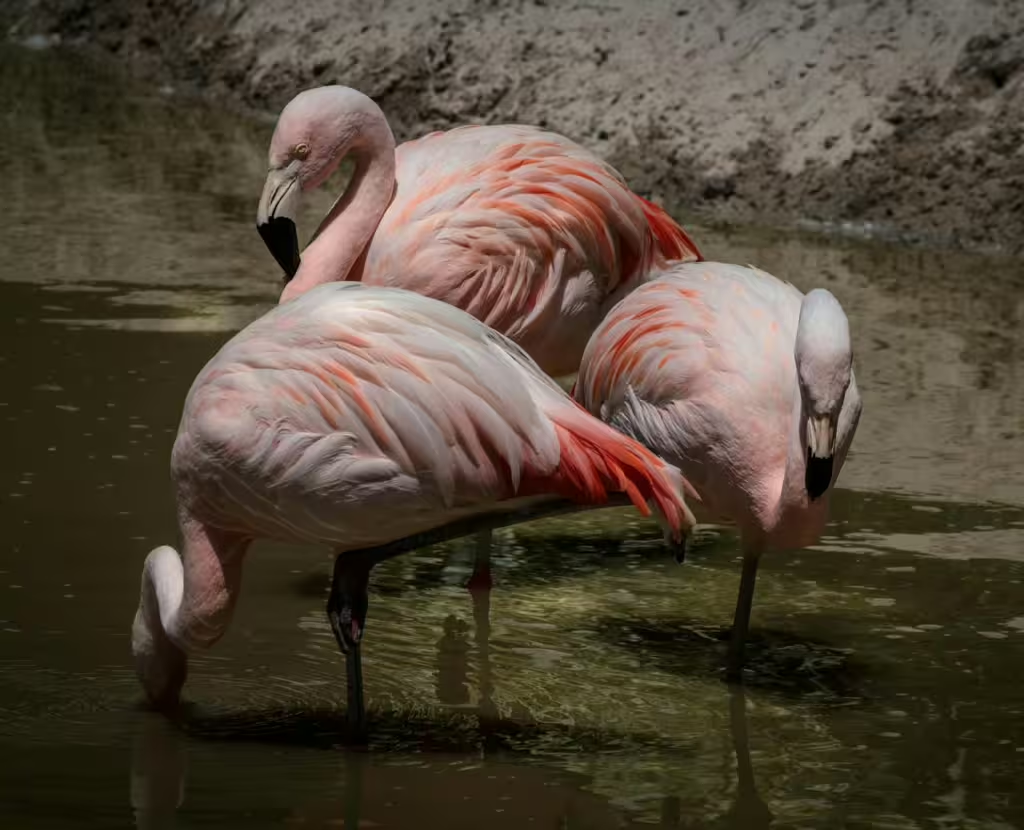
As you can see, there are many reasons why flamingos live in such massive numbers. These flocks provide safety, access to food, efficiency in flight, communication, and are necessary for reproduction. Their group behavior allows them to thrive in challenging, often threatened environments. And in a world where being endangered has become the norm for so many iconic species, flamingos continue to thrive. Yes, despite the dangers they face from humanity and the world at large, their eon’s old strategy of safety in numbers continues to work like a charm.
Discover more from TrueInvestigator
Subscribe to get the latest posts sent to your email.