
Over the centuries, many a’ scallywag has found their way on the sea. We’re not just talking about Pirates of the Caribbean here, either. Human beings have been marauding, plundering, and pillaging vessels a’ plenty for the better part of the past two thousand years, but before that, the most fearsome fiends ever to sail the seven seas were of a much more avian nature.
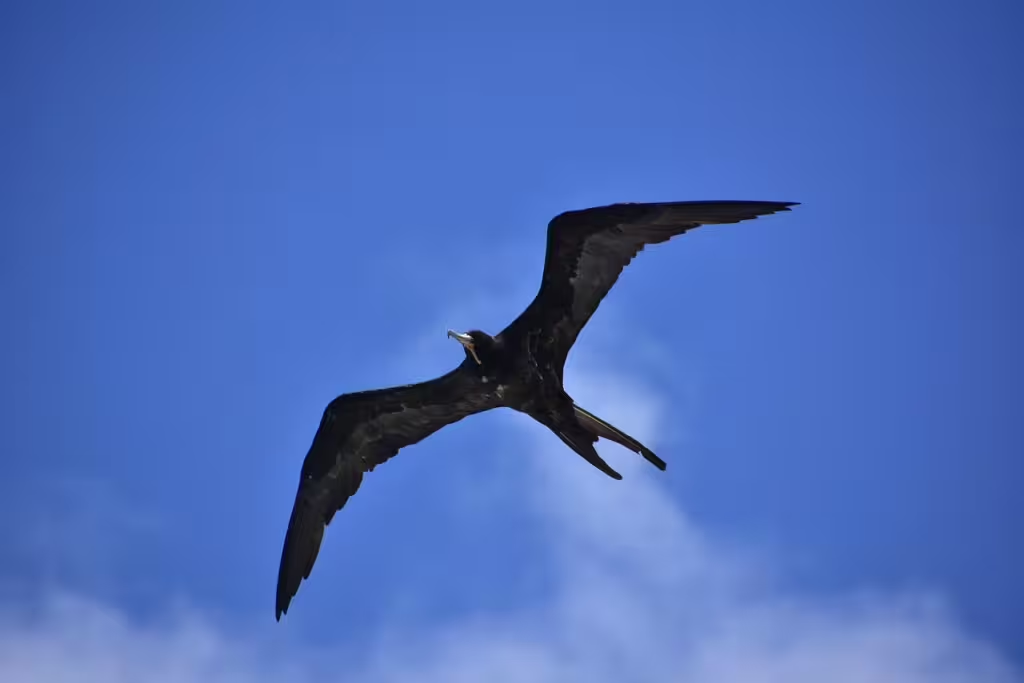
These red-bearded brigands glide effortlessly on dark wings. They use air currents to soar across great stretches of ocean, soaring on long, angular wings. Possessed of remarkable agility, an animalistic determination, and a penchant for airborne thievery, it’s no wonder these notable birds have earned themselves the nickname “pirates of the sky.”
In this article, we will talk about why the frigate bird has earned that ignoble moniker. We will discuss their rude behavior, remarkable skills, and why they are so unique amongst other seafaring fowl. So get ready to make way, ya lubbers, it’s near time we shove off!
Masters of Flight
Frigatebirds belong to the genus Fregata. This unique group of seabirds can be found across tropical and subtropical oceans around the world. There are five recognized species, among them, the magnificent frigatebird and the great frigatebird.
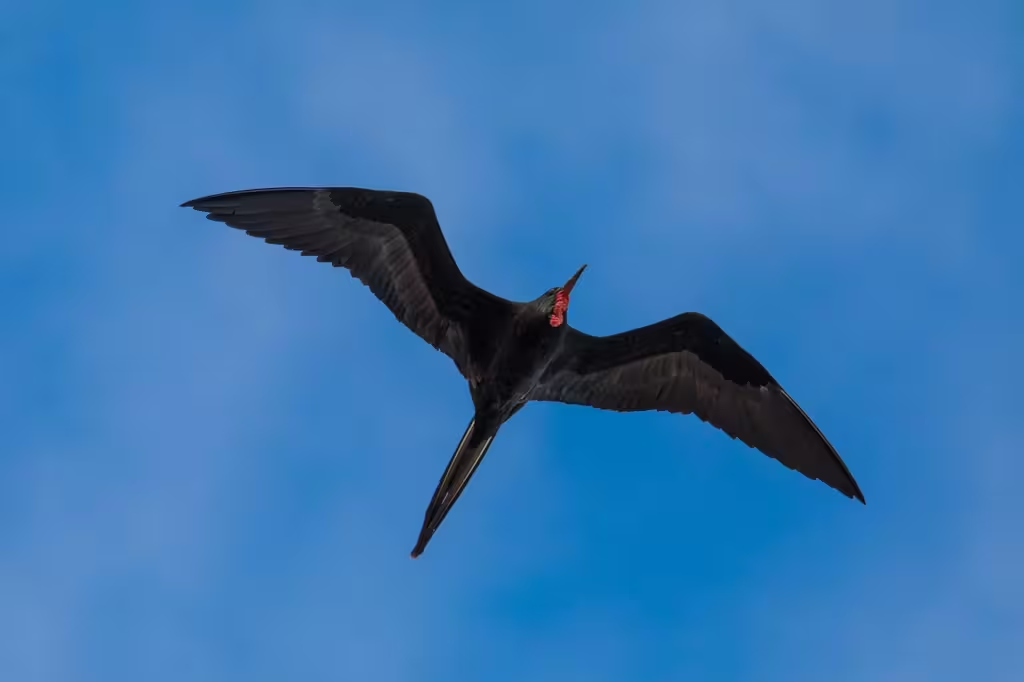
Like the albatross, frigatebirds have some of the largest wingspans relative to body weight of any bird. The largest specimens measure more than seven feet across. This, coupled with their lightweight bodies, is what allows them to soar for long periods while expending minimal energy. Like many seafaring birds, frigatebirds rely on thermals and ocean breezes to stay aloft for hours and in some cases, even days.
As a matter of fact, frigatebirds spend most of their lives in the air. They have been known to travel hundreds of miles across open ocean without landing. This extended airtime (pun obviously intended) is why they have developed such a unique means of pilfering er…procuring food.
Why They’re Called “Pirates”
Frigatebirds are thieves; pure and simple. We can dress up the term as fancy as we like and call them pirates if we like, but the fact is, these birds steal food from other animals. This behavior is known as kleptoparasitism and it refers to the frigate’s preference for stealing food from others as opposed to just catching it themselves.
Frigatebirds aren’t picky about their piracy, either. Their preferred targets are almost always other seabirds, however. The fish caught by boobies, terns, gulls, and tropicbirds are all “up for grabs,” as it were. Frigatebirds aren’t shy about their piracy, either. They will watch until another bird catches a fish and once that happens, they will aggressively swoop down and chase the bird until the victim has no choice but to drop their catch and escape.
You might think, if this persistent harassment happens entirely in the air, how does the frigatebird catch the fish before it falls? The answer? Speed and skill. Frigatebirds are as adept at diving and dive-bombing as they are at soaring across the open sea. They can usually catch the discarded prey before it even reaches the water. And frankly, they kind of have to…
Why Frigatebirds Don’t Dive
You see, while many seabirds hunt by plunging into the ocean to catch fish, frigatebirds are unable to do so. This is because the lack the same waterproof feathers as other seabirds. They also have pretty small legs, which makes them kind of awful at swimming. If they dive and they become waterlogged, they’ll never take off again.
These physical limitations are what helped them evolve such felonious feeding strategies. Piracy might be mean, but since time immemorial, people have resorted to it simply because they lacked other options; the frigatebird is no different. They also have excellent eyesight, which enables them to see potential prey or their “marks” from very far away.
Life Above Tropical Oceans
Frigatebirds are tropical animals and each of the five species in the family inhabit warm ocean regions. They are commonly found over tropical seas in the Pacific Islands, Indian Ocean, the Caribbean (appropriately), and along the Central and South American coast. Their thermal flight also means they cannot really travel into colder waters. Warm air rises and staying in warm regions means they can stay alight for longer periods.
The Famous Red Throat Pouch
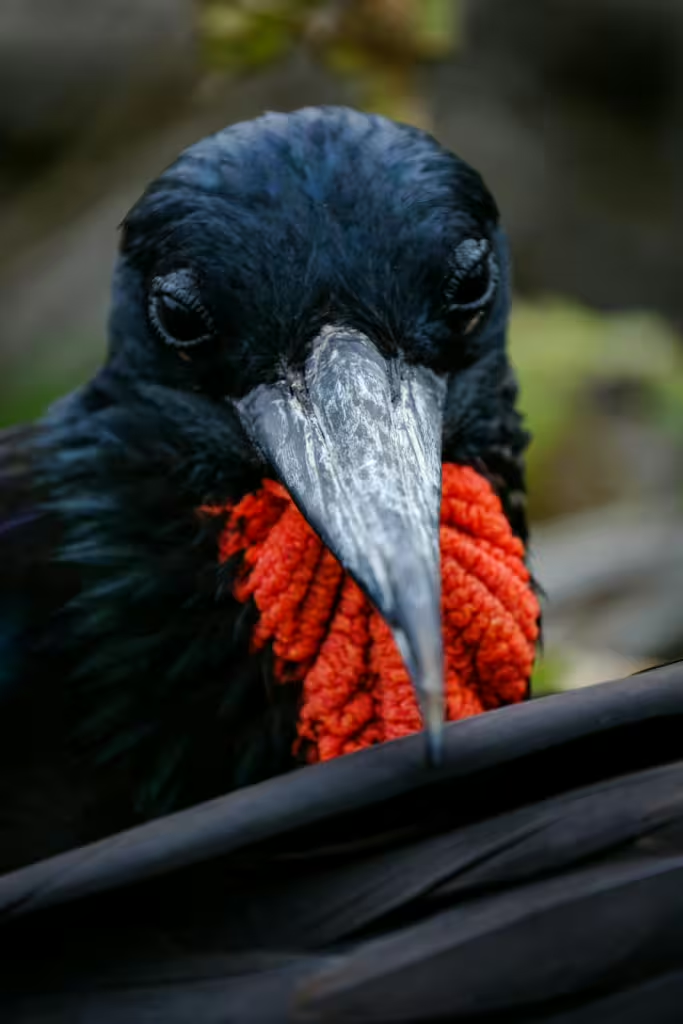
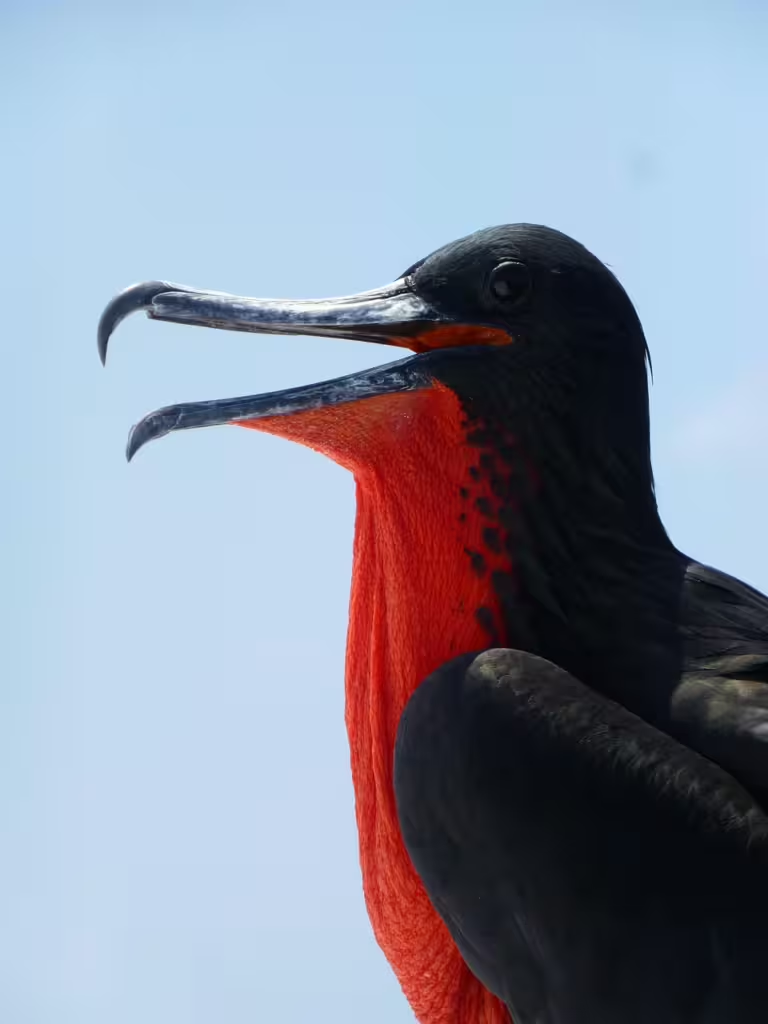
Like many famous pirates, male frigatebirds tend to “dress the part,” or at least quite ostentatiously. The male of the species is most recognized by the inflatable, bright red gular pouch on its throat. During mating season, the male expands this pouch like a red balloon, all while sitting on a branch or rock with its wings partially spread. At the same time, it will vibrating its wings while calling loudly to attract any females flying overhead. If they like what they see, the females will fly down and attend, mating with whatever male caught their fancy.
Ecological Role in the Ocean
Frigatebirds might be bloody pirates, but they also play an important role in marine ecosystems. By feeding on fish and squid, even those stolen from the mouths of other seabirds, they help regulate marine populations. Scientists also rely on the presence of frigatebirds in order to determine if a marine environment is healthy. So long as the frigate’s are thriving, it is usually a good indication that the local fish population is also strong.
Threats to Frigatebirds
Like all seabirds, frigatebirds face a number of ecological challenges thanks to the presence of human beings. Plastic ocean pollution, climate change, habitat disruption, and overfishing have all affected the frigatebirds in some way. Nevertheless, there are conservation efforts in place that are working to protect their nesting habitats by protecting them and reducing any excess pollution in marine environments.
True Investigator Says…
As you can see, frigatebirds might be unflappable pirates but they are also consummate sailors. Sure, they rarely take the chance to touch the water at all, yet regardless of this fact, the sea remains their one true home. The frigate’s incredible aerial agility, enormous wingspans, and daring food-stealing tactics, render them one of the most fascinating seabirds on the planet.
Discover more from TrueInvestigator
Subscribe to get the latest posts sent to your email.