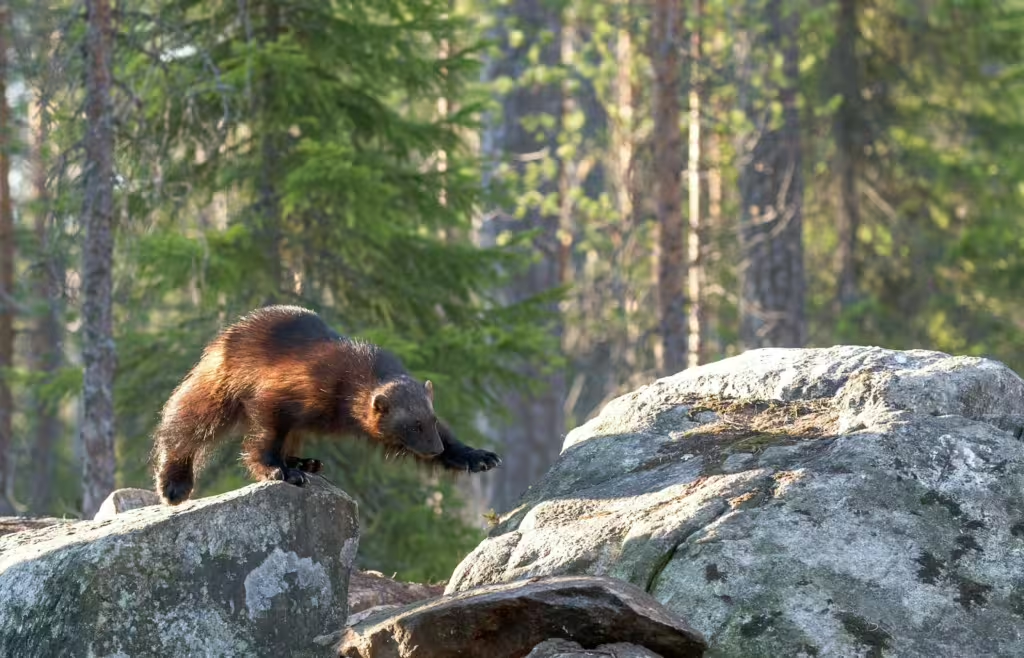

In the X-Men comic books, they say that the superhero/anti-hero Wolverine is “the best there is at what he does…and what he does isn’t very nice.” Those of you who are familiar with the character will know why this is true and we needn’t discuss it in detail here, but what you may not know is that he is as apty-named as any character in fiction. You see, his namesake, the real-world wolverine, is quite frankly, a real “sunofa B” in the animal kingdom.
There are reasons for the tough-as-nails demeanor of the wolverine. It lives in the frozen expanses of the Arctic tundra and boreal forests, places where survival is not simply a challenge — it is a daily test of endurance. In these harsh areas, temperatures plunge far below zero and food is as scarce as it is scattered. Despite this, the fierce, fearless, resilient wolverine has found ways to survive and thrive in a place where many animals cannot.
Roughly the size of a medium dog, the wolverine has garnered a stellar reputation as a fearsome predator; much like hie Marvel counterpart. This animal’s combination of physical adaptations, behavioral strategies, and ecological flexibility need to be seen to be believed and that is why we have chosen to discuss it today!
Built for the Cold
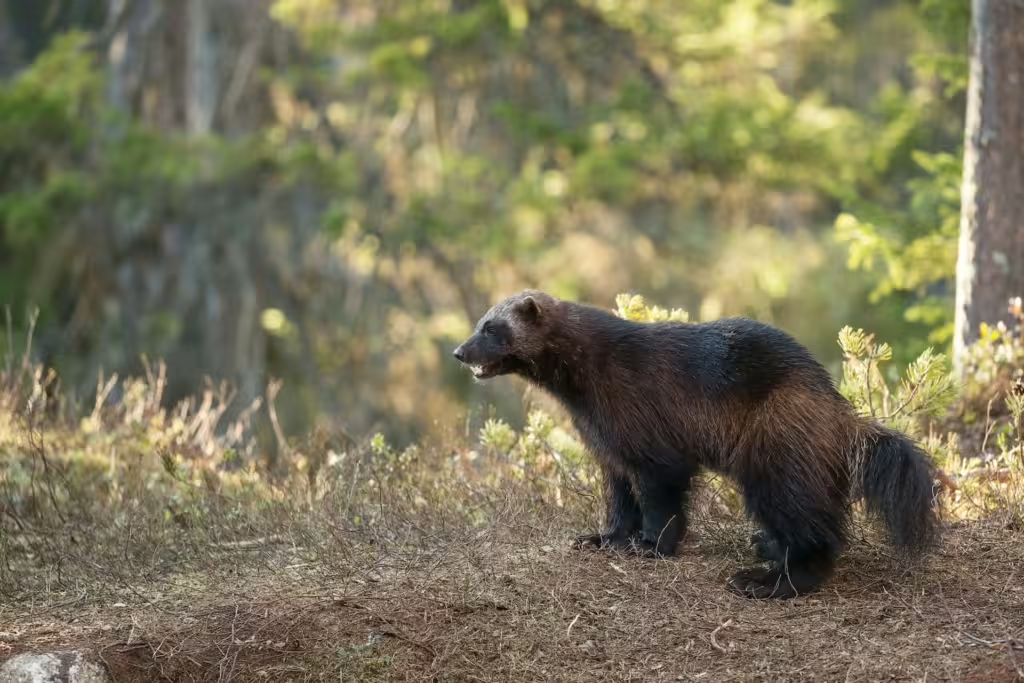
Let’s face it, when you think of the Arctic regions of the world, you think about the cold. These regions are defined by long, dark winters, food scarcity, and deep snow cover. Fortunately, wolverines are uniquely adapted to withstand these conditions. They have thick fur which resists frost buildup, even in the most extreme conditions. This fur also provides them with exceptional insulation, bolstered by a layer of body fat which can also serve as an energy reserve in particularly hungry situations.
The compact body shape of the small and mighty wolverine is also a way to reduce heat loss. Short ears and a stocky build minimize the amount of surface area that gets exposed to the cold. This helps the animal to retain warmth in freezing conditions and the stored energy can mean the difference between starvation and survival.
Masters of Snow Travel
Deep snow might be tough for many animals to trudge through, humans included, but wolverines basically have built-in snowshoes. The large, wide paws of these low-to-the-ground animals can slow down many Arctic animals. Wolverines, however, use it to their advantage.
Their large, wide paws are designed to distribute the animal’s weight across soft snow, thereby allowing them to travel efficiently and fairly silently across the tundra. Other animals might sink, especially larger, heavier predators, but the wolverine can traverse where they cannot, hunting food sources that are otherwise unreachable by the tundra titans.
Snow also provides security for the female of the species. Mother wolverines dig dens deep within snowbanks, creating insulated chambers where they give birth during late winter and where they can protect their progeny from both predators and the bitter cold.
Opportunistic and Resourceful Feeders
When it comes to food, arctic ecosystems are unpredictable to say the least. Even when it comes to scavenging, carcasses may be separated by vast distances, making them somewhat harder to locate for even the most opportunistic of predators. Meanwhile. prey populations fluctuate seasonally, as do birthrates.
Wolverines have adapted well because they are opportunistic omnivores. Their diet includes everything from birds and their eggs, to small mammals, large herd animals, and even carrion. Their powerful jaws allow them to crush even the most frozen of bones, enabling them to extract marrow and nutrients from sources other animals simply ignore. They can also cache food for long periods, storing surplus meat in cold soil to preserve it. In the freezing arctic, those frozen dinners can remain hidden and edible for weeks or even months during times of hardship.
Vast Territories and Endurance
Wolverines roam enormous territories. Sometimes, a single individual may cover hundreds of square miles, traveling dozens of miles in a single day. This vast range an wandering behavior are some of the ways that they can find scattered food sources, whereas other animals tend to stay close to home. They also possess remarkable endurance in this regard, allowing them to move steadily over snowy landscapes, across mountains, and through frozen rivers for hours at a time.
Fearless Defense and Territorial Behavior
Despite their relatively small size compared to wolves or bears, wolverines are known for their tenacious natures. They are aggressive to defend their found carrion, their food caches, and their young. They do this with bone-crunching jaws, sharp claws, and muscular limbs. Indeed, their ferocious temperament is often enough to discourage competitors from even attempting a skirmish.
Many predators would choose to find food elsewhere or go hungry for a time rather than risk a fight with a wolverine. It isn’t just other species that wolverine’s are anxious to fight, it’s also each other! As a result, they tend to avoid one another except during mating season, thereby minimizes unnecessary competition.
Challenges in a Changing Climate
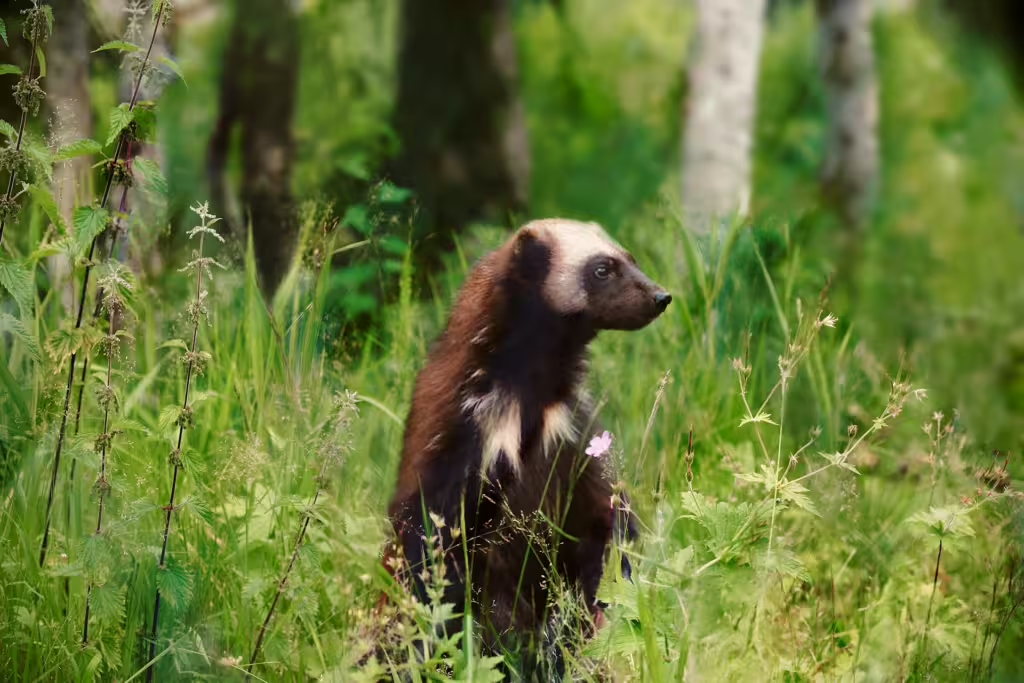
Although wolverines are well adapted to harsh Arctic conditions, climate change has presented new challenges; as it has with so many of the world’s animals. Sadly, rising global temperatures have vastly reduced snow cover. The depth and cover of the snow has been so reduced that many wolverines find themselves with less snow for denning and food storage. This puts their young and their food caches at risk. It also increases predatory competition in their arctic homes, which can lead to deadly skirmishes between wolverines and other predatory animals.
Habitat fragmentation from development is also a problem for wolverines, as is resource extraction. Like most things, the blame for all of these issues can be placed at the feet of human beings. As resilient and fearsome as they are, even wolverines are not immune to either the shifting patterns of the climate itself or human greed.
True Investigator Says…
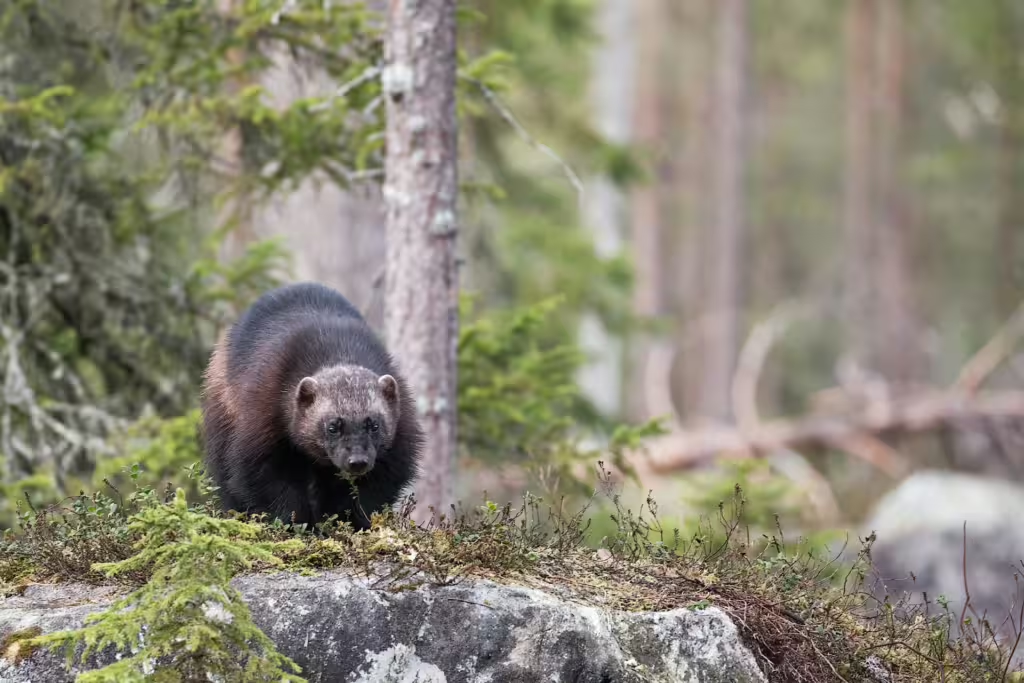
As you can see, the real world wolverine is the best there is at what it does…and what it does is survive! Thanks to their amazing adaptations and tenacity, they have found a way to thrive in a world of larger predators, difficult terrain, harsh weather, and clever prey. They are tuned to this biome in a way that few other animals are and that is truly impressive. It isn’t just their biology either, but their behavior that allows them to fin success even in an ever-changing world.
So if you ever find yourself wandering in the icy silence of the Arctic tundra, keep a wary eye out for wandering wolverines. They may be solitary but they are dangerous masters of their territory and are indeed not an animal that you’d ever want to tussle with.
Discover more from TrueInvestigator
Subscribe to get the latest posts sent to your email.